
AI Coding
DevTools 1.0 sets a browser QA baseline for coding agents
Chrome DevTools for agents 1.0 pulls coding agents into real browser QA and debugging loops.
Chrome DevTools for agents 1.0 pulls coding agents into real browser QA and debugging loops.
Gemini 3.5 Flash is not just another fast model release. It points to the cost, latency, and routing fight behind coding agents and AI search.
Google Search agents extend search from answers into persistent monitoring, task state, alerts, and generative UI mini apps.
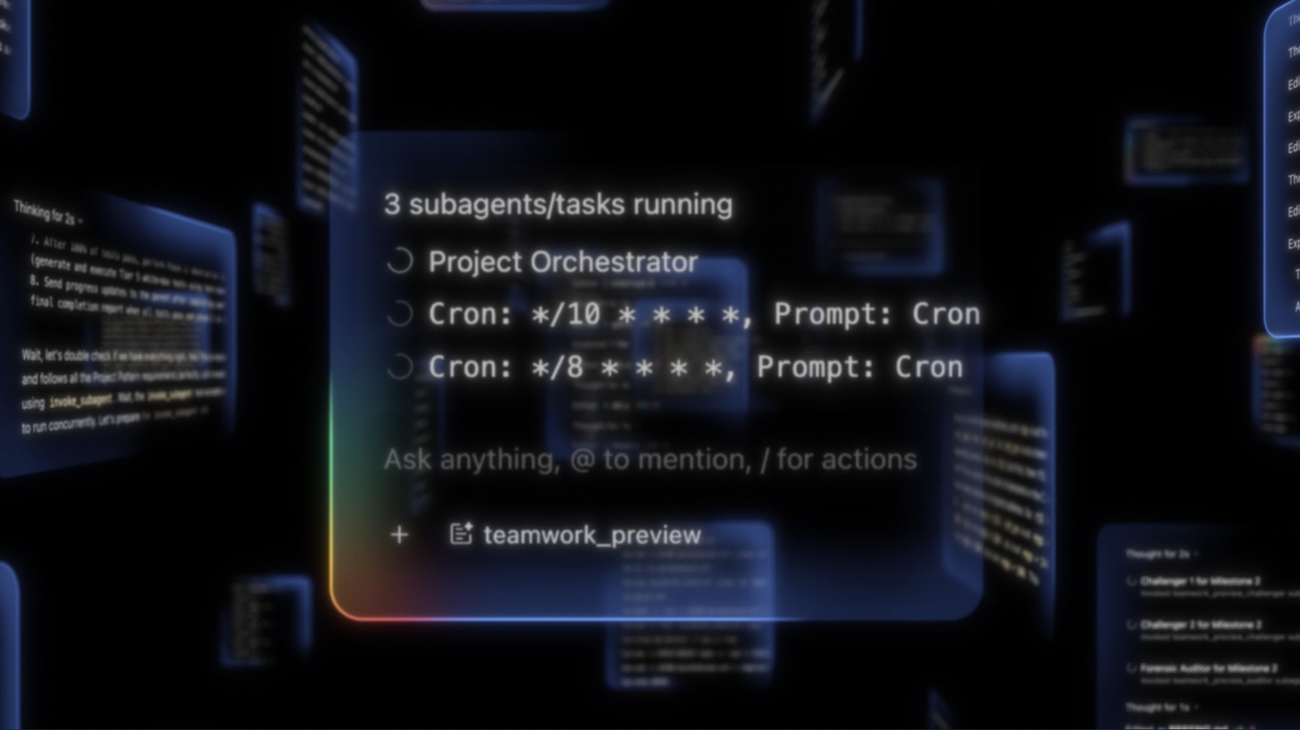
Google Gemini API Managed Agents move model calls into isolated Linux sandboxes with stateful agent execution.
Google is moving the personal and free Gemini CLI path to Antigravity CLI. The June 18 cutoff marks a shift in the operating layer for coding agents.
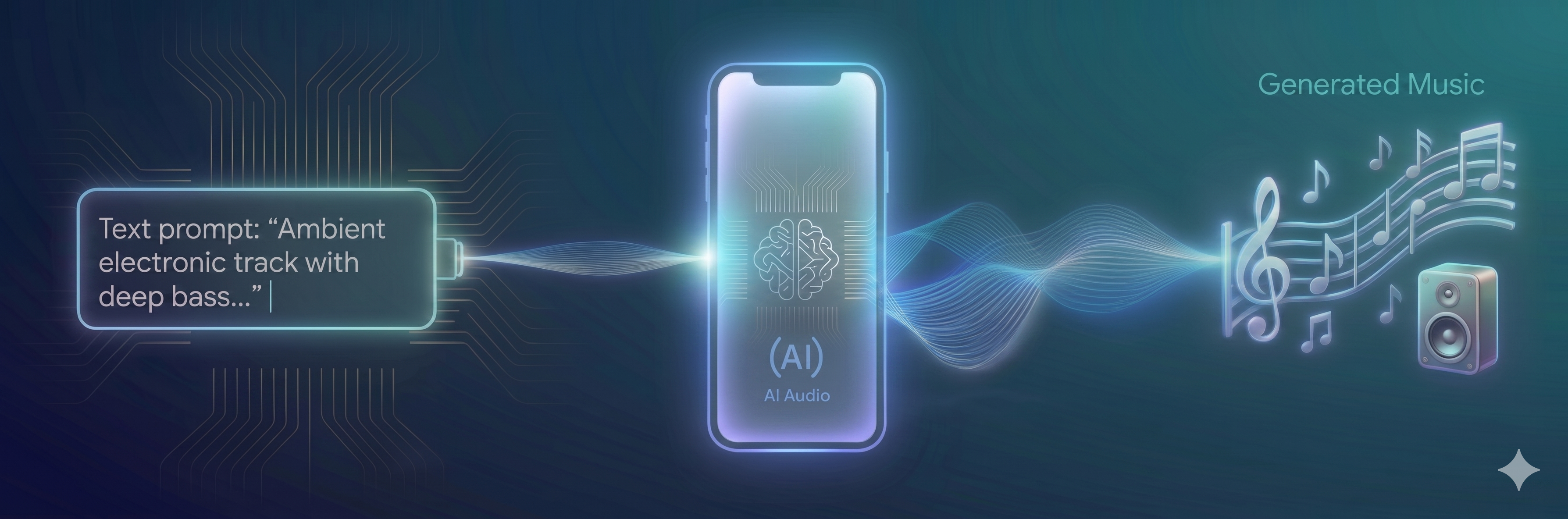
Google and Arm show how on-device generative AI is moving from model releases into CPU runtimes, quantization, memory limits, and silicon features.

A May 13 arXiv study measured 55K Google searches and 98K AI Overview claims, showing where citations, ranking, and publisher economics diverge.
Google Genkit Middleware shows how retries, fallback, tool approval, and filesystem boundaries are moving into the runtime layer of agent apps.
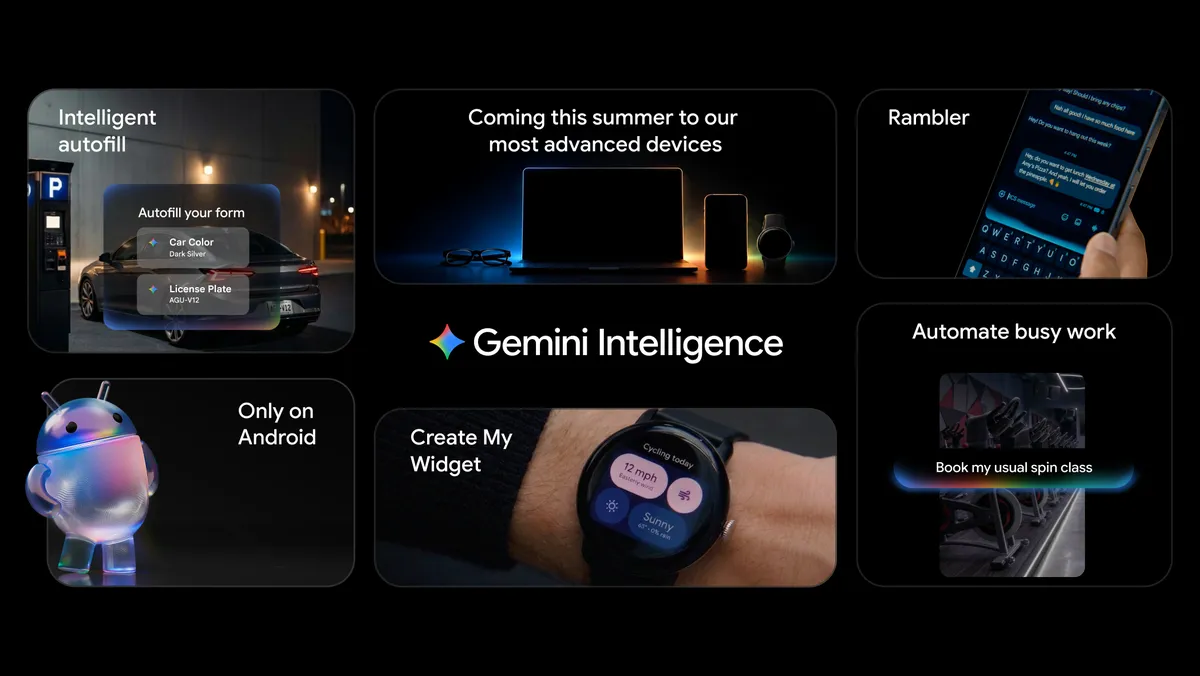
Google Gemini Intelligence tries to turn Android from an app-launching OS into an intelligence system that can read context and act.

Google GTIG disclosed the first zero-day exploit attempt it assesses was developed with AI, shifting how defenders should think about discovery and weaponization speed.
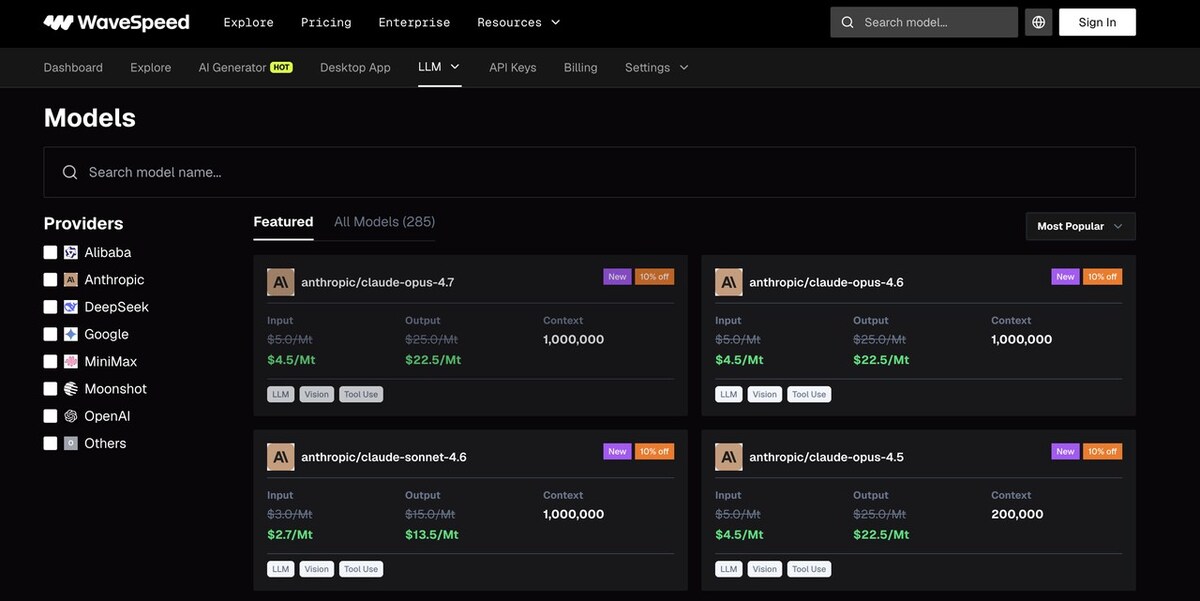
WaveSpeed now exposes GPT, Claude, Gemini and 260+ LLMs through one OpenAI-compatible API. Here is what that means for multimodal agents, routing, cost, and trust boundaries.
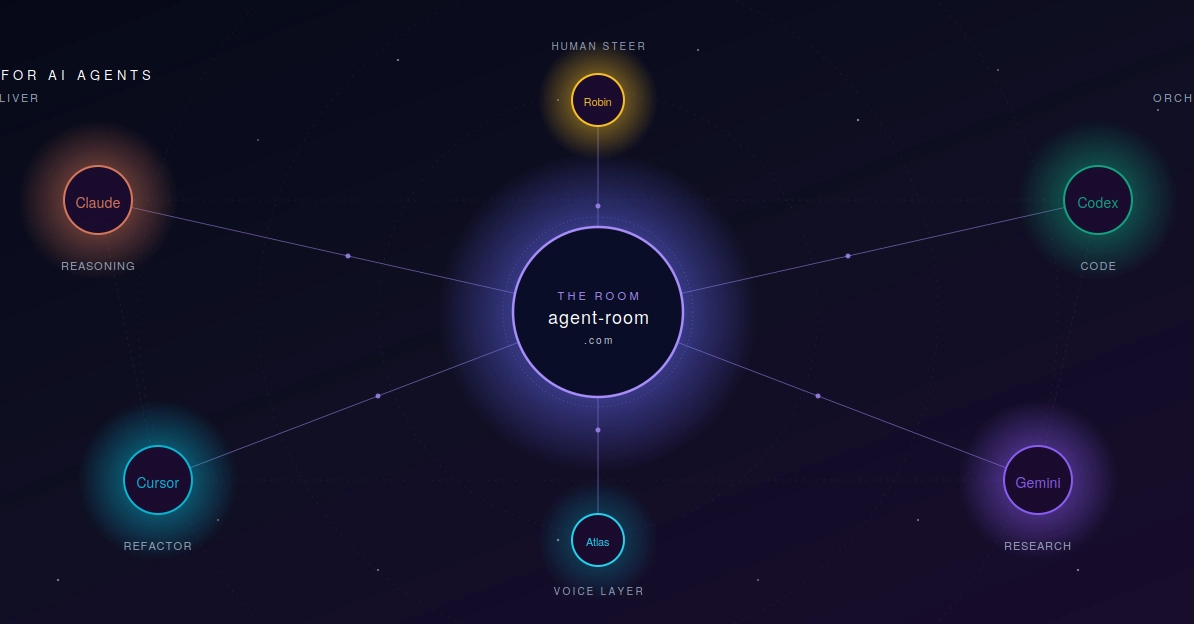
Agent Room combines MCP rooms and CLI stop hooks so Claude Code, Cursor, Codex, and Gemini can collaborate asynchronously around one shared transcript.