AI Agents
Android Skills teach agents the rules of app development
Android Studio I/O Edition brings Agent Skills and Android CLI into the mobile workflow, turning Android development into an agent-readable knowledge layer.
Android Studio I/O Edition brings Agent Skills and Android CLI into the mobile workflow, turning Android development into an agent-readable knowledge layer.
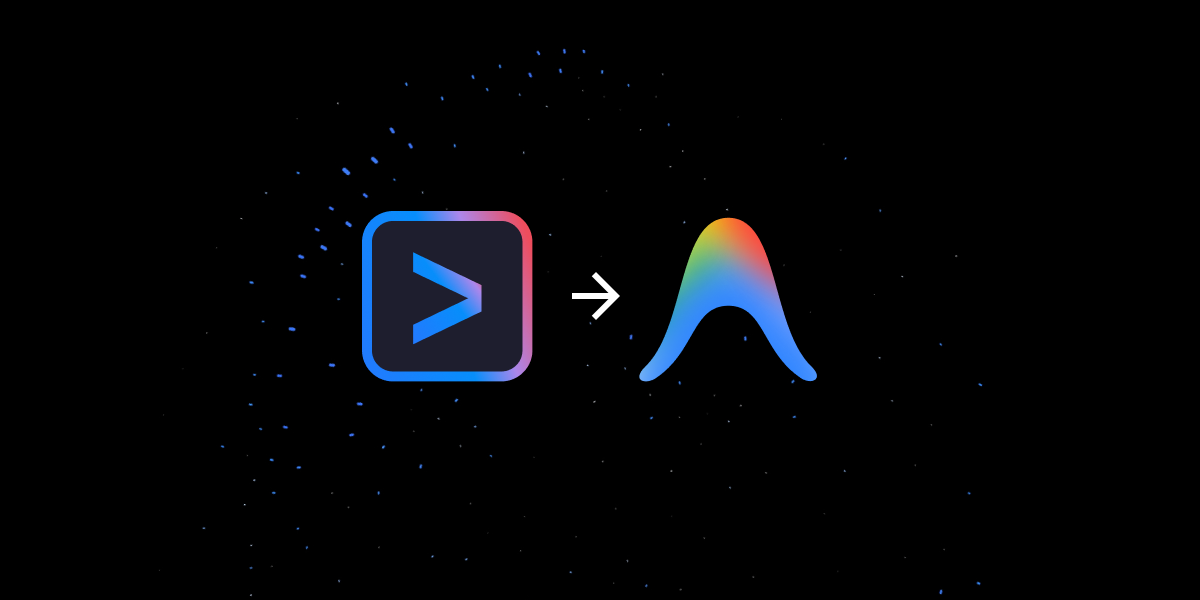
Google is moving individual Gemini CLI users to Antigravity CLI. A 100K-star open source agent is being absorbed into a broader platform.
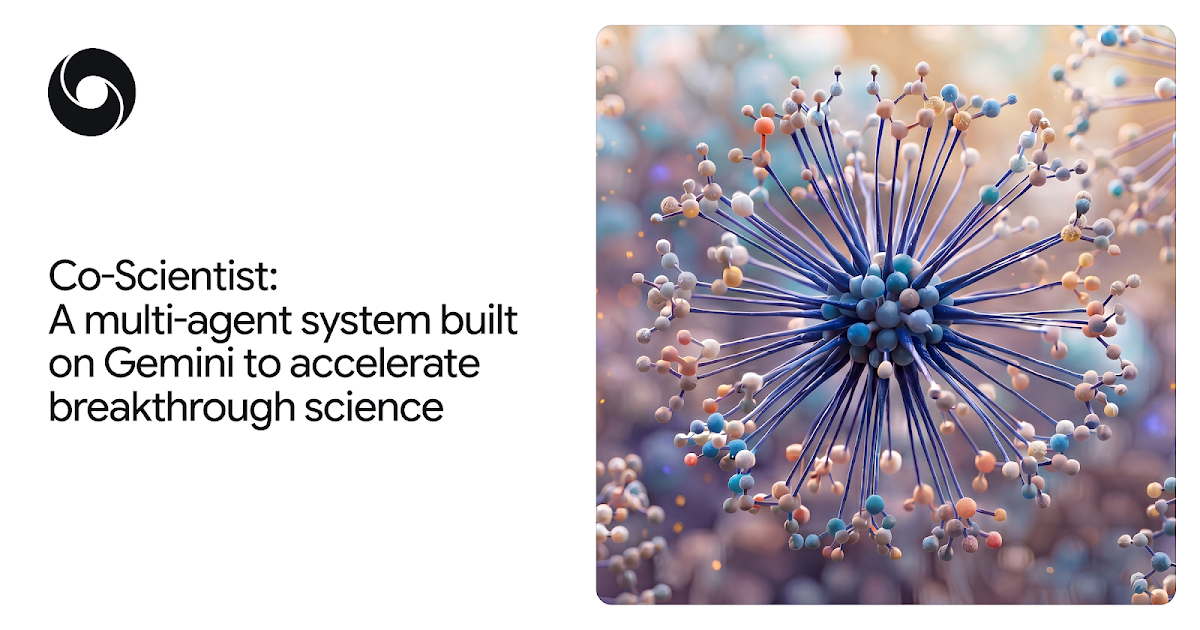
Google Co-Scientist and Gemini for Science shift AI research tools from answer generation toward hypothesis loops that humans can test.
Gemini 3.5 Flash is no longer just a fast chatbot model. It reframes Flash as an agent execution engine and changes how developers calculate cost.
OpenAI and Google are turning C2PA, SynthID, and verification tools from image-generator features into web-scale trust infrastructure.
Google Antigravity 2.0 connects the IDE, CLI, SDK, Gemini API managed agents, and Android app generation into one agent operating surface.

Chrome DevTools for agents 1.0 moves coding-agent competition from code generation toward browser runtime validation, debugging, and safety.
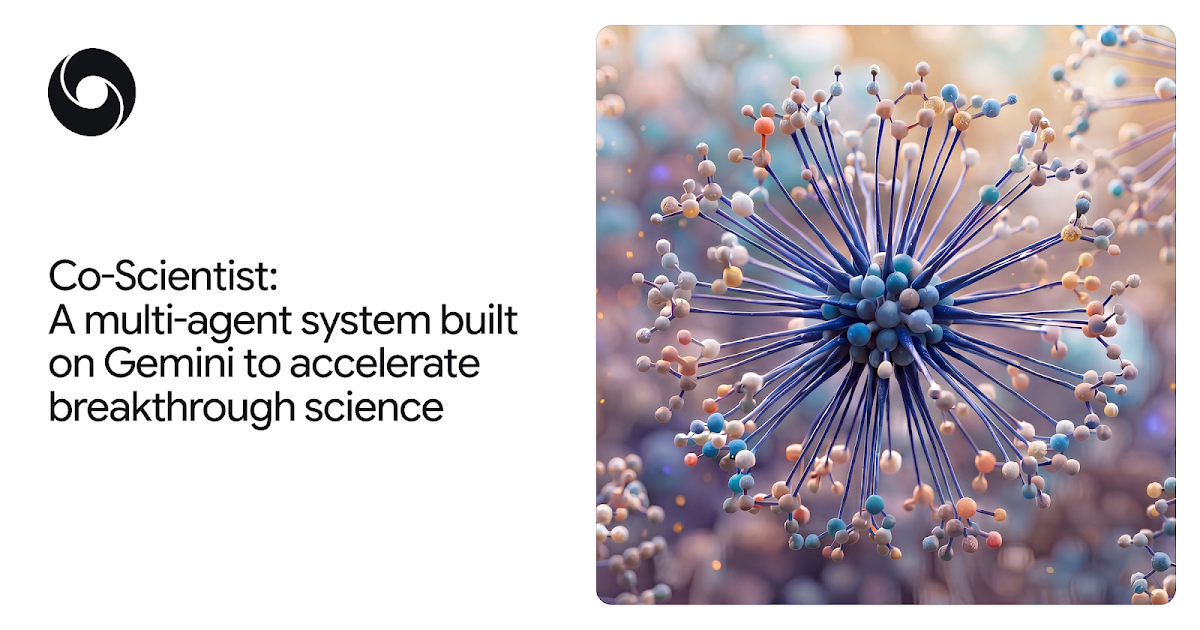
Google DeepMind Co-Scientist turns hypothesis generation and review into a multi-agent tournament for research automation.
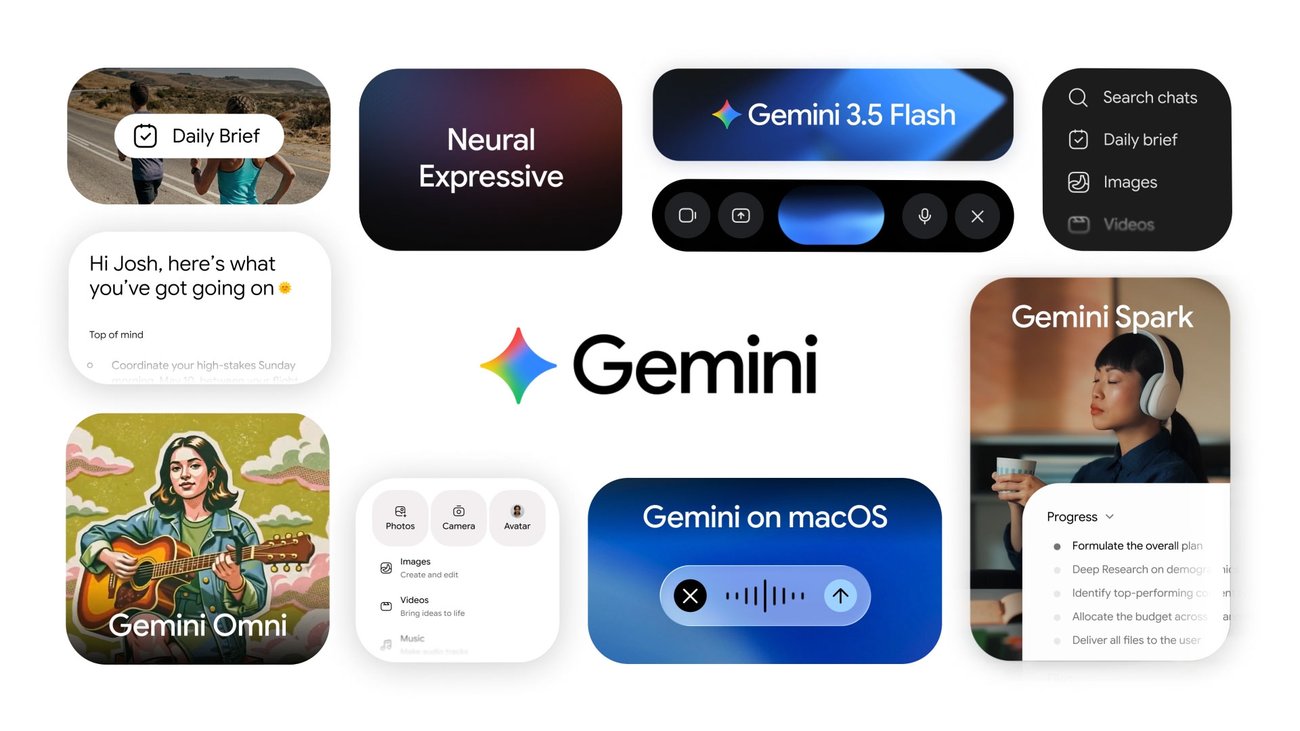
Gemini Spark turns Google apps into a 24/7 personal agent, making permissions, approvals, and auditability the real product test.
Google and Blackstone's TPU cloud joint venture signals that AI compute is being split from cloud features into capital-backed capacity products.
Google AI Studio now connects prompt-based Android app creation to Kotlin, an emulator, ADB, and Play internal testing.
Google Pics brings Nano Banana image generation into Workspace with object-level, text-level, and collaborative precision editing.