AI Coding
Google Pay MCP Brings Payment Integration Into IDE Agents
Google Pay and Wallet now expose an MCP server for docs, account status, pass validation, error metrics, and merchant integration workflows.
Google Pay and Wallet now expose an MCP server for docs, account status, pass validation, error metrics, and merchant integration workflows.
Workday and Google Cloud connected Sana to Gemini Enterprise. For HR and finance agents, approval chains, permissions, and data boundaries matter more than the model.
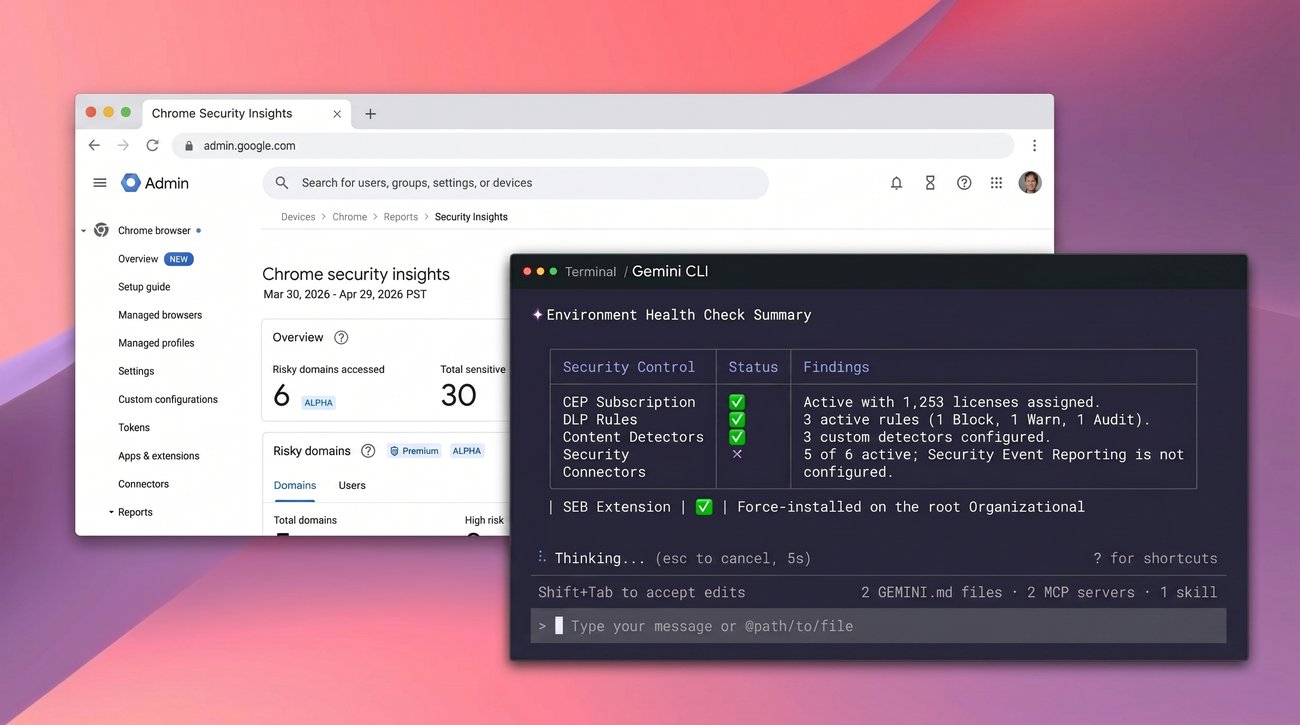
Google released a Chrome Enterprise Premium MCP server that exposes DLP rules, connector policy, browser telemetry, and activity logs to AI agents.

Google Antigravity teamwork-preview used 93 subagents, 15,314 model calls, and 2.6B+ tokens to build an OS demo. The useful signal is the cost model.

Google is extending Preferred Sources and Highly Cited labels into AI Overviews and AI Mode. Here is what it means for AI search, publishers, and RAG product design.
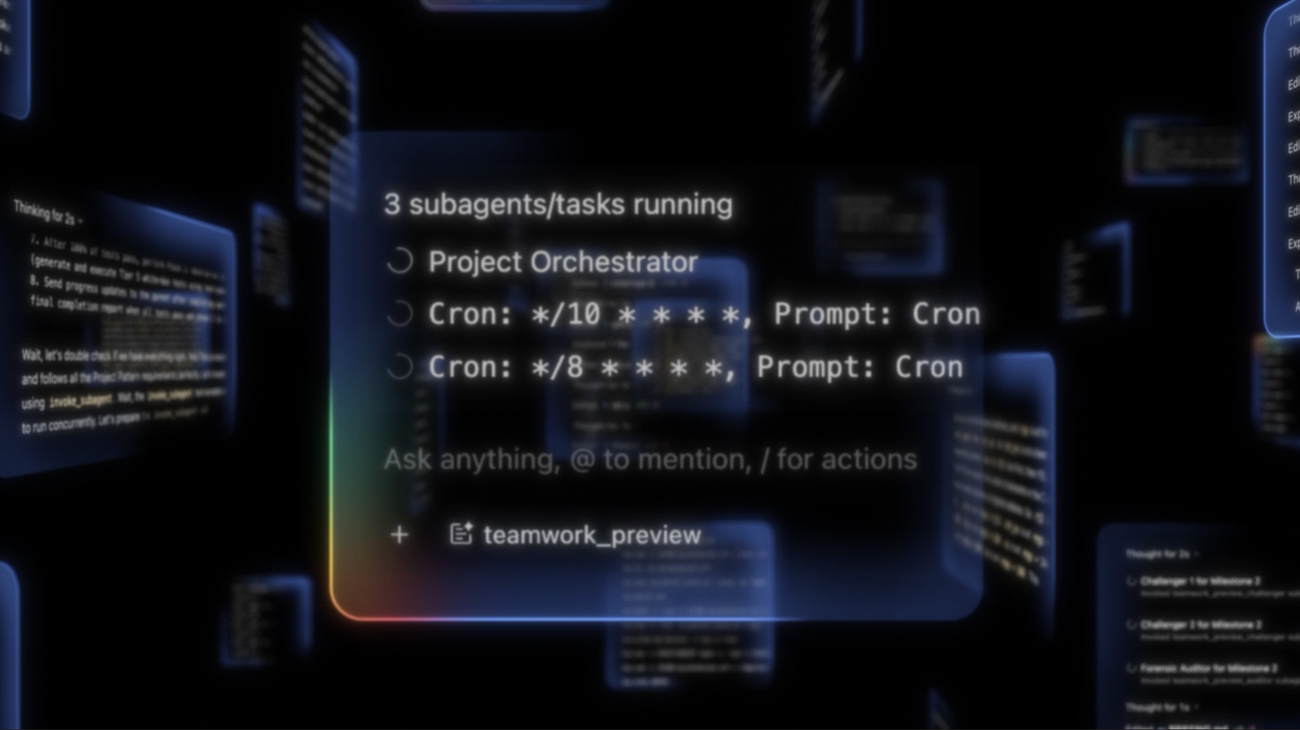
Google Managed Agents extends the Gemini API from model calls into sandboxed execution, shifting where agent infrastructure begins.
Google Tensor SDK Beta opens a LiteRT path to the Pixel 10 TPU, pairing 100+ models with the harder problem of shipping on-device AI.

Google DeepMind Running Guide agent shows that physical-world agents depend as much on latency, on-device safety, and validation as model quality.

Google DeepMind Co-Scientist reached Nature with a multi-agent design that shifts scientific AI from idea generation toward verification loops.
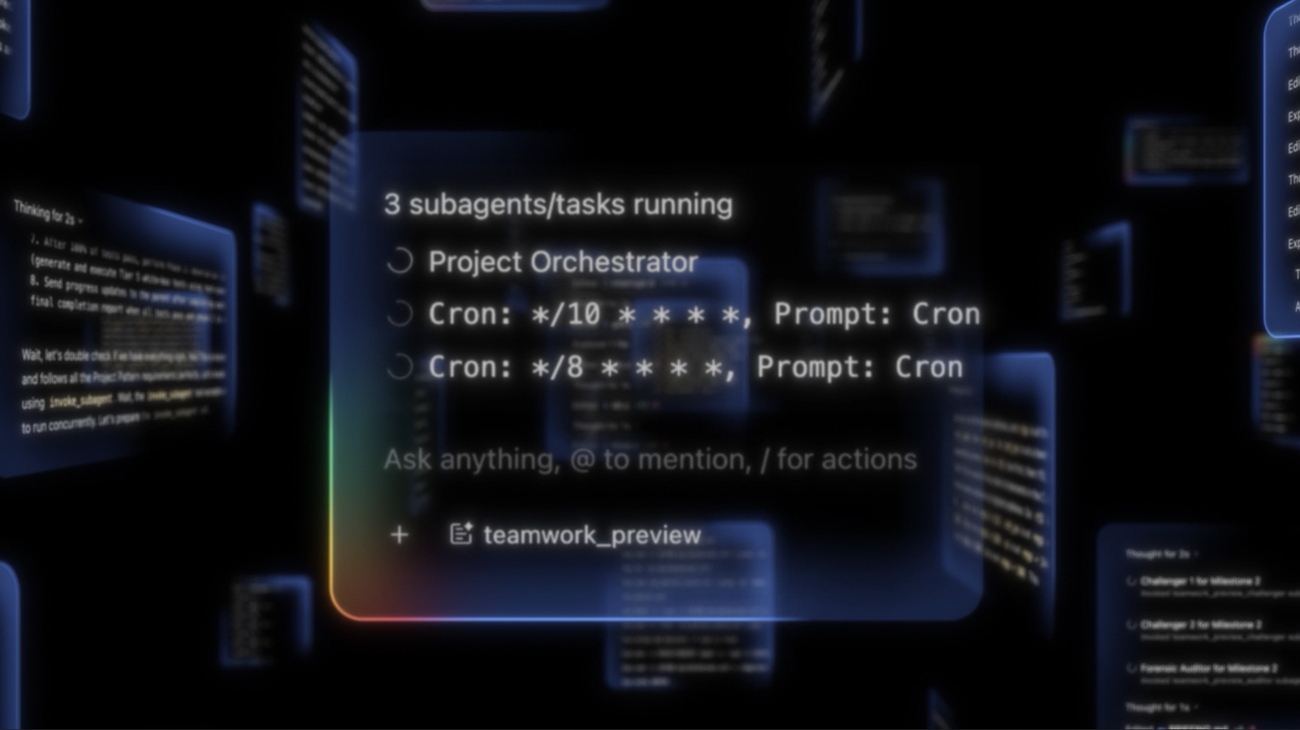
Gemini API Managed Agents hides sandboxing, state, and tool loops behind an API, moving agent competition into runtime infrastructure.
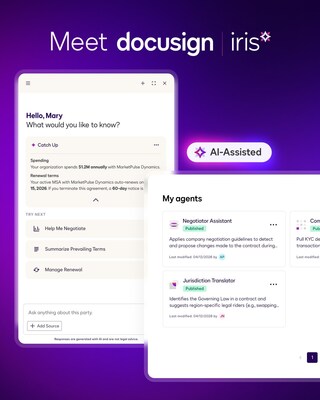
Docusign Iris Agents and its MCP beta show how agreement data can become a callable work surface for Claude, Gemini, and ChatGPT.
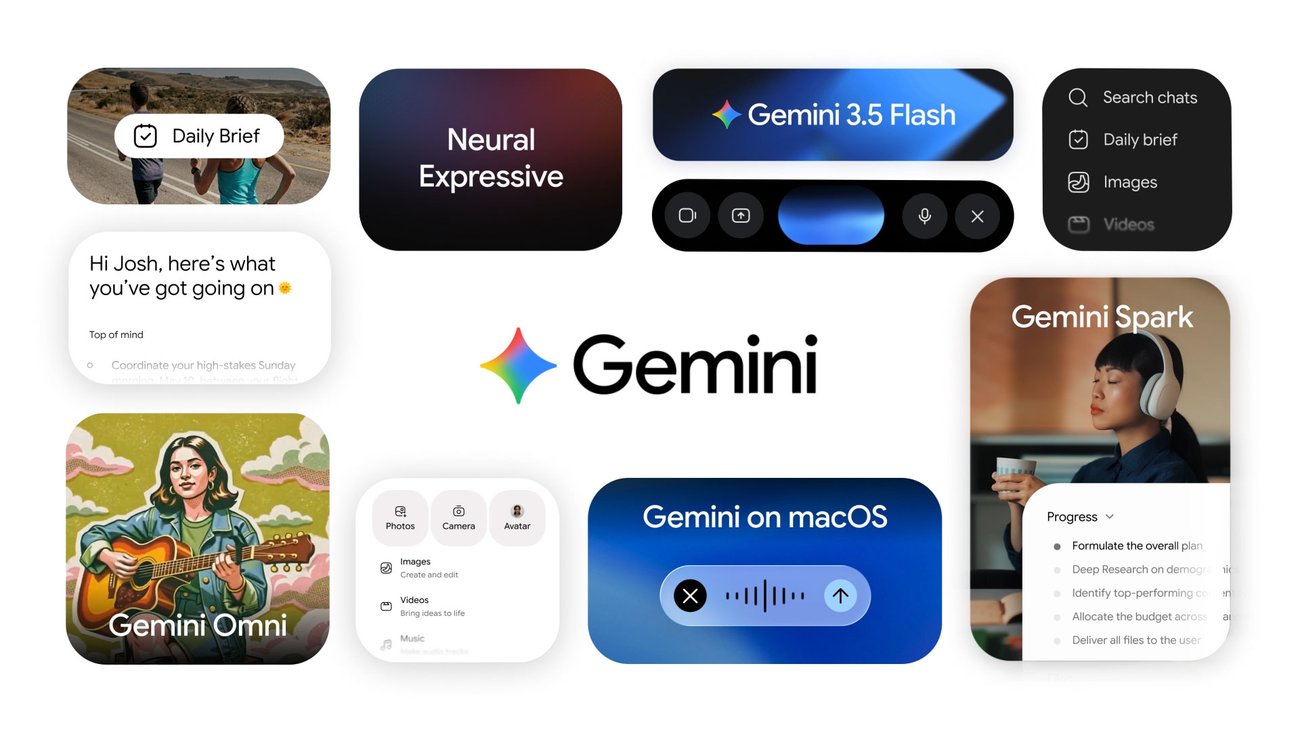
Google Gemini Spark brings background agents, MCP connections, and approval boundaries into a mass-market consumer AI surface.