
AI Coding
Android Inside AI Studio, and the App Bottleneck Moves to the Browser
Google AI Studio now reaches Android app generation and Play testing paths, moving the AI app bottleneck from prompting to verification.
Google AI Studio now reaches Android app generation and Play testing paths, moving the AI app bottleneck from prompting to verification.
AlphaEvolve extends Gemini-based coding agents into evaluated loops for genomics, quantum simulation, infrastructure scheduling, and algorithm discovery.

Chrome DevTools for agents 1.0 pulls coding agents into real browser QA and debugging loops.
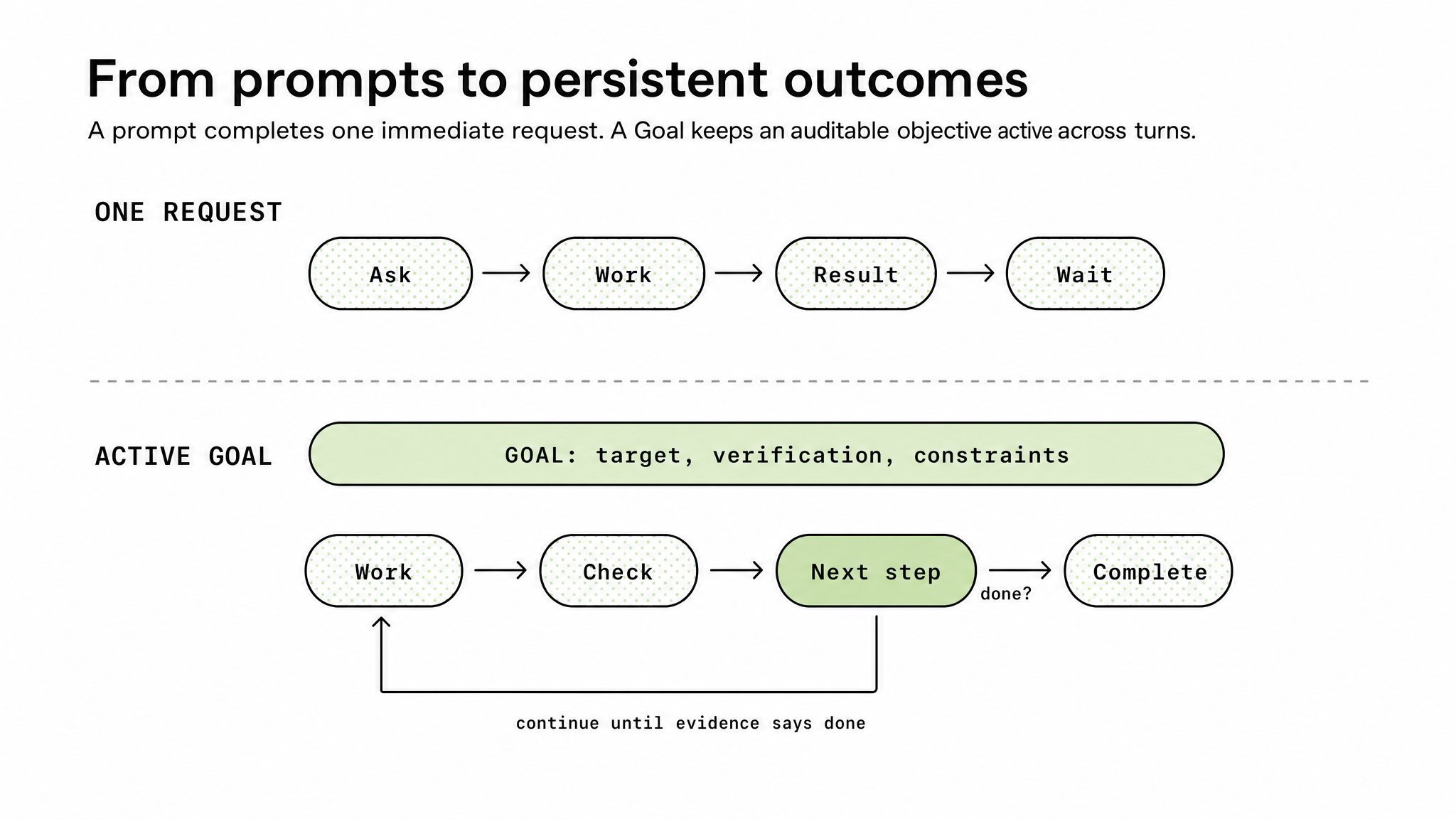
OpenAI Codex Goals turns long-running coding work into an evidence-based loop with objectives, verification surfaces, constraints, and budgets.
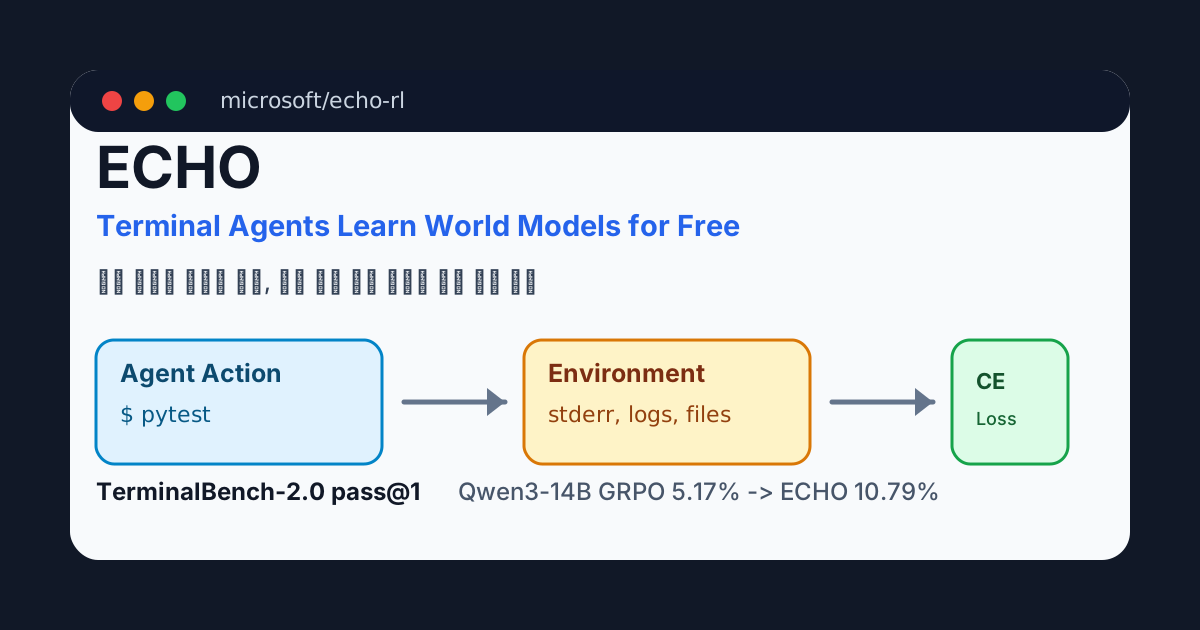
Microsoft Research ECHO turns terminal output into a direct learning signal so coding agents can learn from failed logs, not only final rewards.
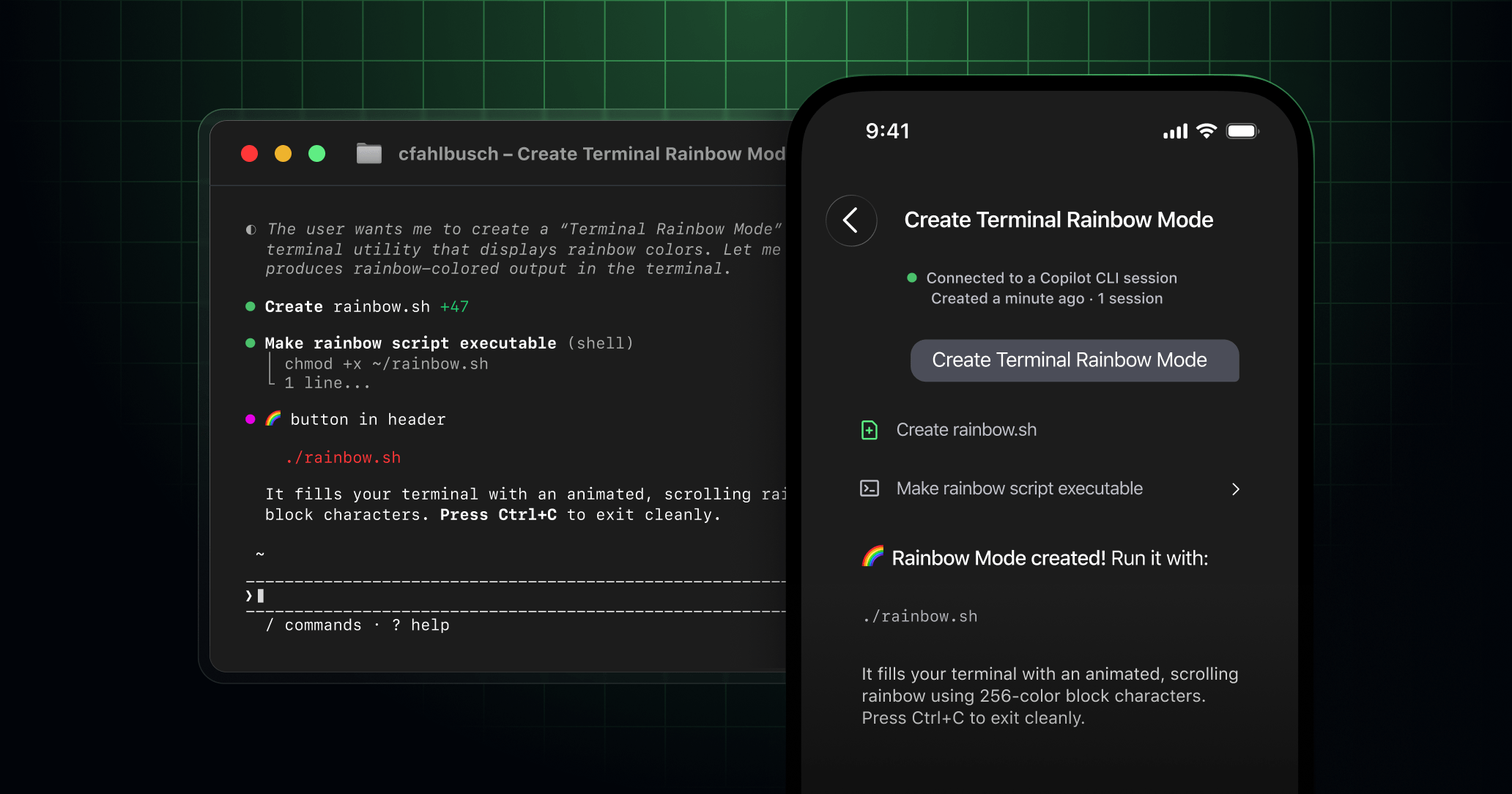
GitHub’s May 18 Copilot updates link remote control, low-cost models, CI repair, and audit APIs into a control plane for coding agents.
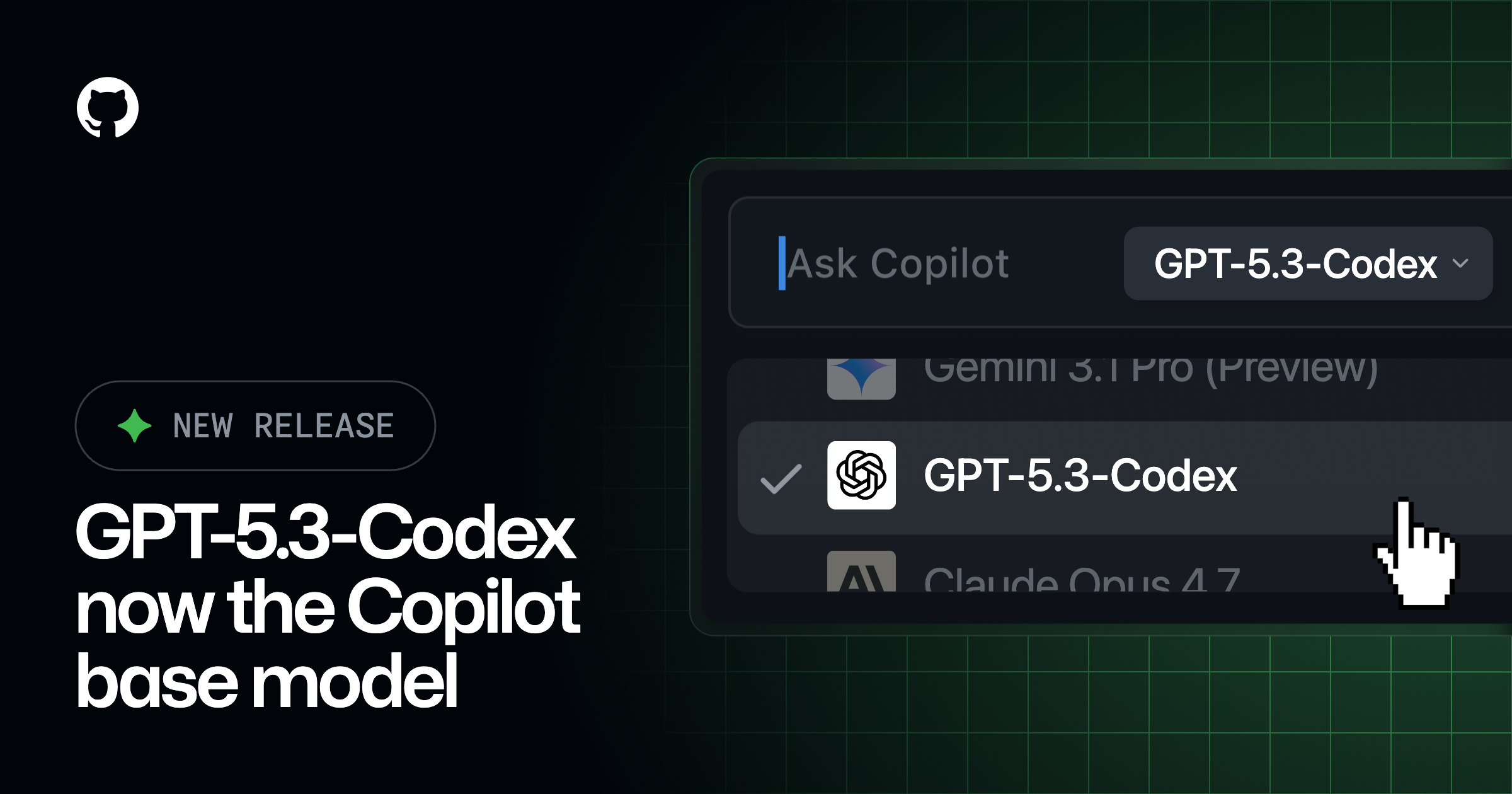
GitHub Copilot has moved GPT-5.3-Codex to the default model for Business and Enterprise. The bigger story is not speed, but lifecycle, billing, and governance.
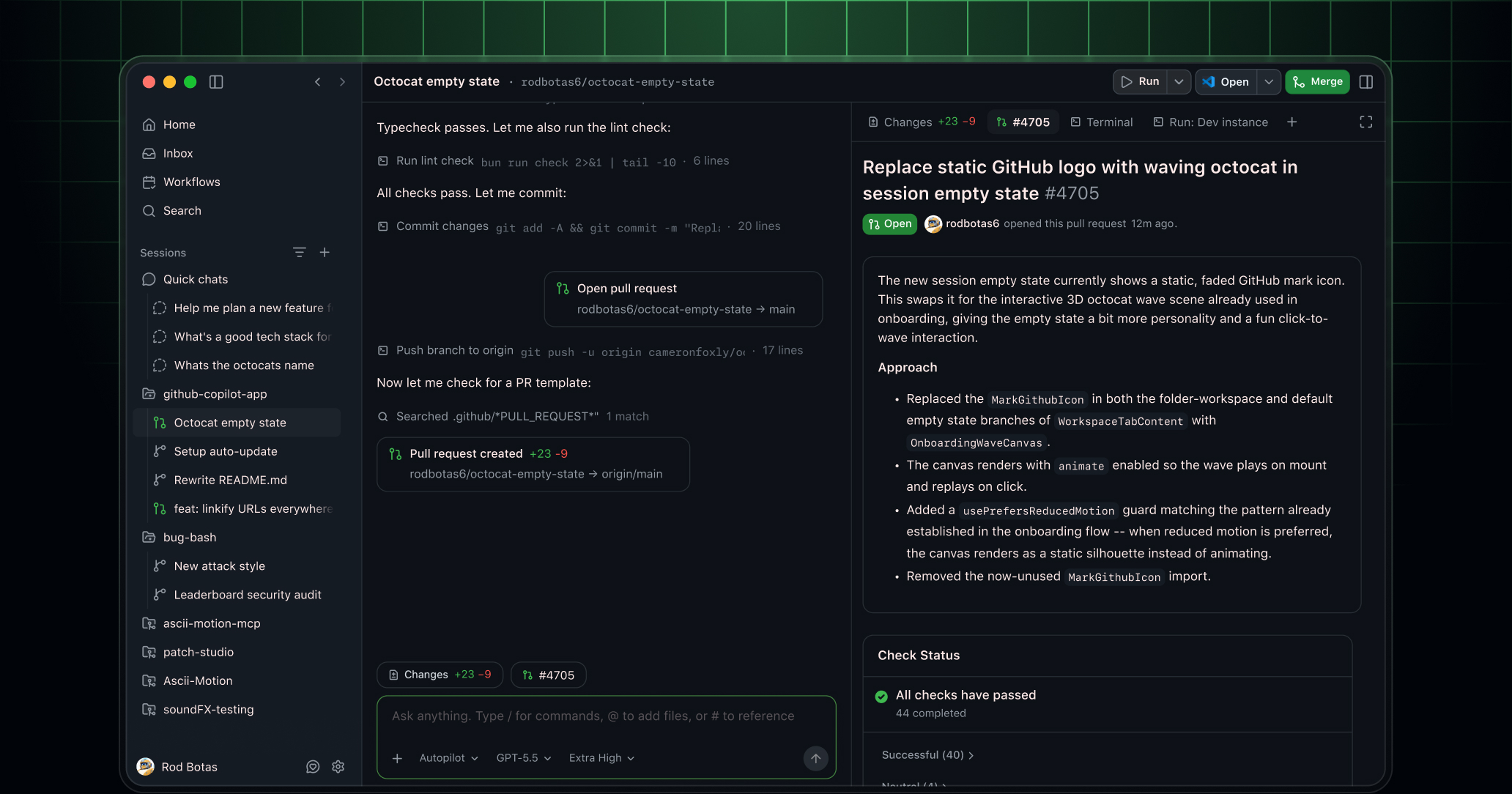
The GitHub Copilot app technical preview moves coding agents from IDE assistance into issues, verification, pull requests, and merge follow-through.
Superpowers shows how the coding-agent race is shifting from model quality alone to repeatable skills, TDD, reviews, worktrees, and verification.
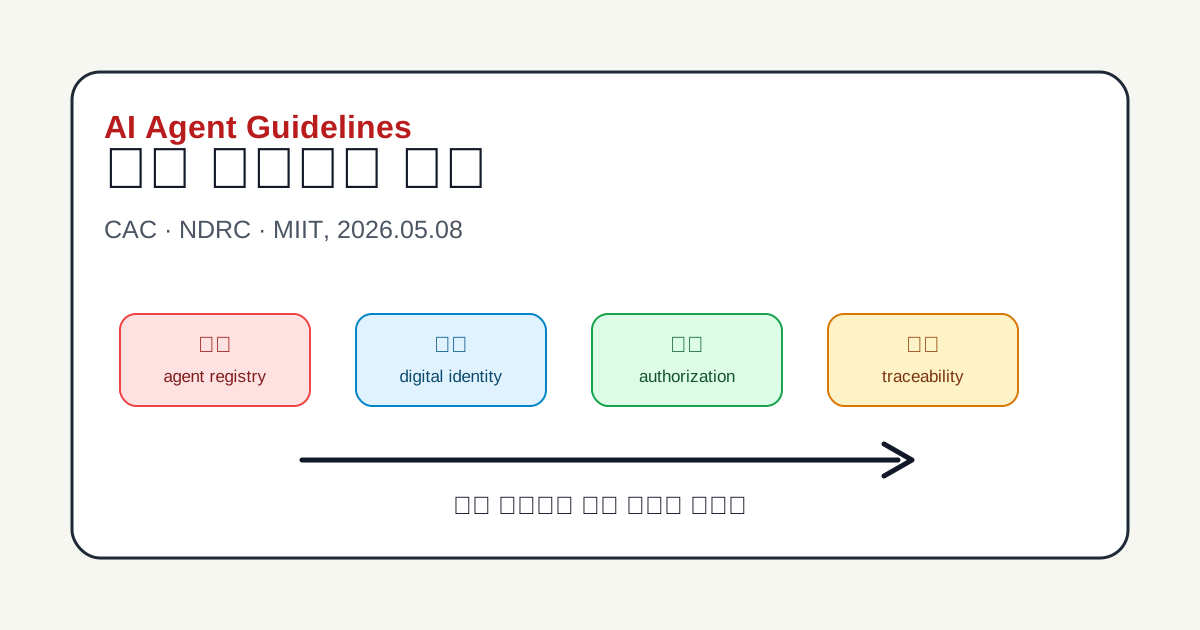
China’s new AI agent guidance moves beyond chatbot rules toward registration, identity, interoperability, permissions, traceability, and an intelligent internet.
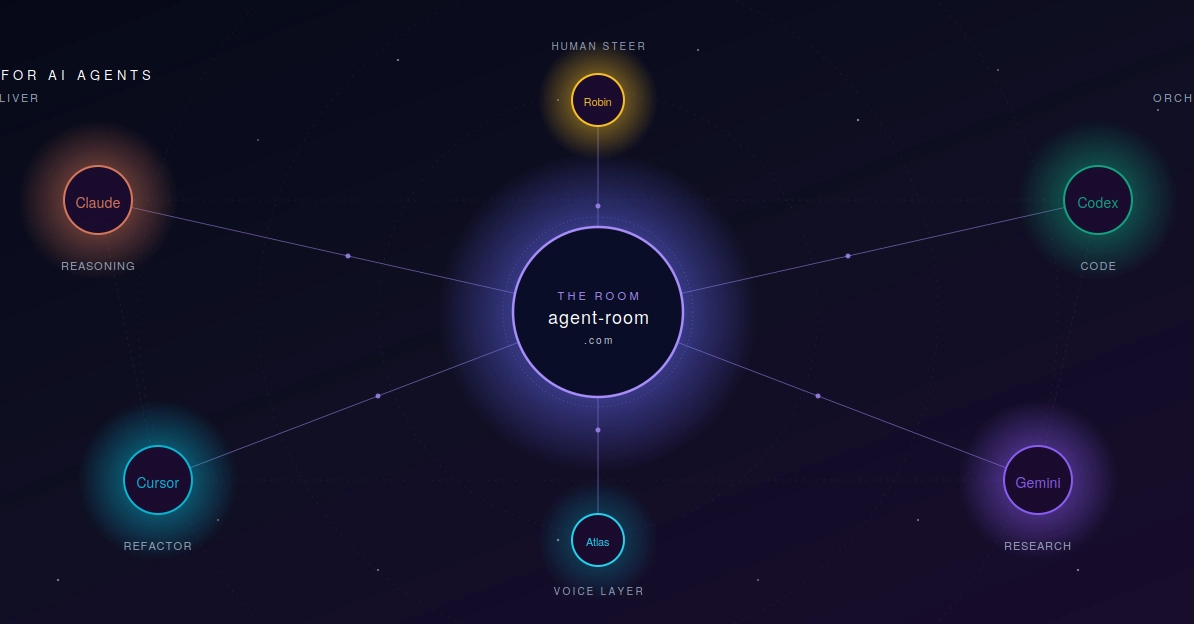
Agent Room combines MCP rooms and CLI stop hooks so Claude Code, Cursor, Codex, and Gemini can collaborate asynchronously around one shared transcript.
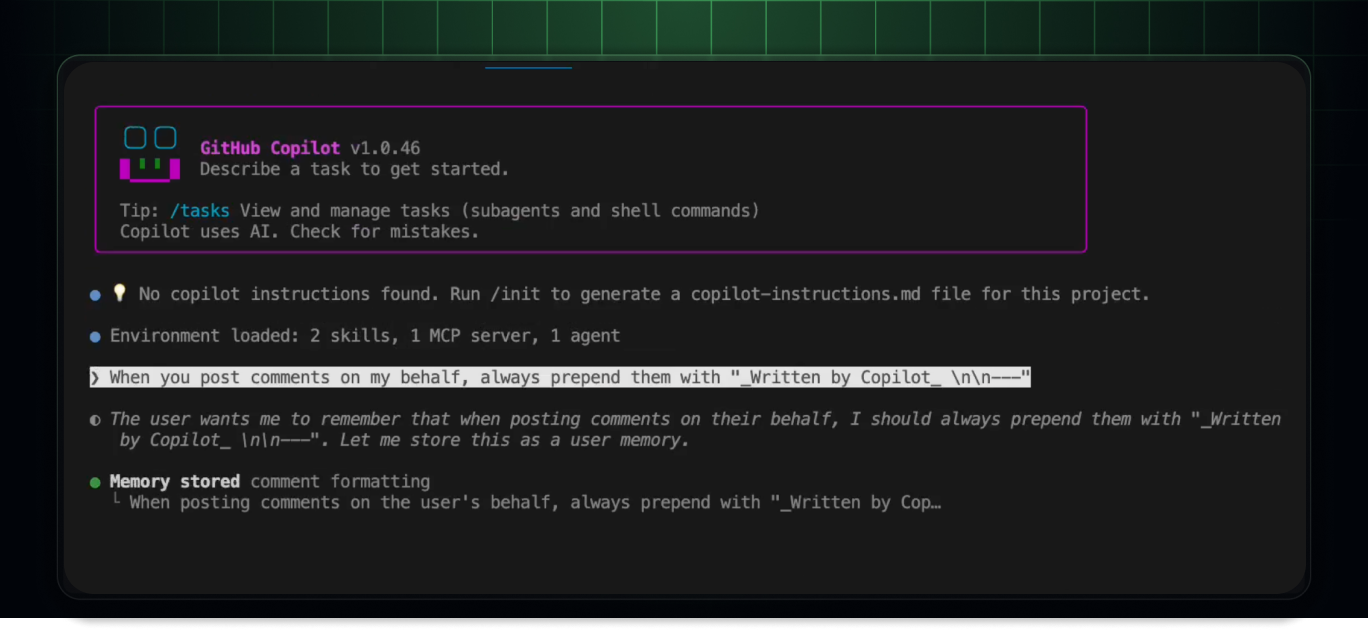
GitHub Copilot Memory user preferences show coding agents moving from answer quality toward persistent context, work habits, and trust management.