Codex Moves to the Phone as Coding Agents Get a New Control Plane
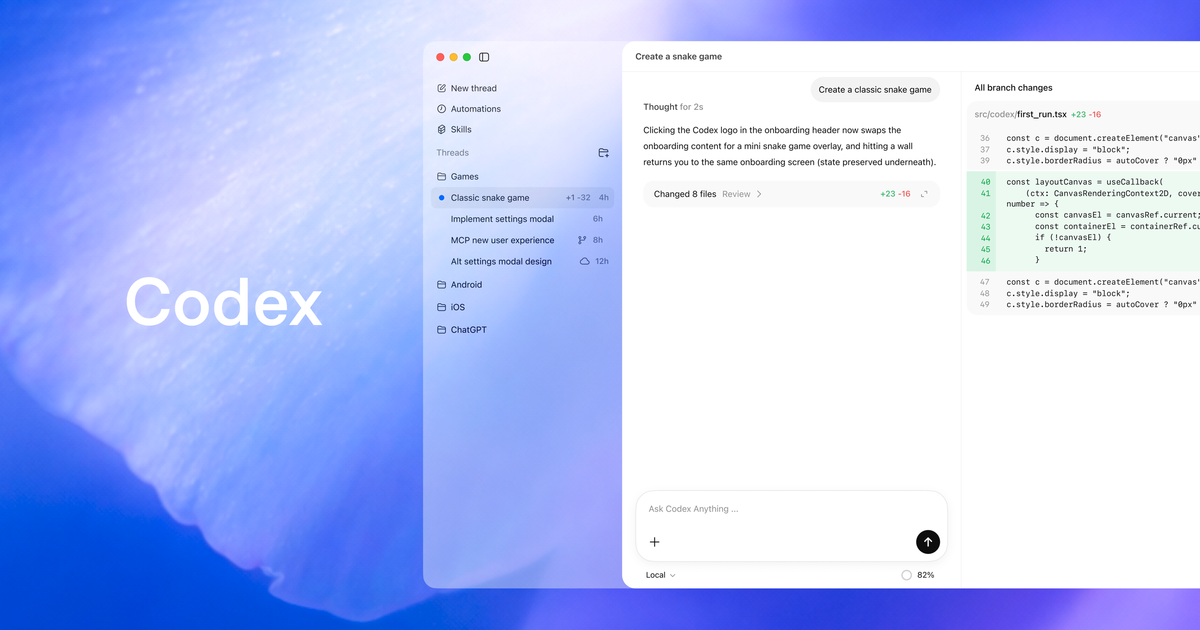
OpenAI Codex mobile preview shows the coding-agent race moving from model capability toward approvals, remote execution, and cost boundaries.
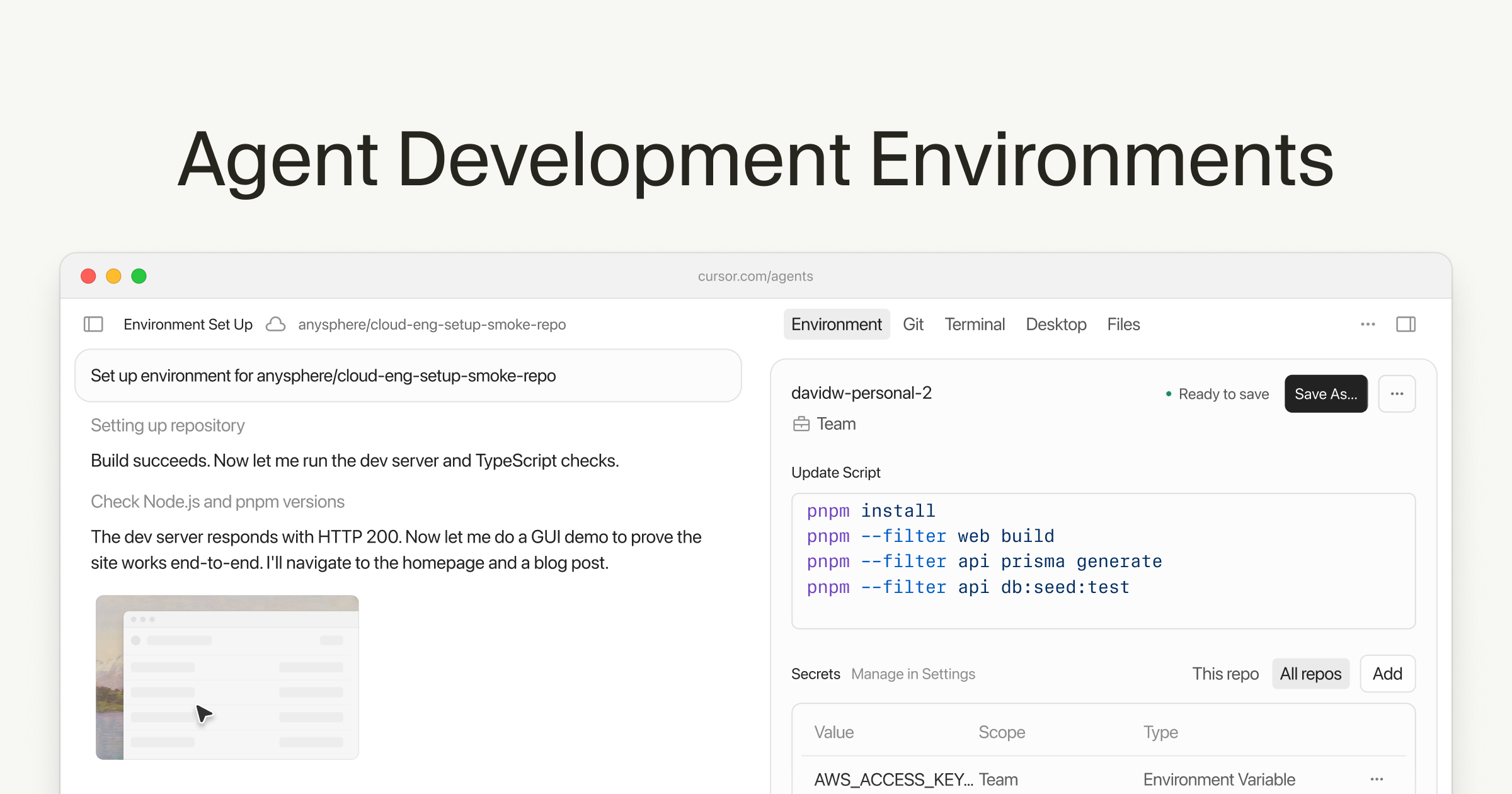
Cursor introduced cloud agent development environments. The coding-agent race is moving from model quality to multi-repo workspaces, secrets, audit logs, and egress control.
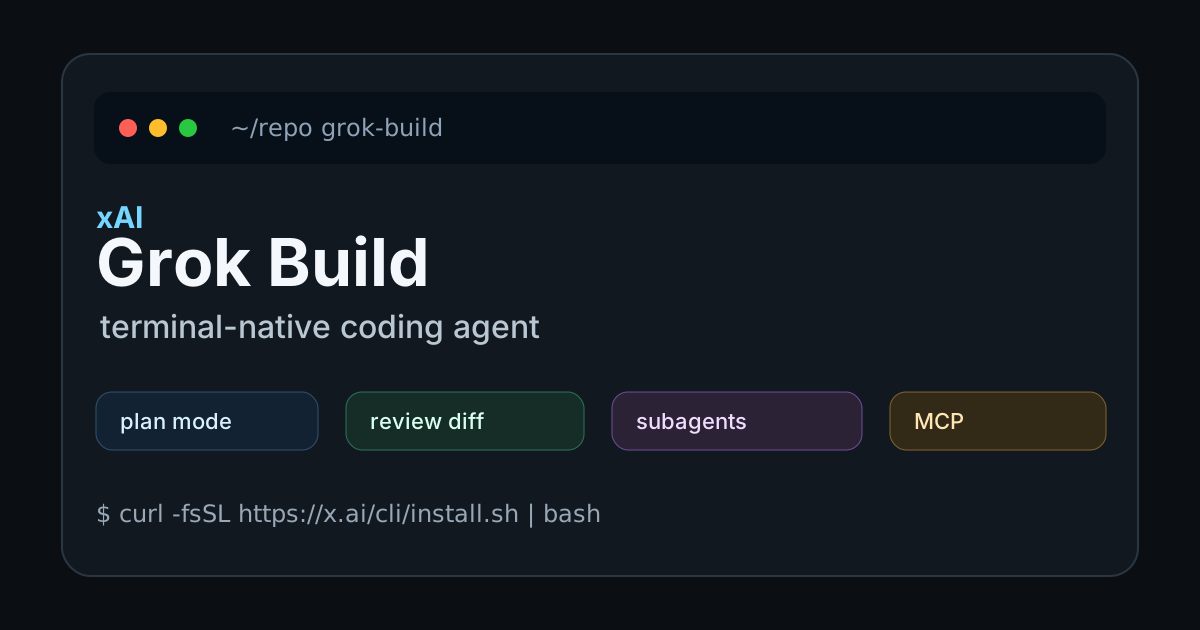
xAI Grok Build Early Beta shows the coding-agent market moving from model benchmarks toward plans, approvals, extensions, parallel agents, and runtime control.
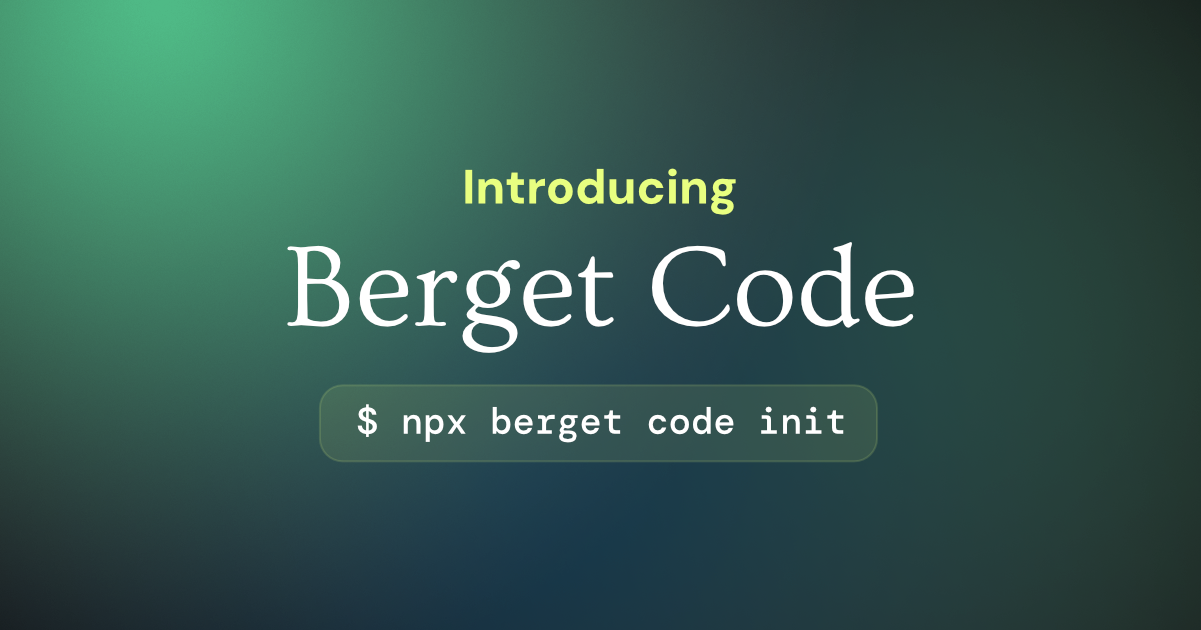
Berget Code turns the AI coding-agent market into a data-residency, jurisdiction, and procurement question for European teams.
OpenAI Codex adds mobile remote access and automation tokens, shifting coding agents toward supervised execution, workspace identity, and audit.
Anthropic and PwC are turning Claude Code and Claude Cowork into an enterprise agent delivery strategy for professional services.
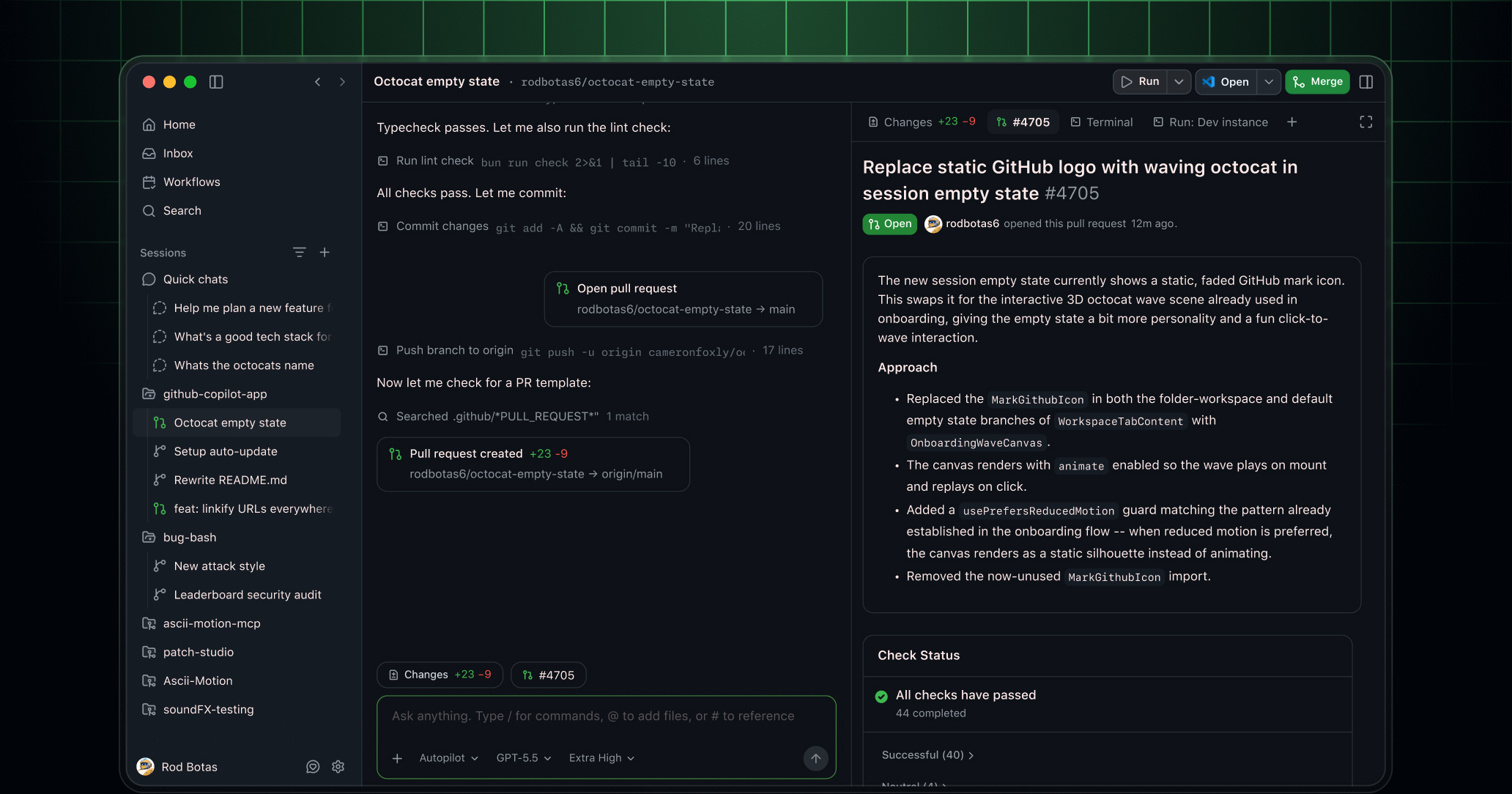
GitHub Copilot is introducing AI Credits and a $100 Max plan, turning agentic coding from a flat subscription into metered developer infrastructure.
AWS Agent Toolkit packages MCP servers, skills, and plugins into an official path for AI coding agents that need to work with AWS safely.
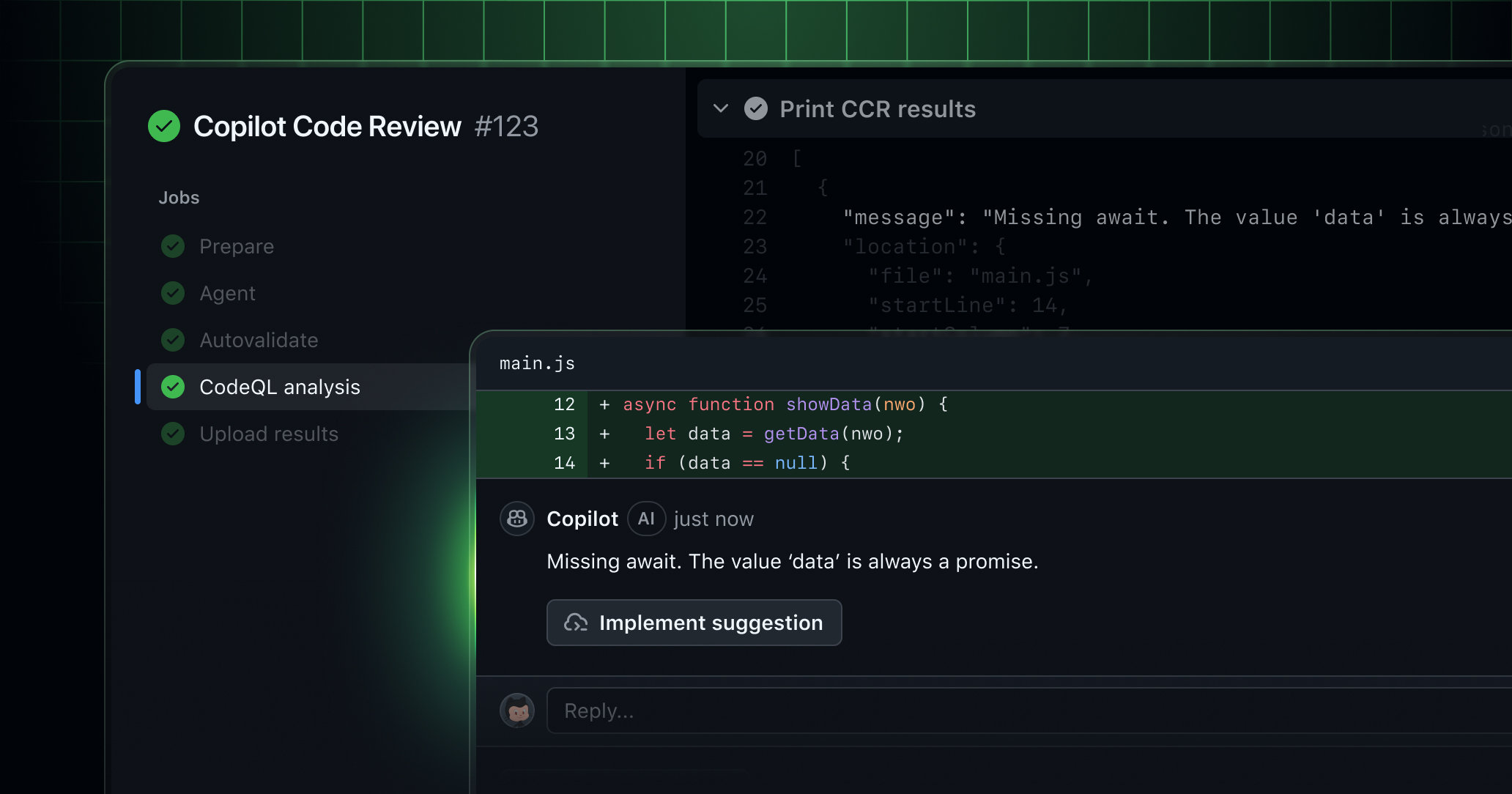
GitHub has put Copilot CLI managed plugins and Rubber Duck cross-model review into the enterprise control plane for terminal-based coding agents.
Cursor brought Cloud Agent into Microsoft Teams and tied PR review, parallel builds, and PR splitting into a broader agent operations layer.
Coder opened the beta for self-hosted Coder Agents, showing how coding-agent competition is moving into enterprise control planes.
UiPath now connects Claude Code and Codex to its automation platform, moving the coding-agent race toward deployment, audit, and governance layers.