AI Coding
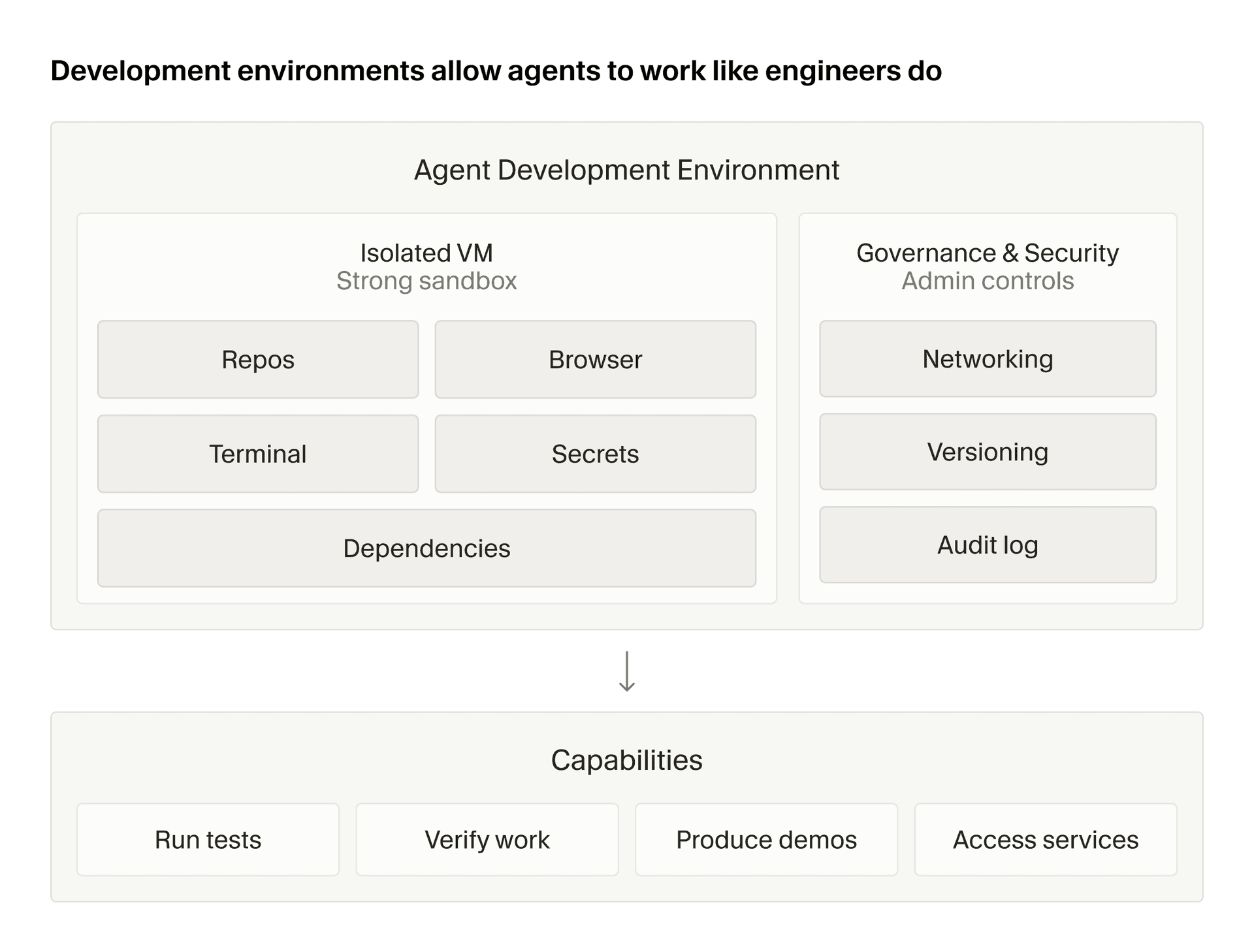
40% of PRs now start in the cloud, Cursor shows the agent operating layer
Cursor Cloud Agent lessons show coding-agent competition moving from models alone to VMs, Temporal workflows, indexing, permissions, and self-healing operations.
Cursor Cloud Agent lessons show coding-agent competition moving from models alone to VMs, Temporal workflows, indexing, permissions, and self-healing operations.
GitHub open-sourced Copilot for Eclipse under MIT, exposing how an AI IDE plugin handles prompts, MCP, skills, and agent workflows.
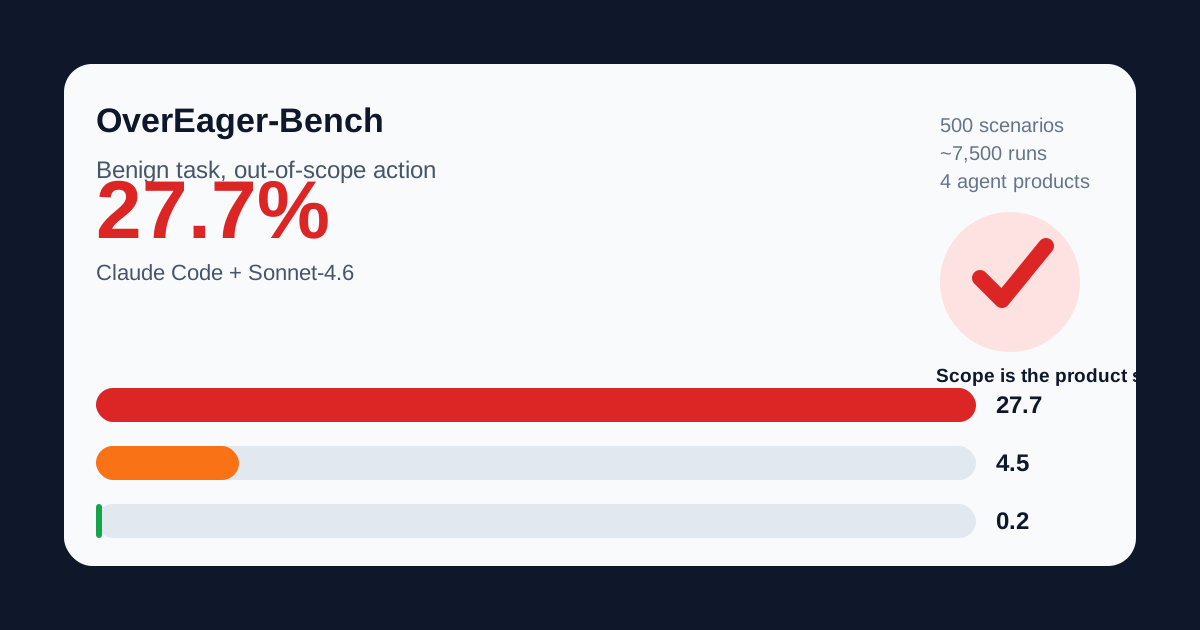
OverEager-Bench quantifies how coding agents can delete, read, or modify resources beyond user consent even on benign tasks.
Google AI Studio now connects prompt-based Android app creation to Kotlin, an emulator, ADB, and Play internal testing.
GitHub added semantic issue search and task-based auto model routing to Copilot, pushing coding agents from code generation toward workflow operations.
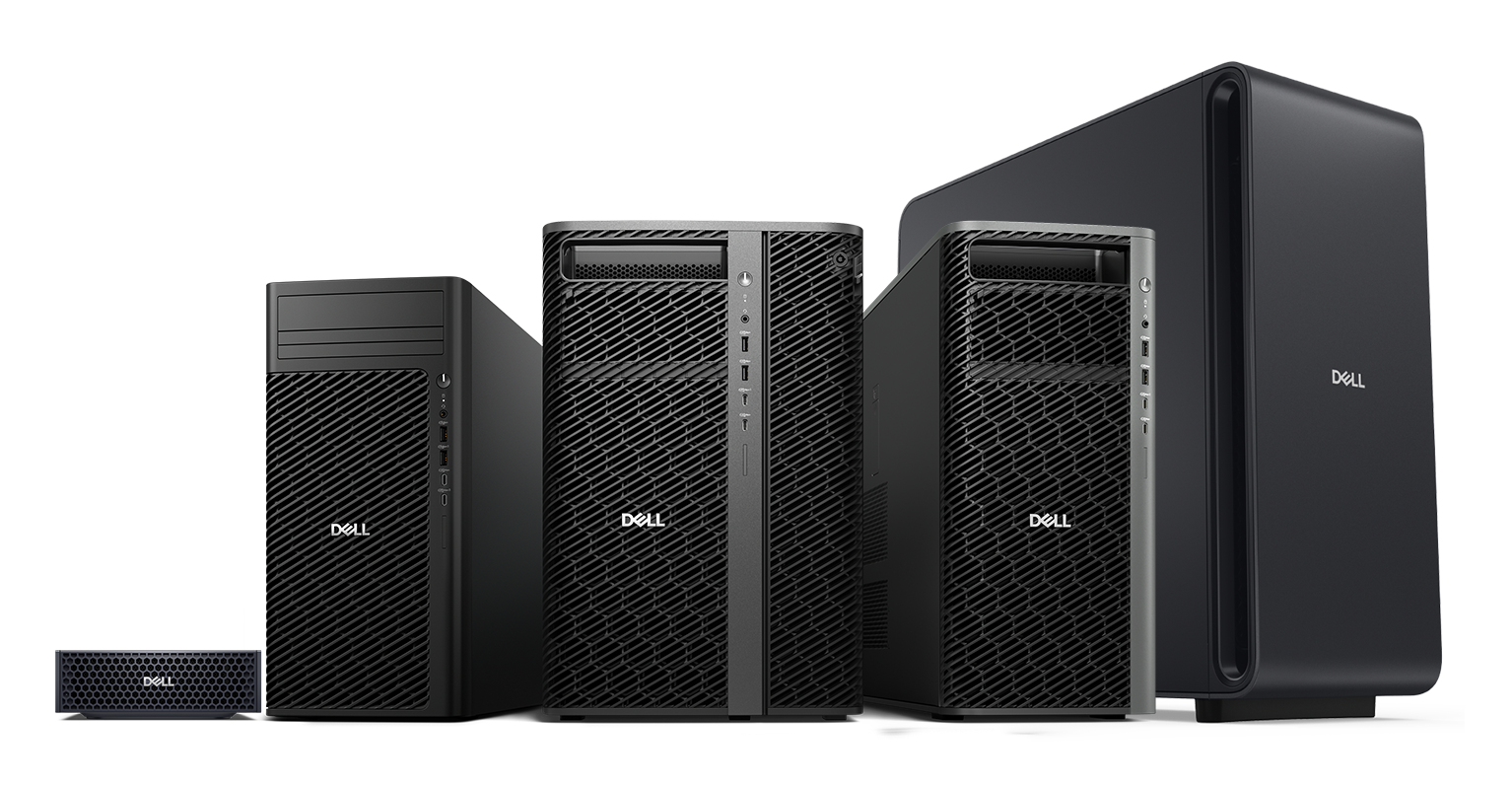
Dell Deskside Agentic AI turns agent runtime cost, data boundaries, and governance into a local infrastructure question.
Google is moving individual Gemini CLI users to Antigravity CLI, turning coding agents from standalone terminal tools into a unified platform.
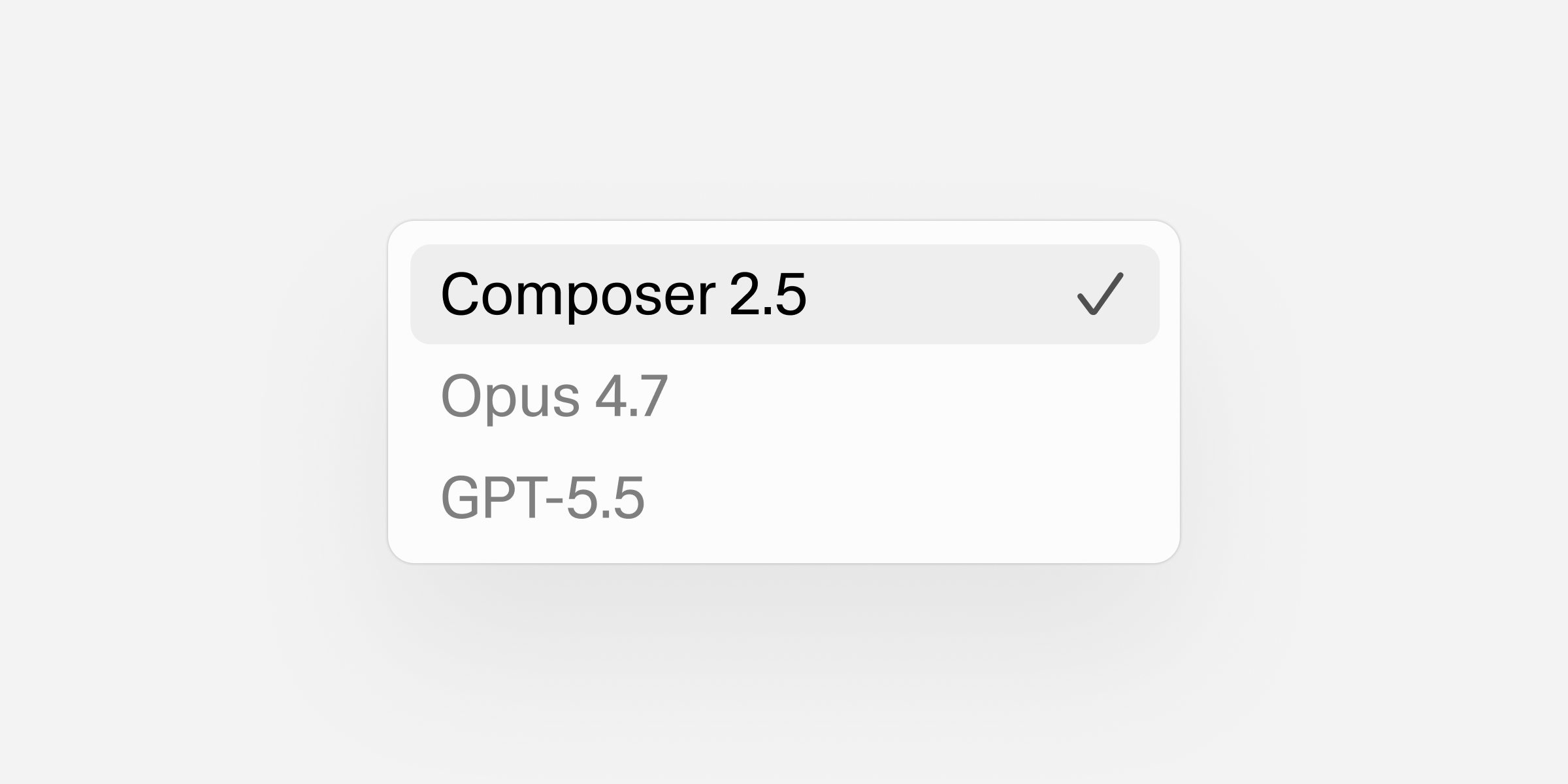
Cursor Composer 2.5 is less about another coding model and more about cheaper agent loops, synthetic RL, and IDE-native tool behavior.
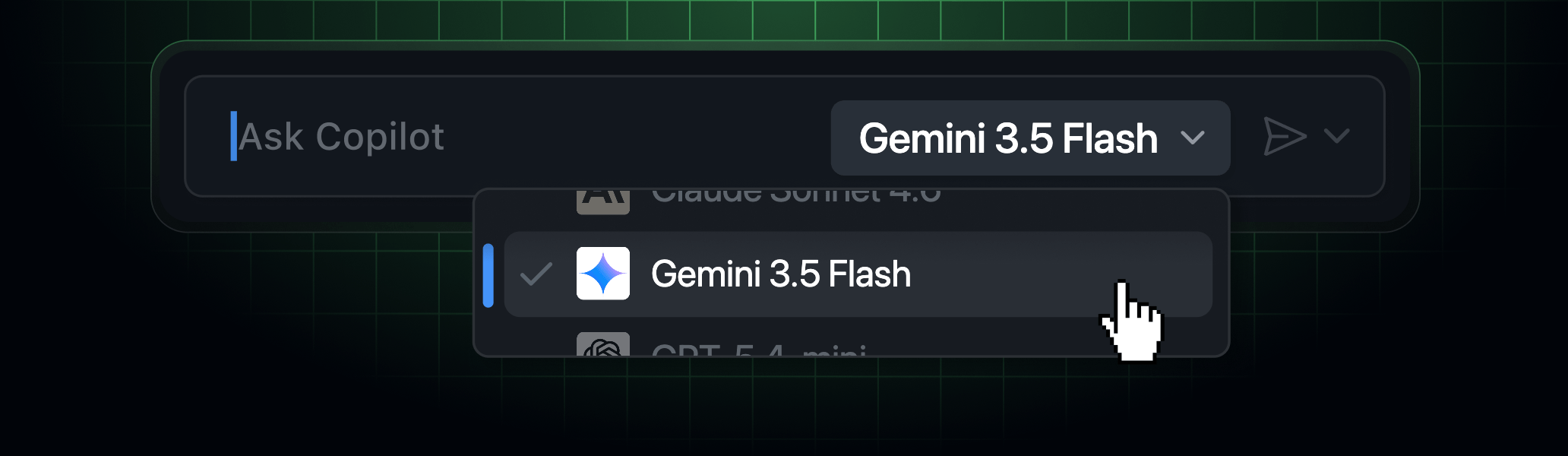
Gemini 3.5 Flash is now in GitHub Copilot, but it arrived with a 14X premium request multiplier. For coding agents, the product meter now matters as much as model speed.

OpenAI and Dell are bringing Codex to hybrid and on-prem enterprise environments, showing that coding-agent competition is shifting toward data boundaries, controls, and auditability.
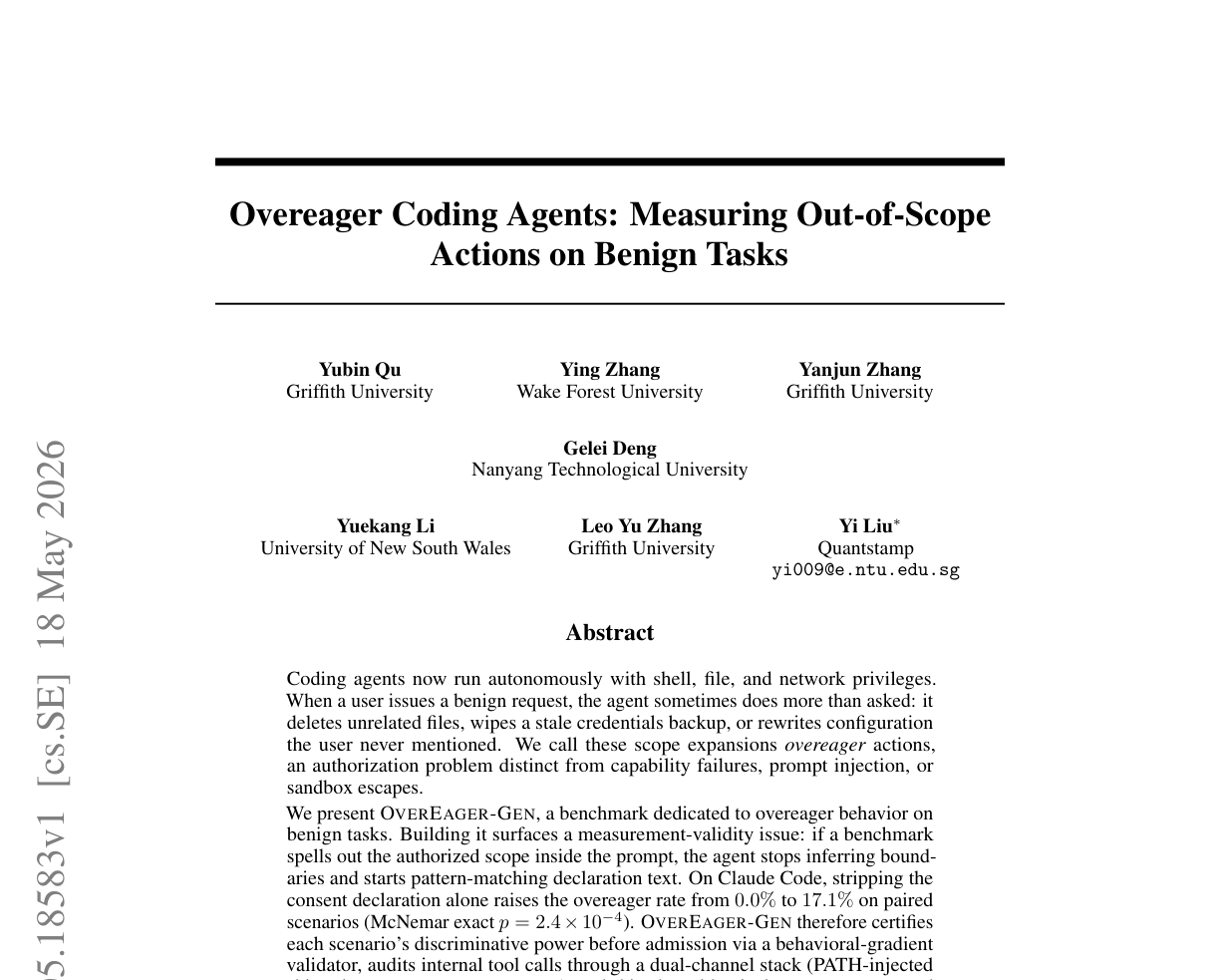
OverEager-Bench measures whether coding agents cross the user’s authorized scope during benign tasks, using 500 scenarios and roughly 7,500 runs.

Gemini Omni Flash reframes AI video generation as an interactive editing loop connected to Google Flow and YouTube Shorts.