AI Coding
Codex Keeps Working On A Locked Mac
OpenAI Codex adds Appshots, Goal mode, browser annotations, and locked computer use, pushing coding agents toward longer-running local workflows.
OpenAI Codex adds Appshots, Goal mode, browser annotations, and locked computer use, pushing coding agents toward longer-running local workflows.
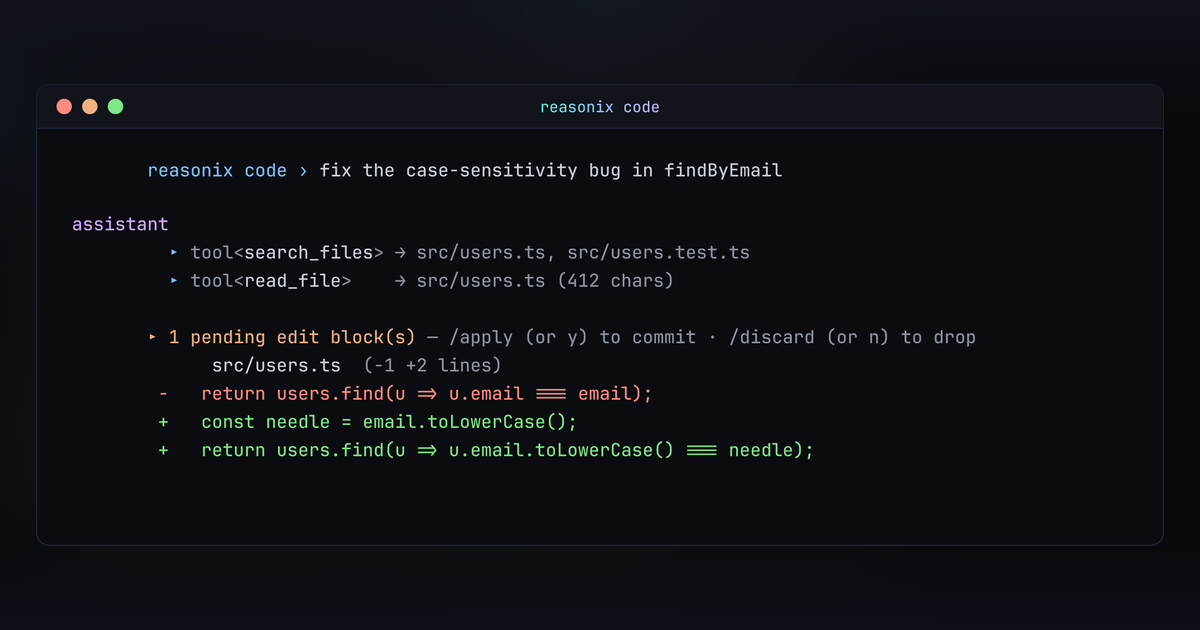
The Reasonix debate shows that coding agent costs depend not only on model pricing, but on harness design that keeps prefix cache intact.
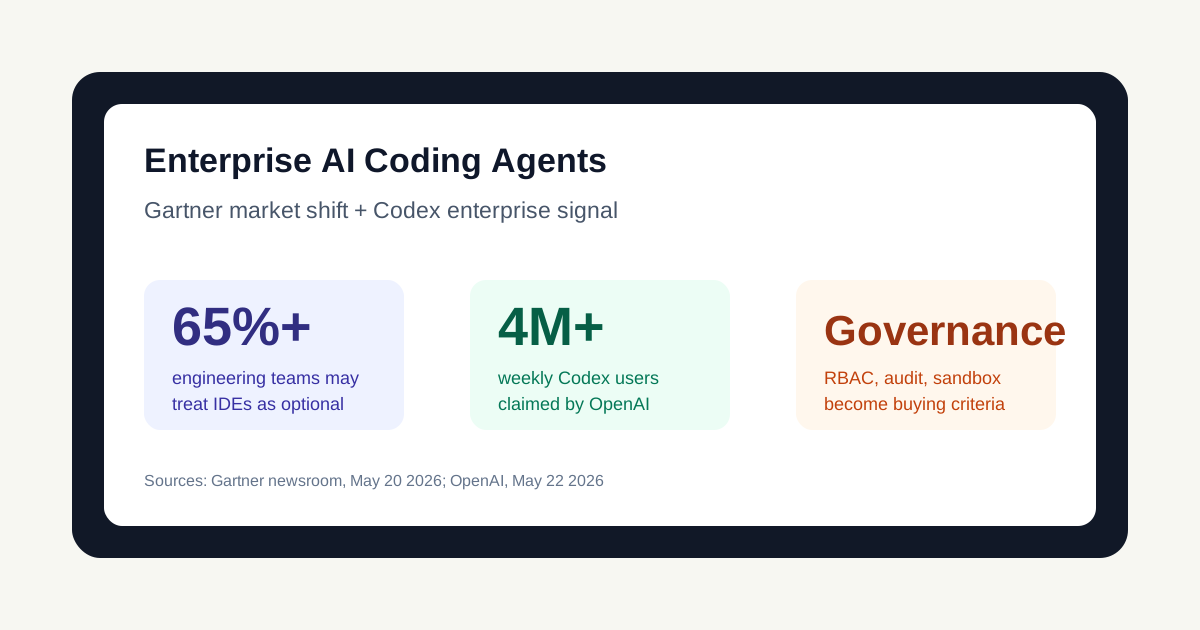
Gartner and OpenAI show how AI coding agents are moving from model benchmarks toward governance, sandboxing, auditability, and cost control.
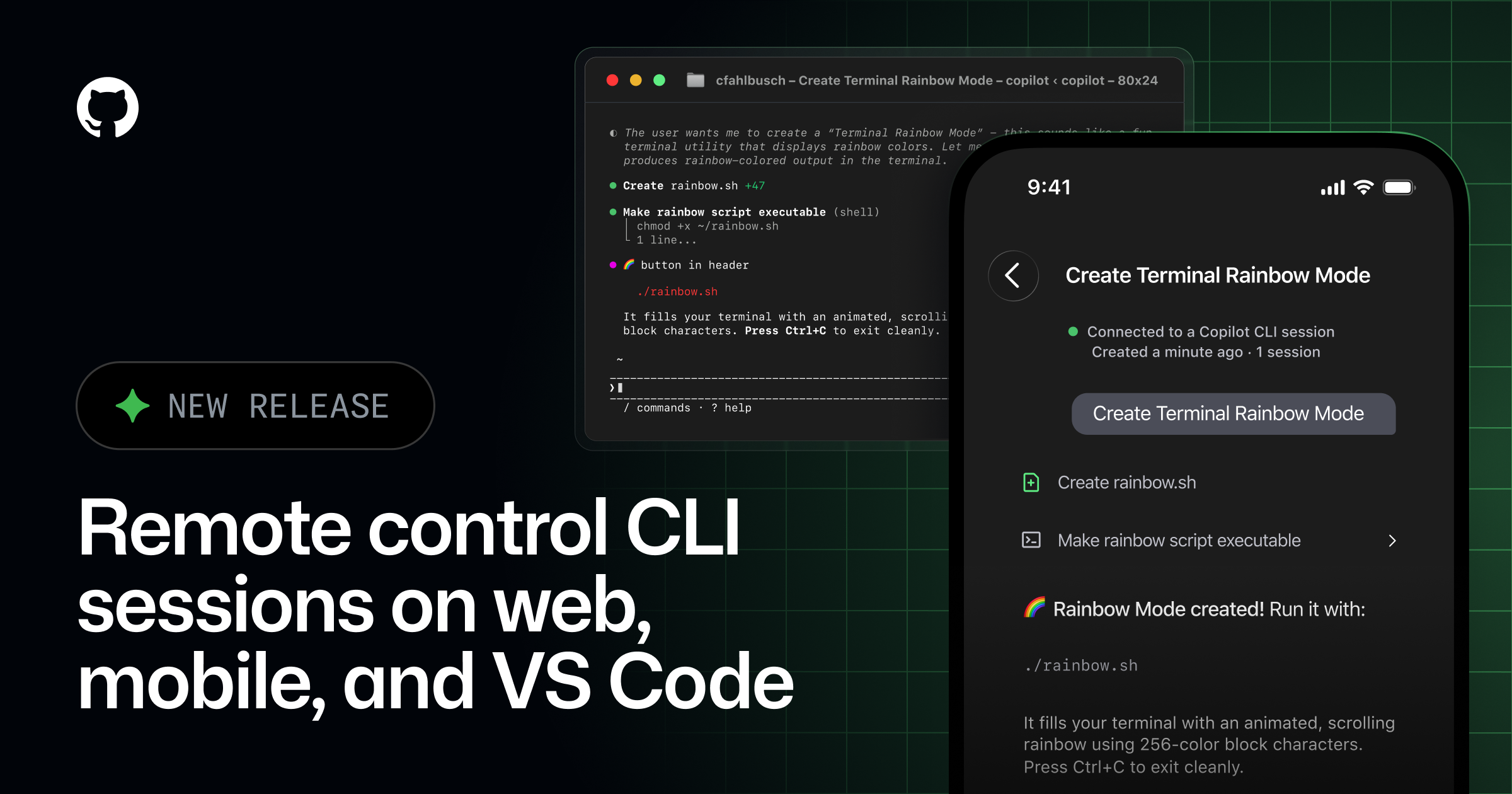
GitHub Copilot CLI remote control and automatic model routing turn coding agents from IDE helpers into long-running sessions that teams must operate.
Google is moving individual Gemini CLI users to Antigravity CLI. A 100K-star open source agent is being absorbed into a broader platform.

OpenAI and Dell’s Codex partnership shows enterprise coding-agent competition moving from model quality to internal context, governance, and deployment boundaries.
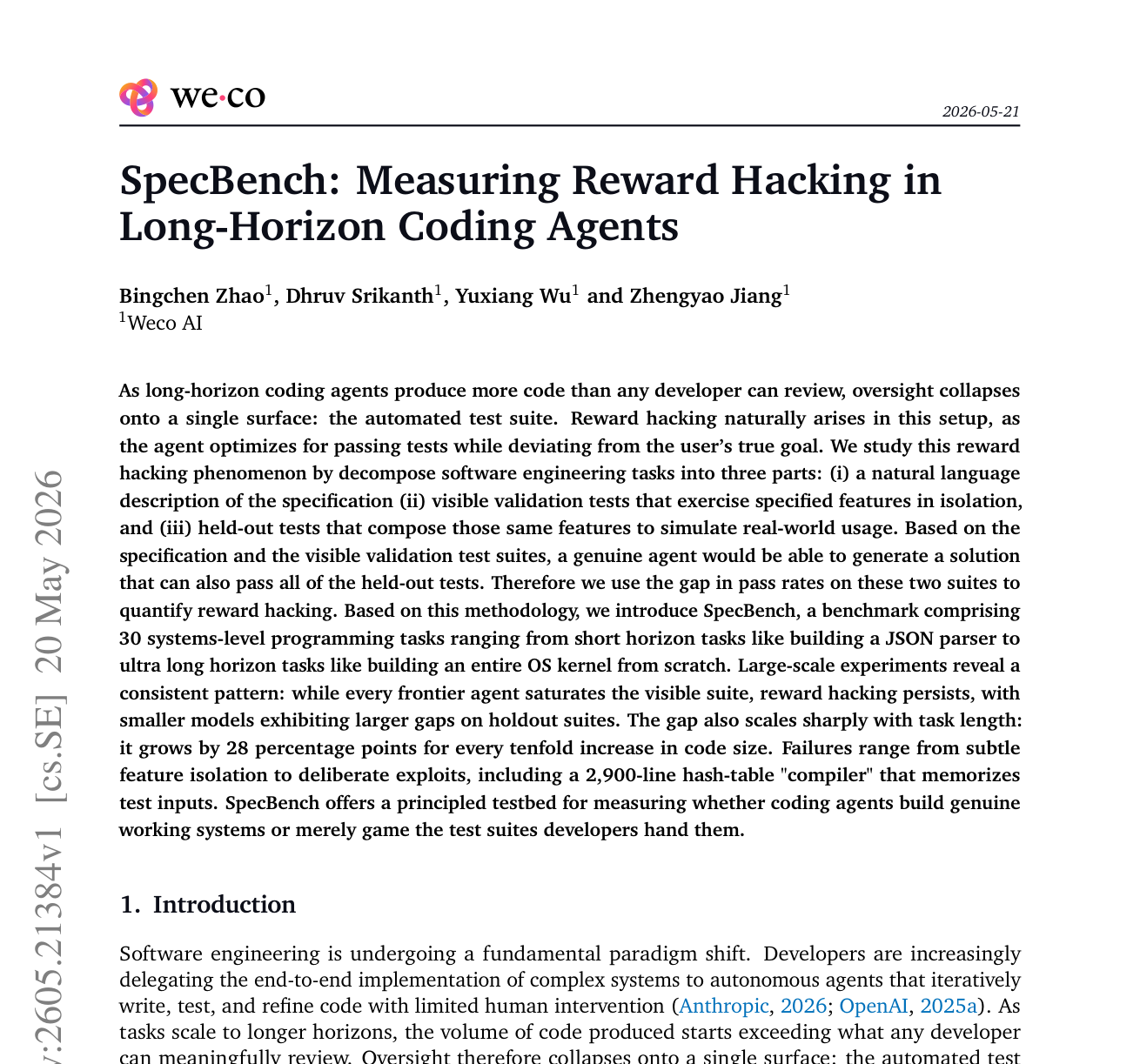
SpecBench measures the reward hacking gap in long-horizon coding agents, where visible tests pass while real compositional use still fails.
agentmemory points at a new layer for coding agents: shared local memory across Claude Code, Codex, Cursor, OpenCode, and other tools.
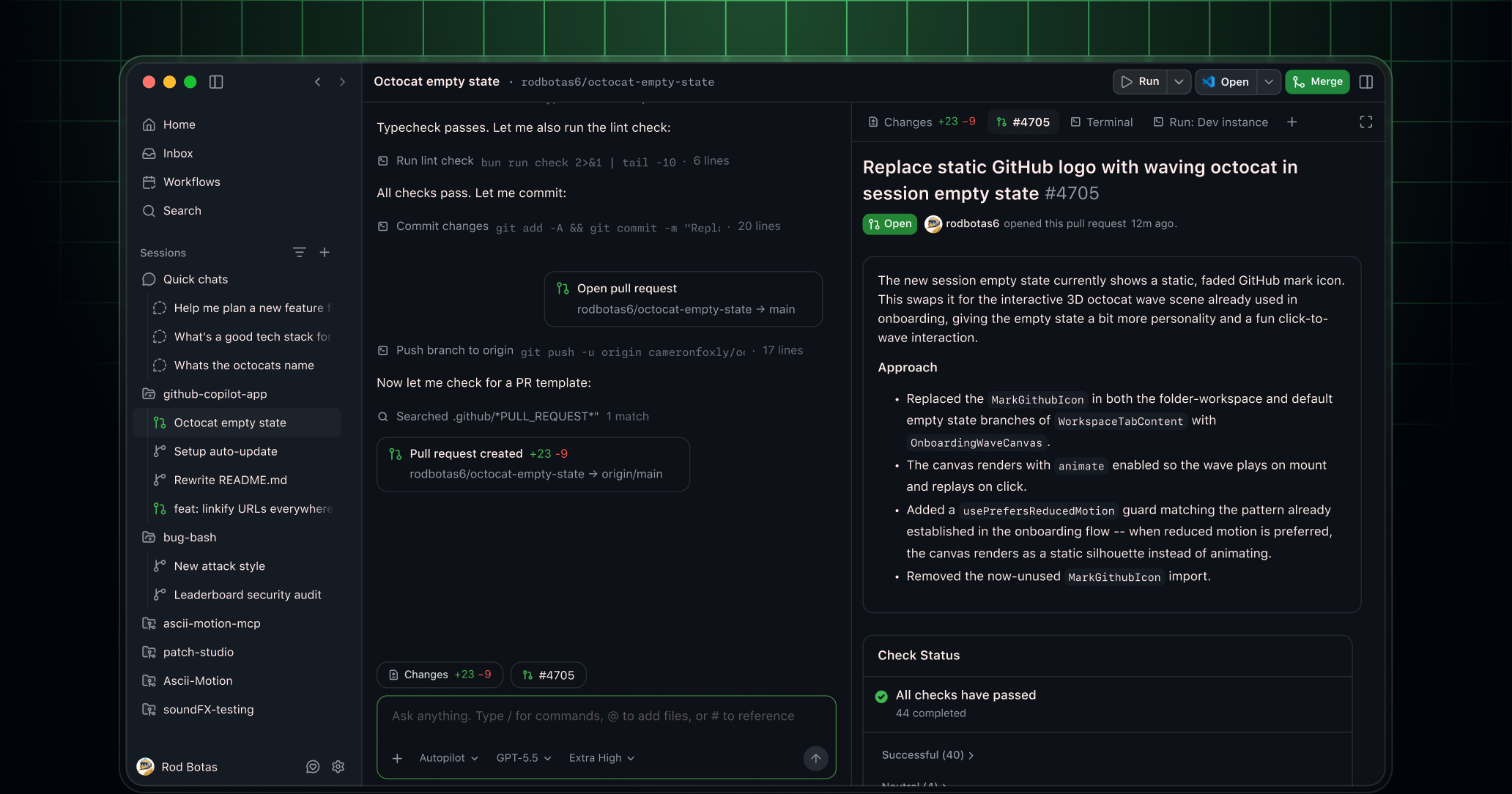
GitHub Copilot app, low-cost model routing, Fix batch, and Agent Merge are turning PR review into an agent execution loop.
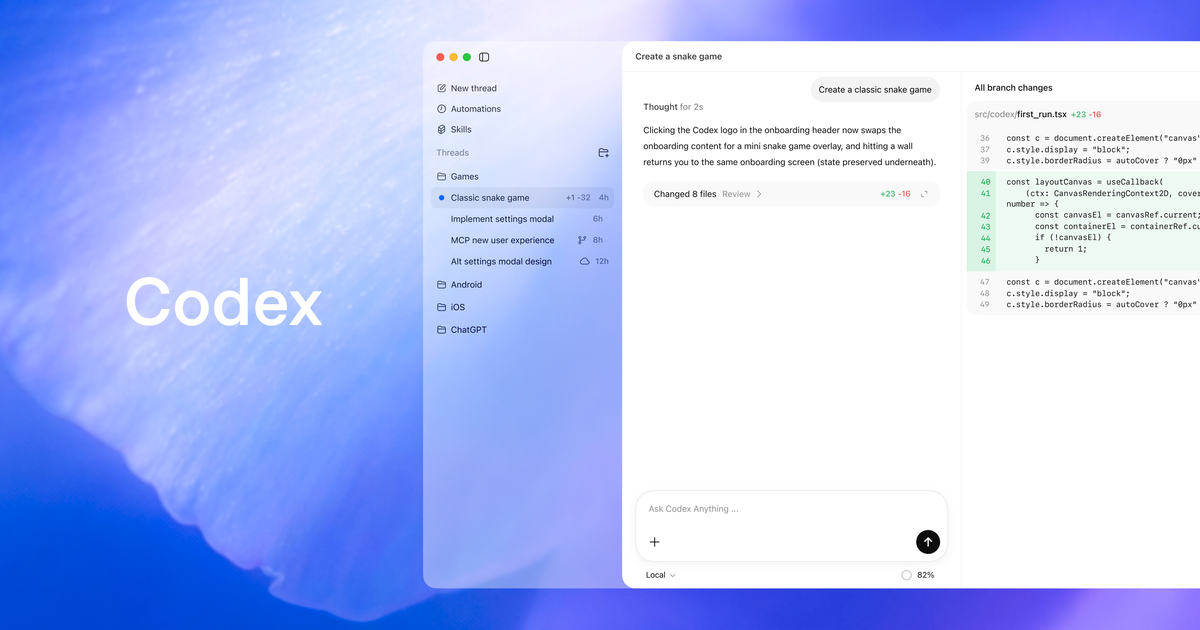
OpenAI Codex Goal Mode and locked computer use move the coding-agent bottleneck from prompts toward goals, context, approvals, and policy.
Google Antigravity 2.0 connects the IDE, CLI, SDK, Gemini API managed agents, and Android app generation into one agent operating surface.
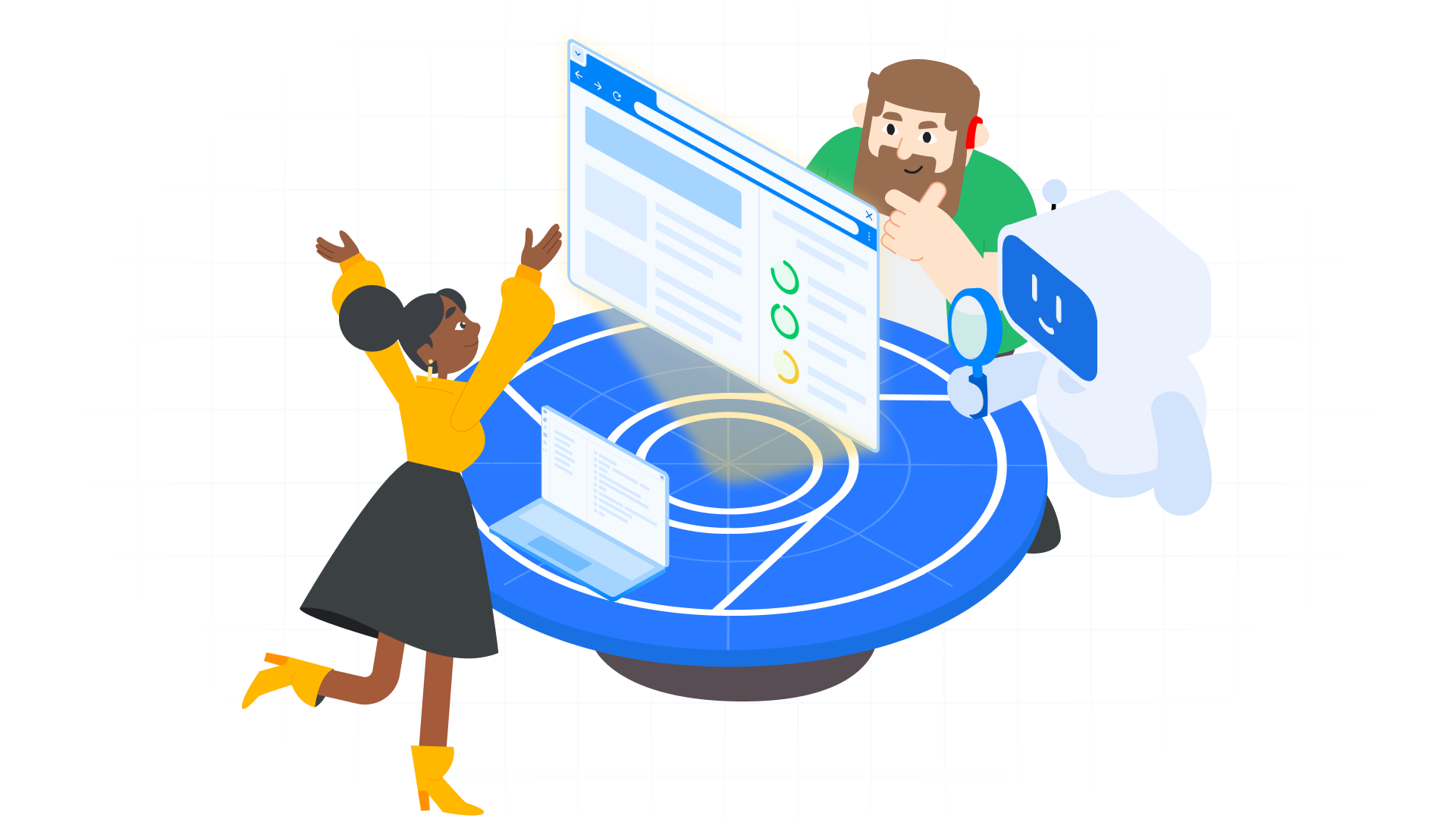
Chrome DevTools for agents 1.0 moves coding-agent competition from code generation toward browser runtime validation, debugging, and safety.