
Industry & Policy
15B tokens per minute, the real cost of OpenAI’s superapp strategy
OpenAI’s $122B raise is not just financing. It ties ChatGPT, Codex, API usage, enterprise adoption, and compute into one agent-first flywheel.
OpenAI’s $122B raise is not just financing. It ties ChatGPT, Codex, API usage, enterprise adoption, and compute into one agent-first flywheel.

OpenAI and Dell’s Codex partnership shows enterprise coding-agent competition moving from model quality to internal context, governance, and deployment boundaries.

OpenAI and Google are turning C2PA, SynthID, and verification tools from image-generator features into web-scale trust infrastructure.
agentmemory points at a new layer for coding agents: shared local memory across Claude Code, Codex, Cursor, OpenCode, and other tools.
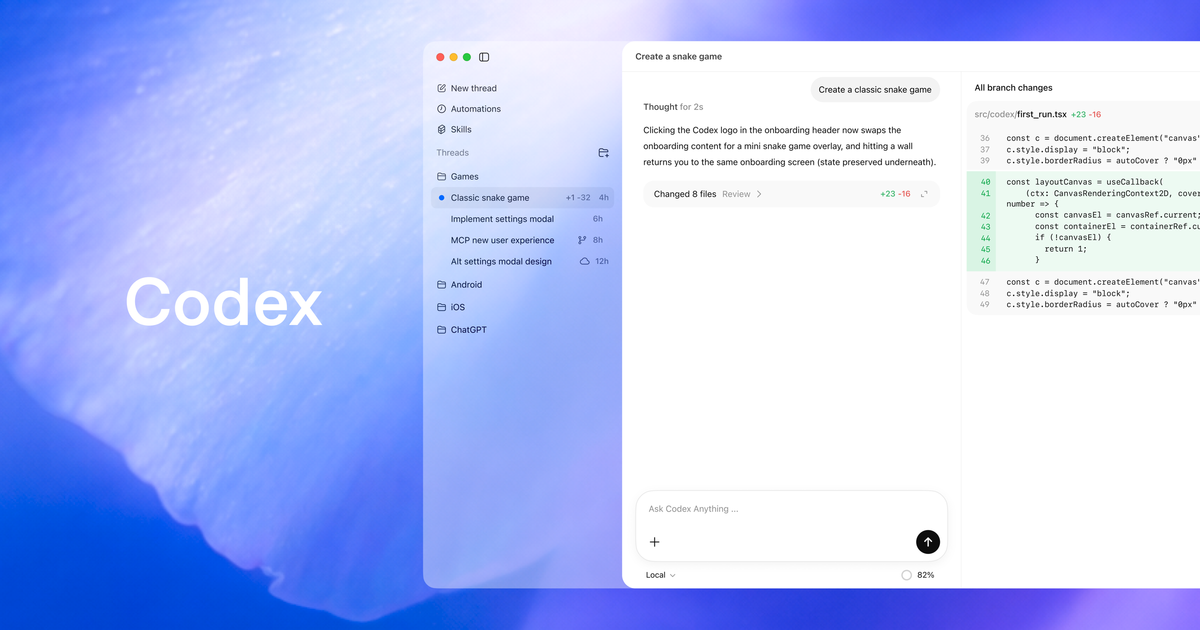
OpenAI Codex Goal Mode and locked computer use move the coding-agent bottleneck from prompts toward goals, context, approvals, and policy.

OpenAI’s counterexample to the Erdős unit-distance conjecture shows both the promise of AI research automation and the reproducibility gap left by an unnamed model.
AWS SageMaker AI now supports OpenAI-compatible inference endpoints, moving enterprise LLM friction from model deployment toward API surfaces, IAM, and routing layers.

OpenAI reportedly offered YC startups $2 million in API tokens through an uncapped SAFE, turning inference compute into a new investment instrument.

NVIDIA AI-Q agent skill lets Claude Code, Codex, and other harnesses delegate enterprise research to a local AI-Q server.

OpenAI and Dell are bringing Codex to hybrid and on-prem enterprise environments, showing that coding-agent competition is shifting toward data boundaries, controls, and auditability.
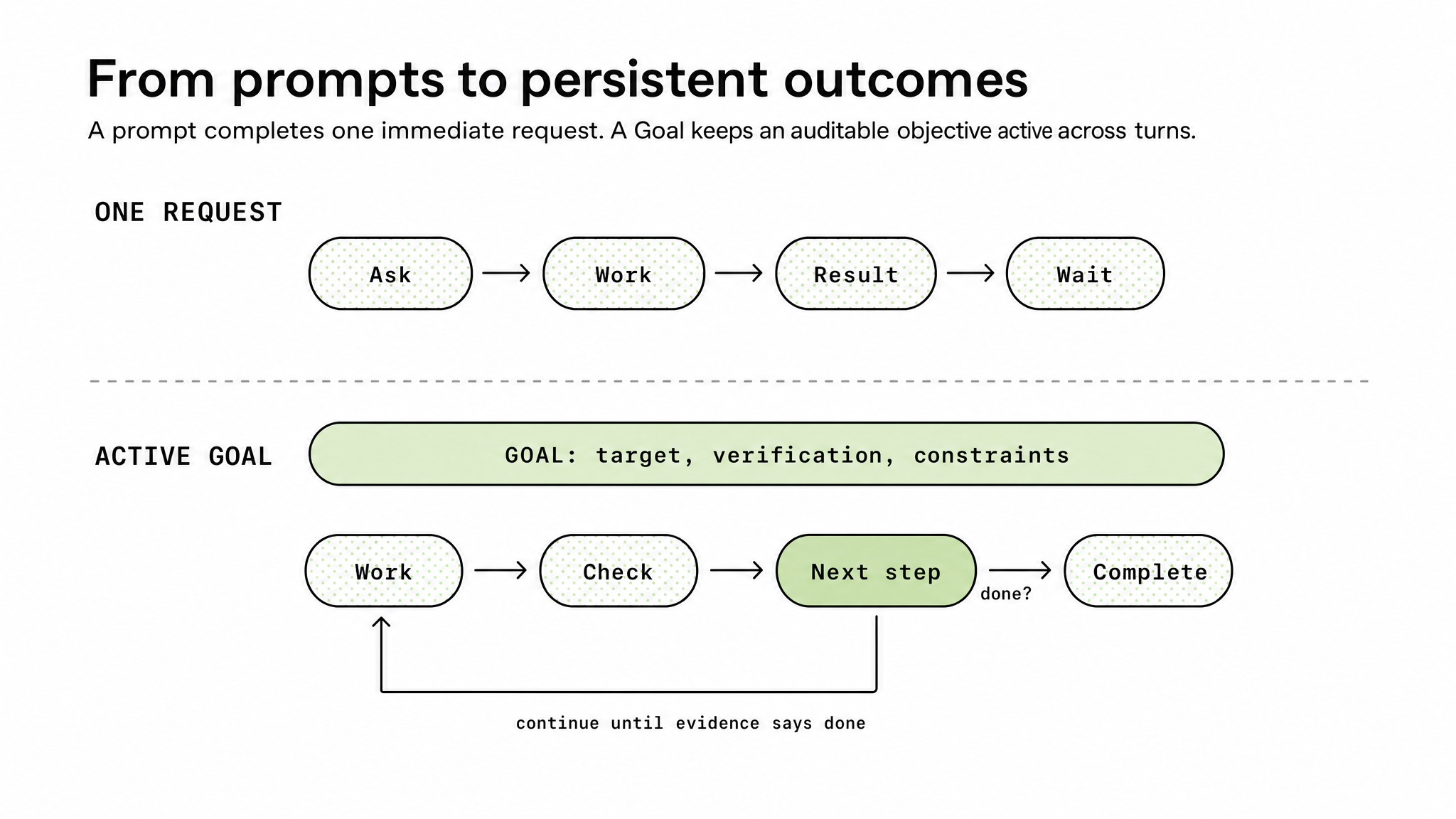
OpenAI Codex Goals turns long-running coding work into an evidence-based loop with objectives, verification surfaces, constraints, and budgets.
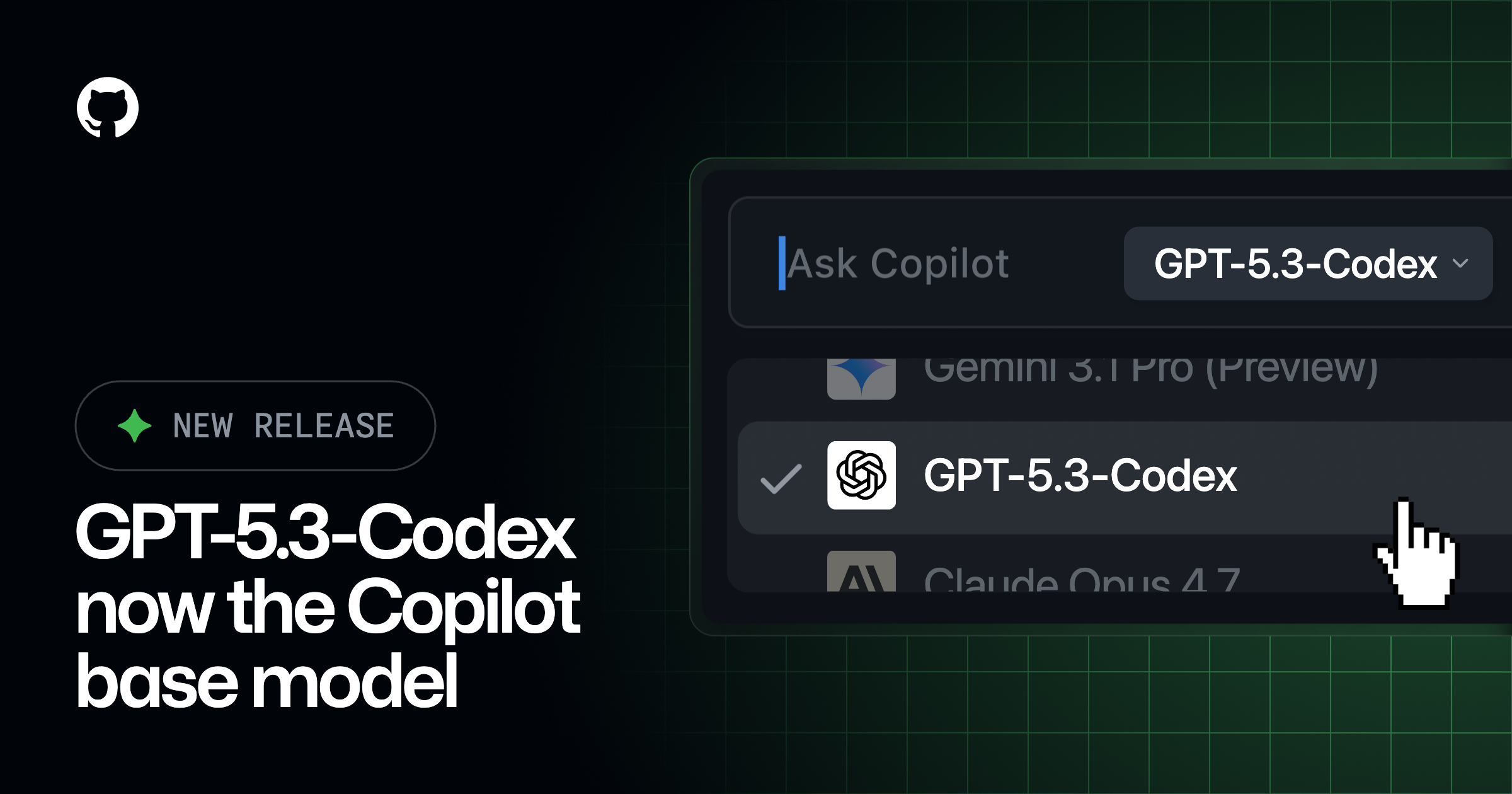
GitHub Copilot has moved GPT-5.3-Codex to the default model for Business and Enterprise. The bigger story is not speed, but lifecycle, billing, and governance.