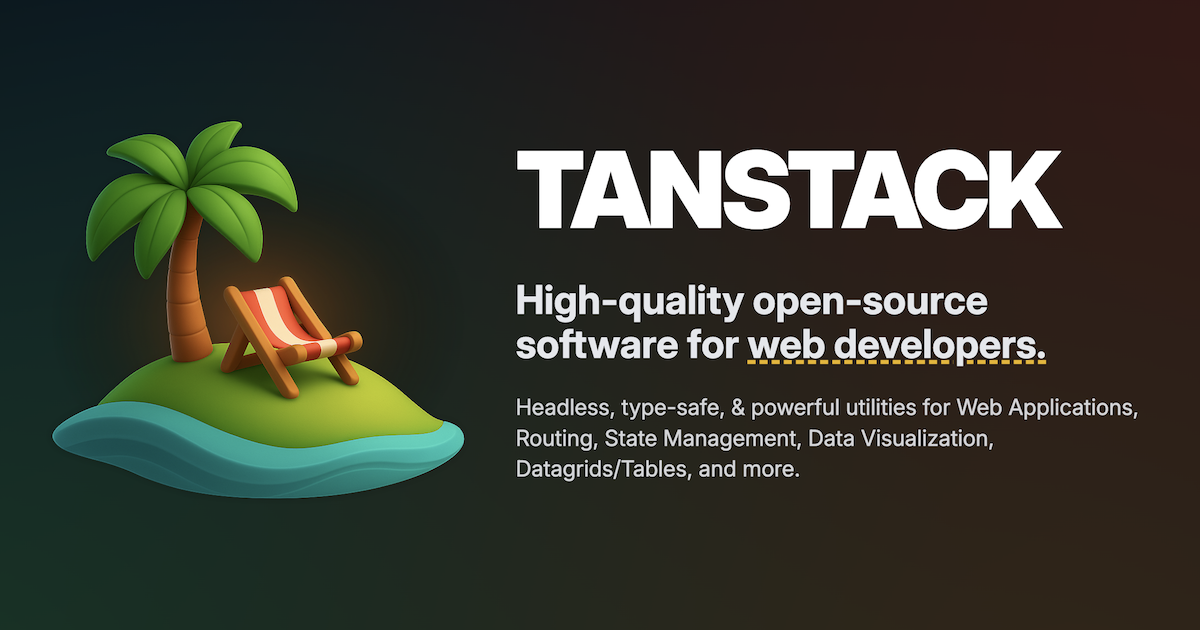
Security & Safety
Why OpenAI replaced certificates after signed malicious packages
The TanStack npm incident reached OpenAI Codex and ChatGPT Desktop certificate rotation, showing how AI development tools now inherit supply-chain trust risk.
The TanStack npm incident reached OpenAI Codex and ChatGPT Desktop certificate rotation, showing how AI development tools now inherit supply-chain trust risk.
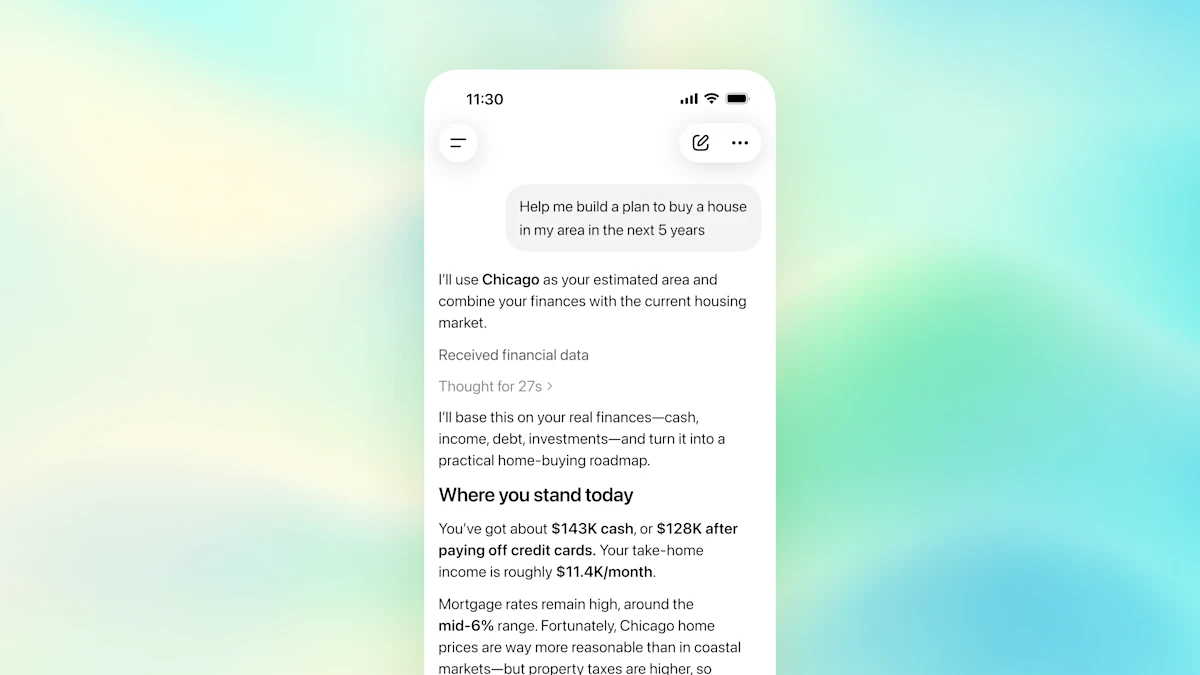
OpenAI brought personal finance into ChatGPT. The real story is not budgeting, but how AI products handle permission boundaries around sensitive money data.
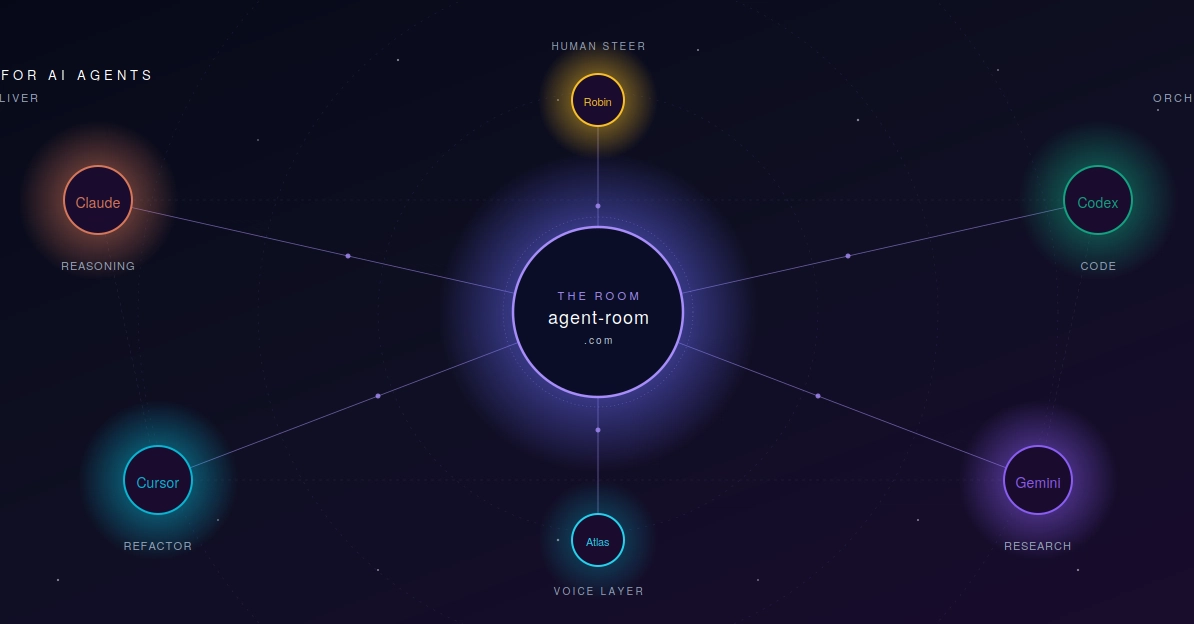
Agent Room combines MCP rooms and CLI stop hooks so Claude Code, Cursor, Codex, and Gemini can collaborate asynchronously around one shared transcript.

OpenAI and Malta’s AI for All program bundles AI literacy with one year of ChatGPT Plus or Microsoft 365 Copilot access.

OpenAI Deployment Company shows frontier AI competition shifting toward enterprise deployment, FDEs, governance, and private equity distribution.
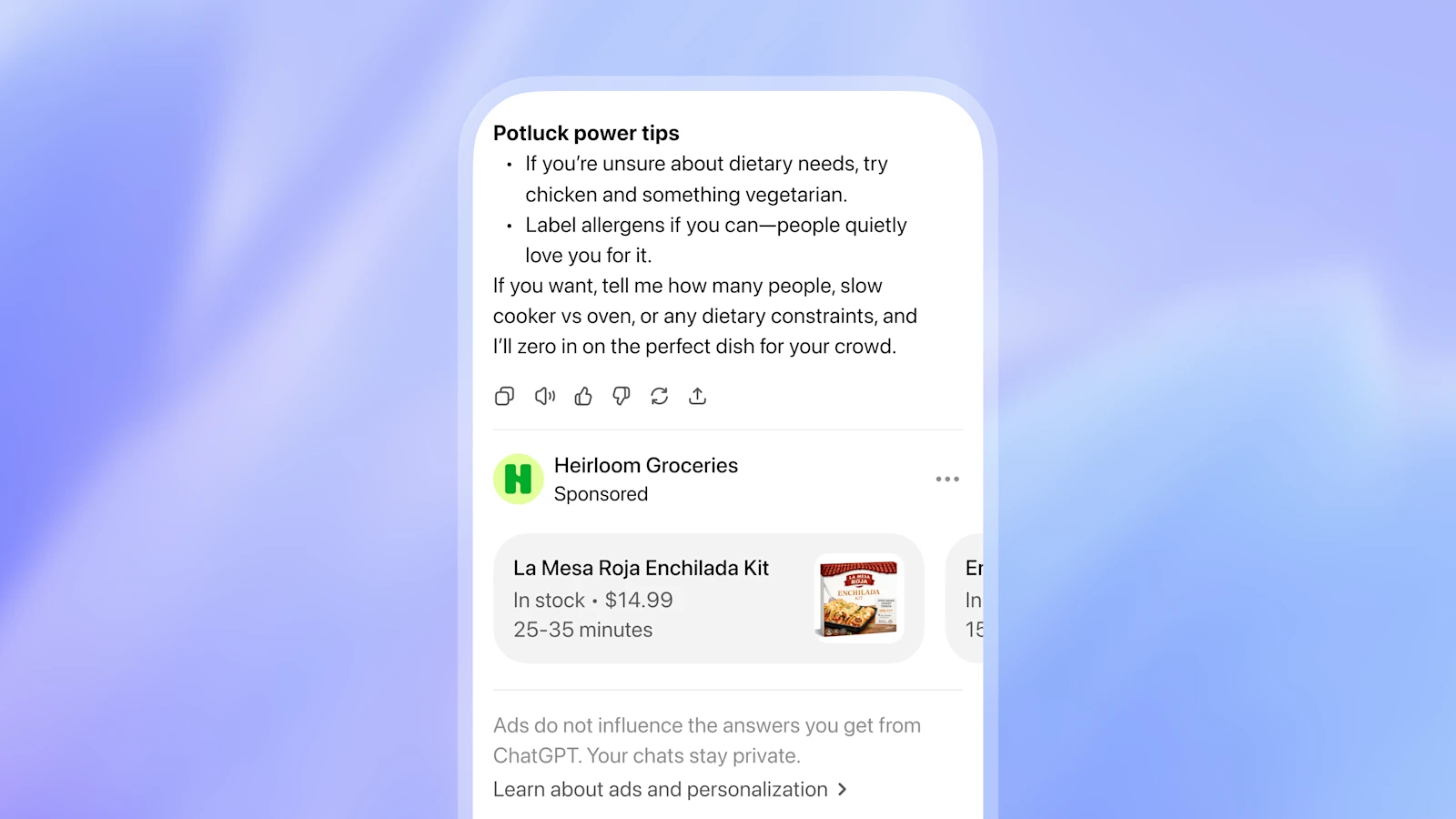
OpenAI introduced ChatGPT Ads Manager, CPC bidding, conversion measurement, and a pilot in the UK, Mexico, Brazil, Japan, and Korea. The hard question is where AI answers end and ads begin.
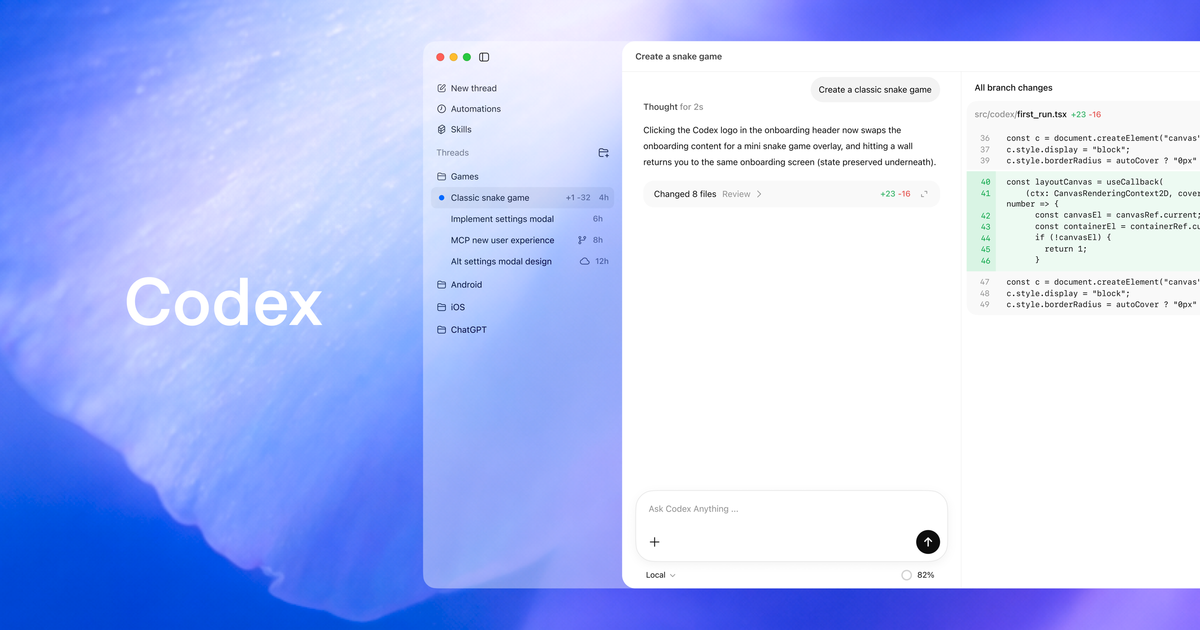
OpenAI Codex mobile preview shows the coding-agent race moving from model capability toward approvals, remote execution, and cost boundaries.
OpenAI launched a ChatGPT Finances preview with Plaid account linking. The bigger story is how AI agents earn access to sensitive financial context.

GPT-5.5 became the first model to pass 50% on Databricks OfficeQA Pro, showing that enterprise agents still fail on parsing, retrieval, permissions, and orchestration.
OpenAI Codex adds mobile remote access and automation tokens, shifting coding agents toward supervised execution, workspace identity, and audit.

Fiserv introduced agentOS with OpenAI and AWS, showing how banking AI agent competition is shifting from models to operations, audit, and marketplaces.

OpenAI’s Codex Windows sandbox design shows that local coding agent security is now an OS boundary problem, not only a model safety problem.