Models & Research
OpenAI and Anthropic move the model war into deployment
OpenAI and Anthropic are building enterprise AI deployment firms. The bottleneck is moving from APIs to FDEs, integration, and governance.
OpenAI and Anthropic are building enterprise AI deployment firms. The bottleneck is moving from APIs to FDEs, integration, and governance.

OpenAI Daybreak connects GPT-5.5-Cyber and Codex Security to vulnerability discovery, patch validation, detection, and audit evidence.

UiPath now connects Claude Code and Codex to its automation platform, moving the coding-agent race toward deployment, audit, and governance layers.

OpenAI published GPT-5.5-Cyber and Codex safety practices back to back. The coding-agent race is shifting from model quality to permissions, sandboxing, and audit logs.
OpenAI introduced GPT-Realtime-2, GPT-Realtime-Translate, and GPT-Realtime-Whisper for the Realtime API. The launch moves voice AI competition from audio quality toward reasoning, tool use, and operational reliability.
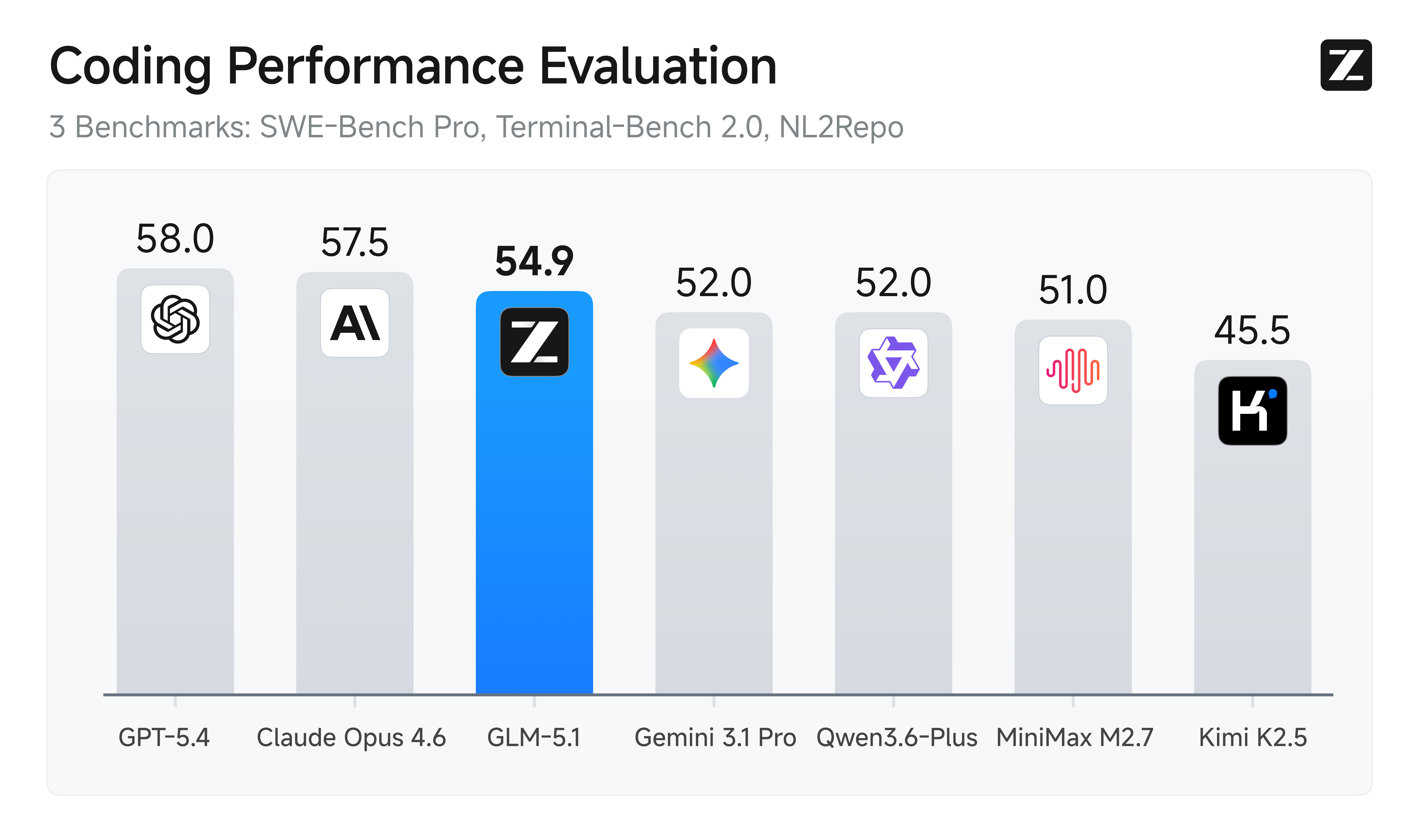
China-based Z.ai released GLM-5.1 under MIT terms and topped SWE-Bench Pro with a 744B MoE coding model, sharpening the open-source versus closed-model split.

Microsoft released MAI-Transcribe-1, MAI-Voice-1, and MAI-Image-2 across speech transcription, voice generation, and image generation, turning its OpenAI backup plan into a product stack.

StepFun Step 3.5 Flash activates only 11B parameters inside a 196B MoE model, posts strong math and coding benchmarks, and ships as Apache 2.0 open weights.