AI Coding
CodeGraph Hits 31.5k Stars With a Local Index for Cheaper Coding Agents
CodeGraph v0.9.7 tries to cut the repository-reading cost of Claude Code, Codex, Cursor, and other coding agents with a local code graph.
CodeGraph v0.9.7 tries to cut the repository-reading cost of Claude Code, Codex, Cursor, and other coding agents with a local code graph.
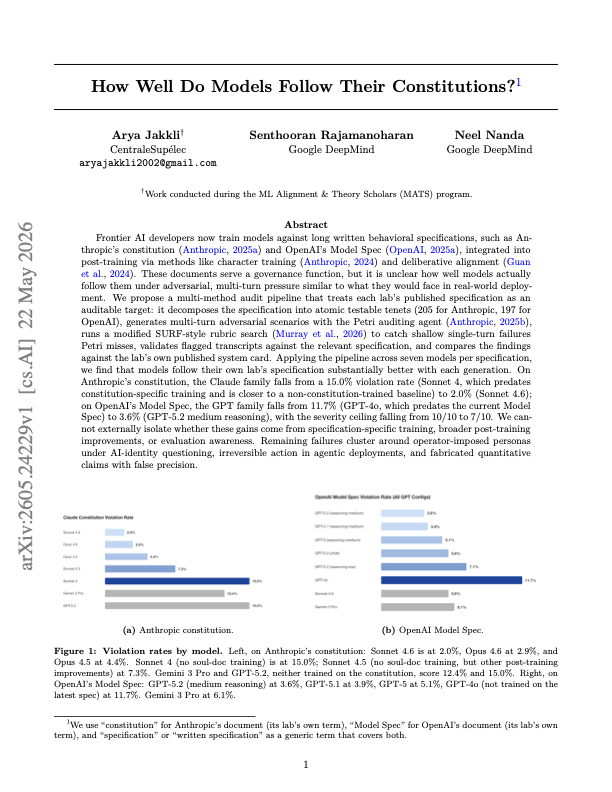
A new paper turns Claude Constitution and OpenAI Model Spec into testable audit targets, showing how model policies are becoming benchmarks.
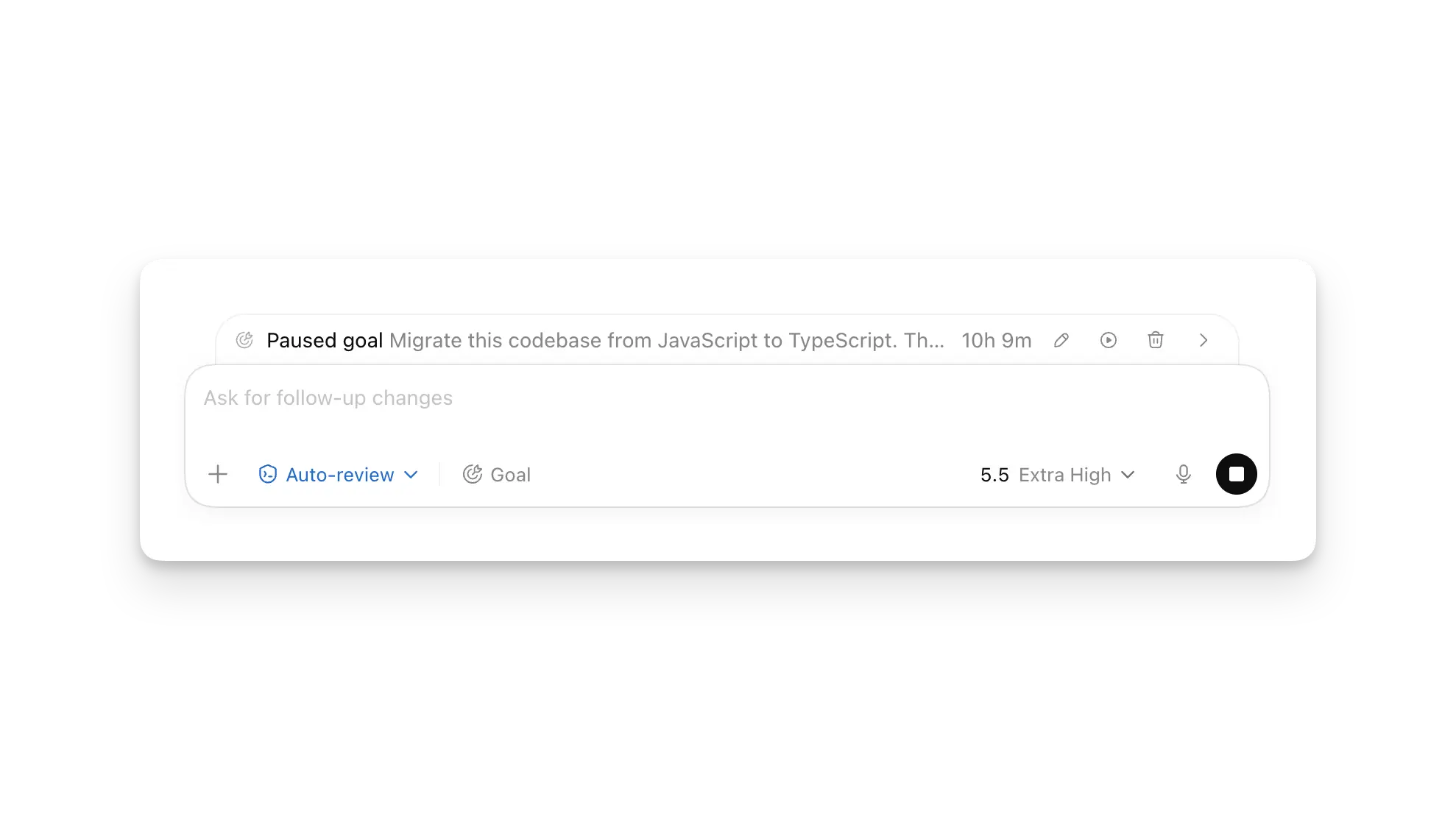
OpenAI added Appshots, Goal mode GA, browser annotations, locked computer use, and admin analytics to Codex. The update shows coding agents becoming longer-running workers.
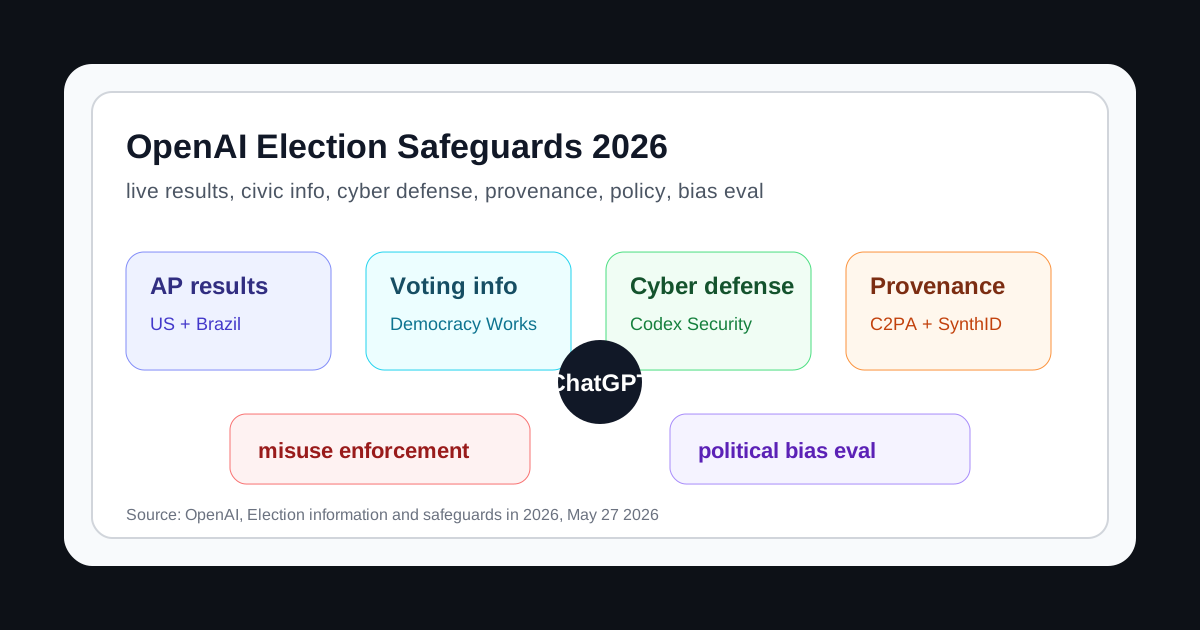
OpenAI outlined its 2026 election safeguards, combining AP vote counts, voting information, Codex Security, SynthID, usage policy, and political bias evaluations.
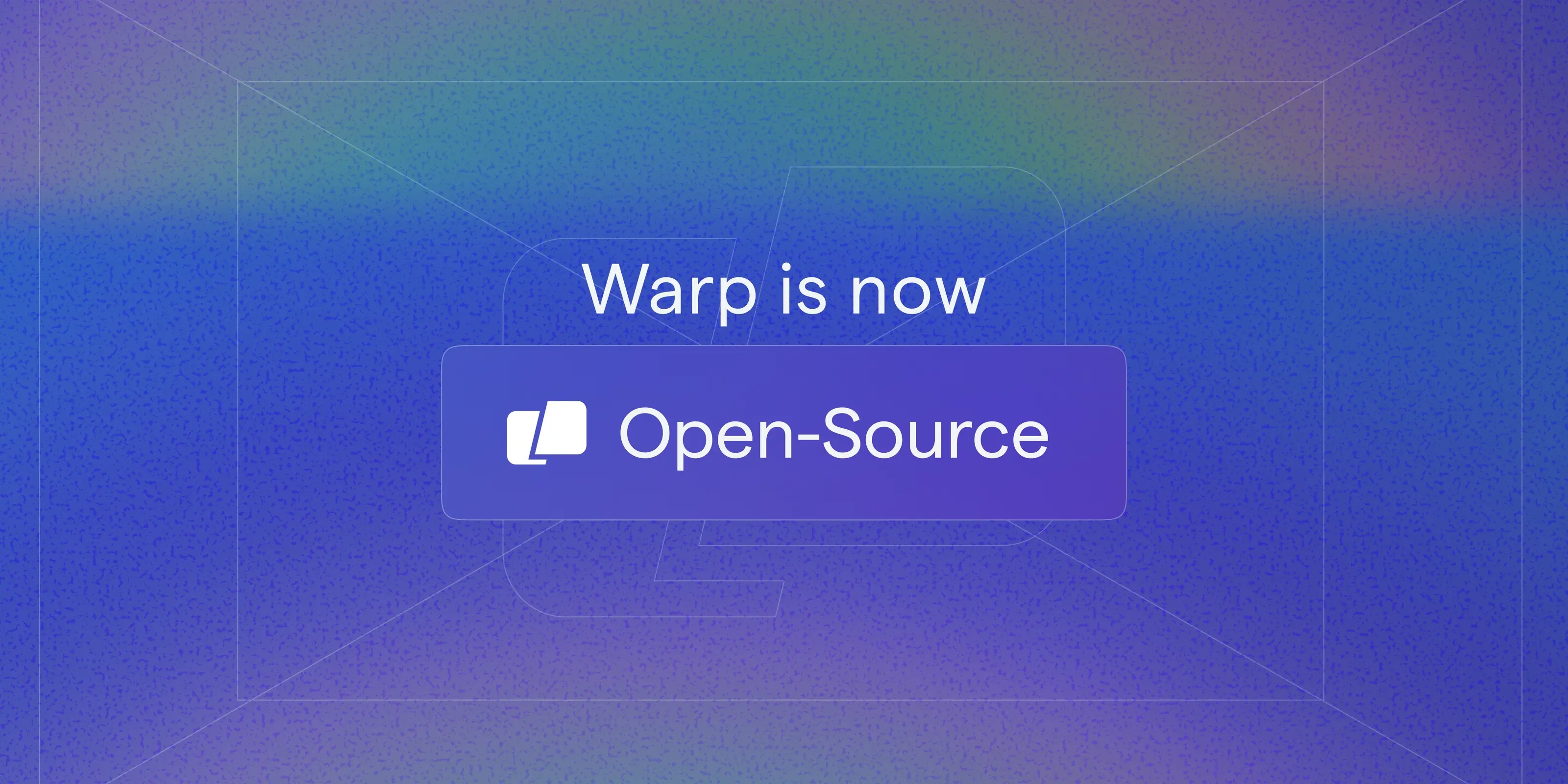
OpenAI and Warp show that the coding-agent race is shifting from code generation to open-source verification, observability, and agent orchestration.
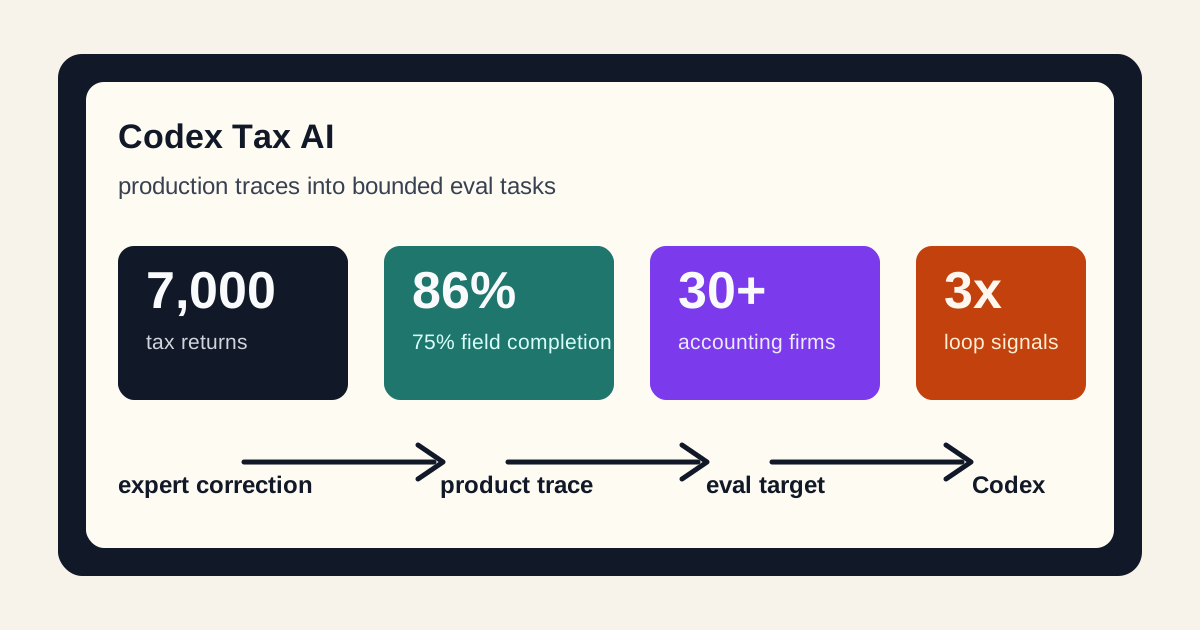
OpenAI Tax AI shows why production traces, eval sets, and practitioner feedback matter more than agent automation alone.
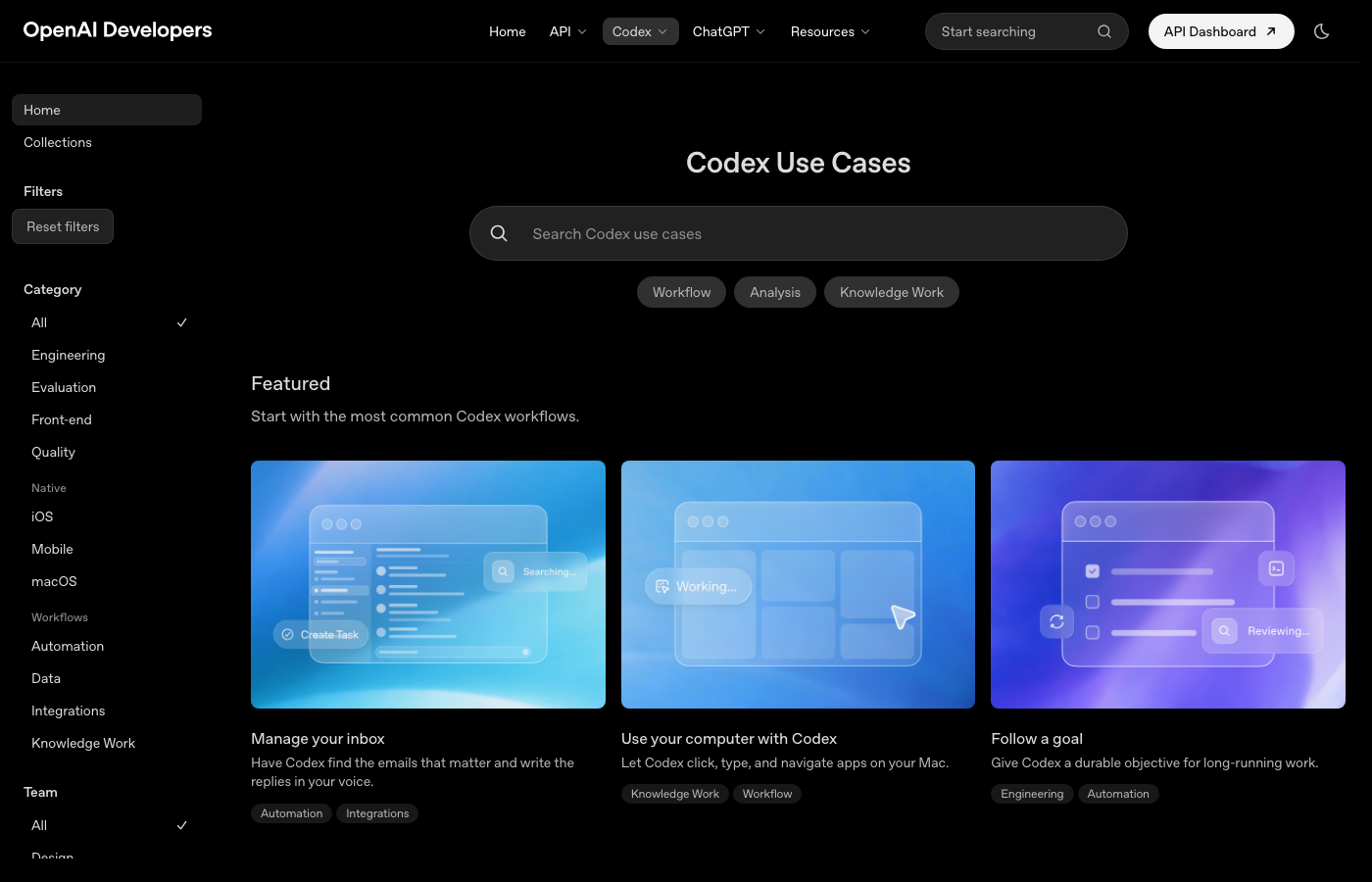
OpenAI Codex use cases now span inboxes, data, finance, QA, app automation, and collaboration, a sign that coding agents are becoming work agents.
OpenAI Agents SDK memory and the AMP v0.1 draft turn long-term agent memory into files, Git history, MCP resources, and auditable state.
OpenAI Codex adds Appshots, Goal mode, browser annotations, and locked computer use, pushing coding agents toward longer-running local workflows.

OpenAI’s unit-distance counterexample shows that AI research automation depends less on answer generation than on proofs experts can inspect.
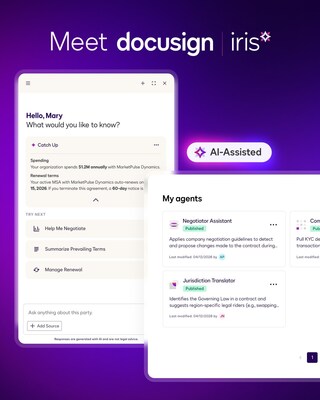
Docusign Iris Agents and its MCP beta show how agreement data can become a callable work surface for Claude, Gemini, and ChatGPT.
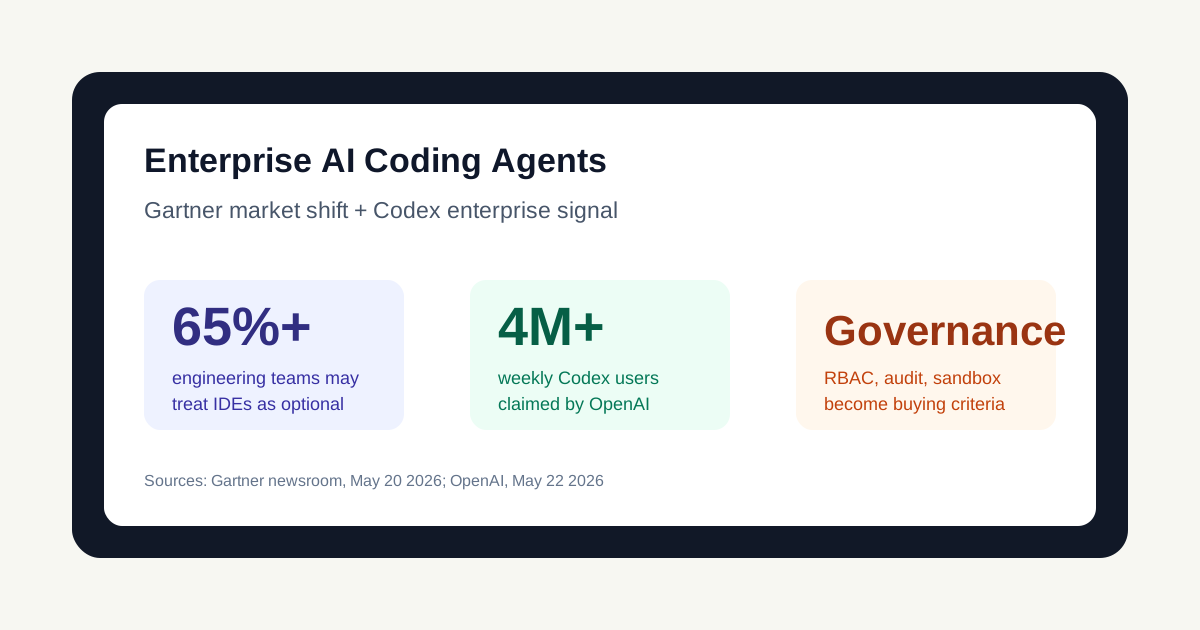
Gartner and OpenAI show how AI coding agents are moving from model benchmarks toward governance, sandboxing, auditability, and cost control.