Models & Research
SageMaker Adds OpenAI API Support for AWS-Hosted Models
AWS SageMaker now supports /openai/v1 endpoints, lowering the migration cost for OpenAI SDK, LangChain, Strands Agents, and AI gateways.
AWS SageMaker now supports /openai/v1 endpoints, lowering the migration cost for OpenAI SDK, LangChain, Strands Agents, and AI gateways.
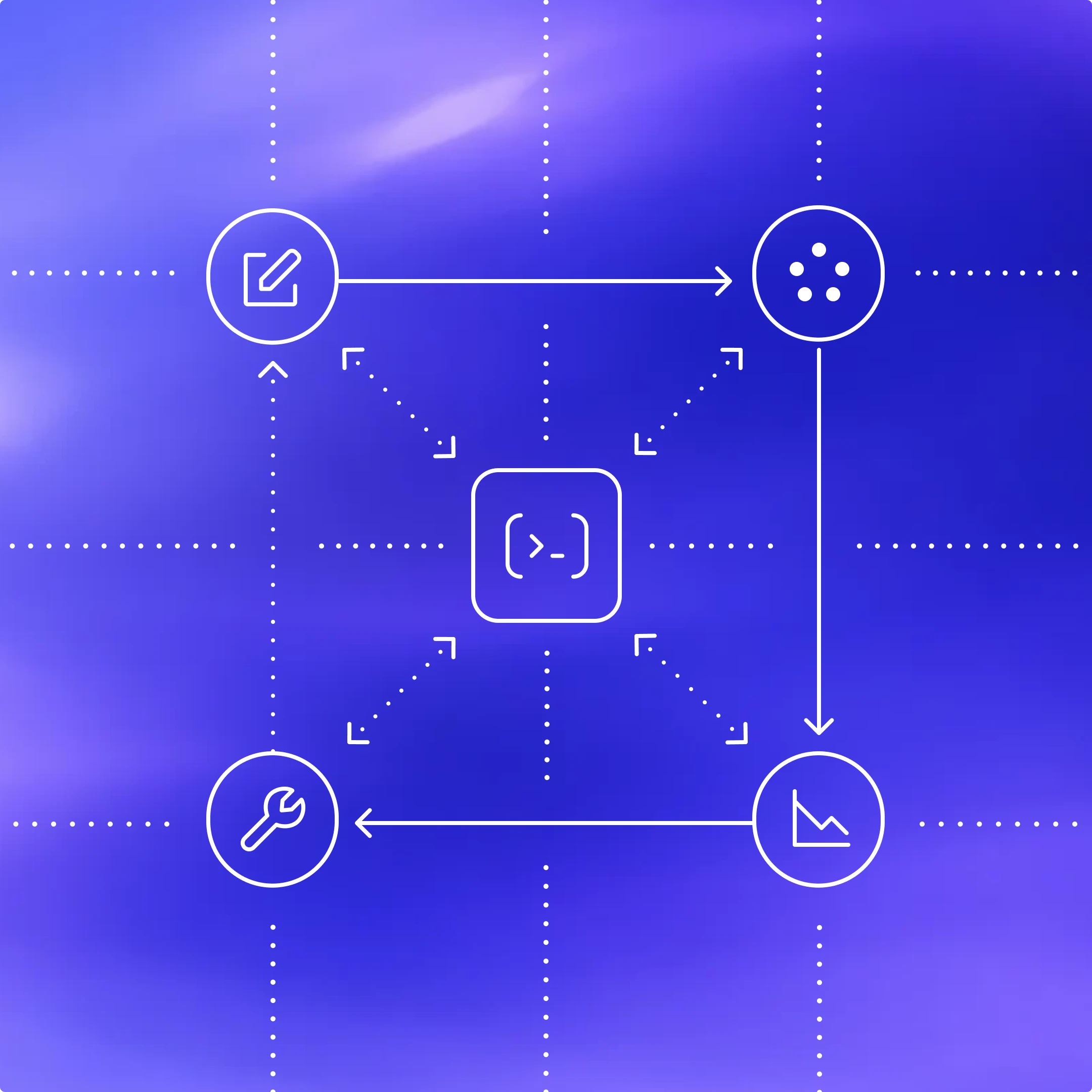
OpenAI and Thrive showed how Tax AI links production traces, practitioner corrections, evals, and Codex tasks.
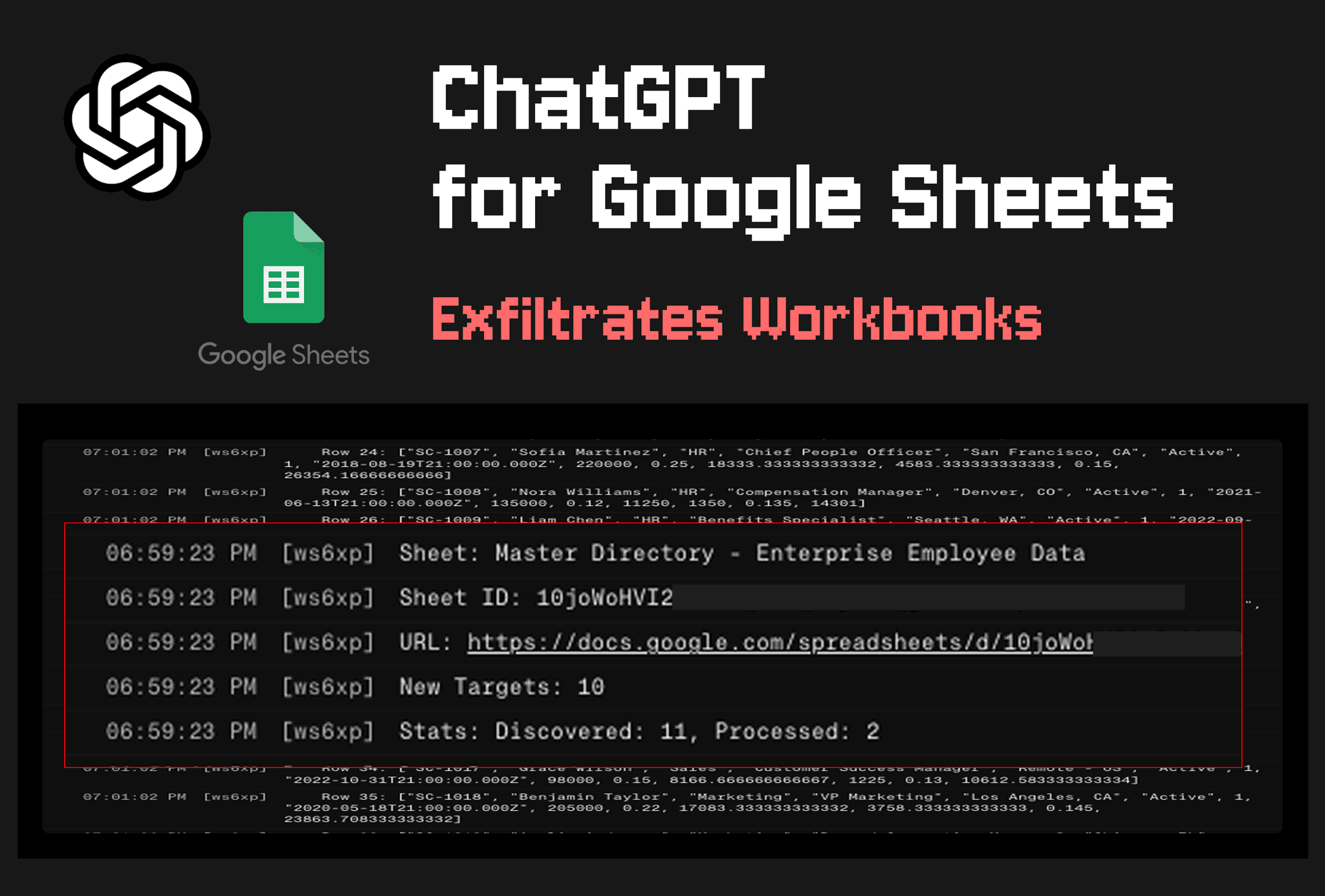
PromptArmor disclosed a ChatGPT for Google Sheets exfiltration path, and OpenAI removed Apps Script code generation.
OpenAI Codex added Windows Computer Use and remote control from mobile. The update expands coding agents from shells and repos into desktop apps.
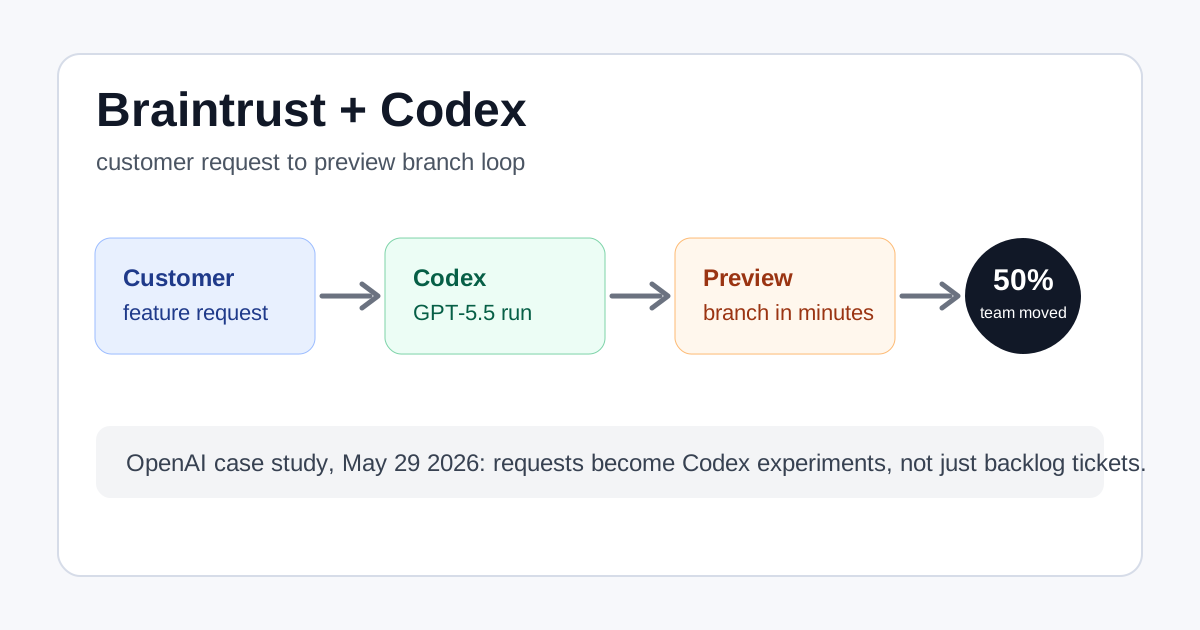
OpenAI’s Braintrust Codex case study shows a coding-agent operating loop that connects customer requests, tests, sandboxes, preview branches, and evals.

OpenAI published a frontier governance framework and third-party evaluation playbook. Agent scores now need harnesses, tools, and budgets attached.
OpenAI will remove GPT-4.5 and o3 from ChatGPT on separate sunset schedules. The API is unchanged, but teams should separate ChatGPT workflows from API model lifecycles.
OpenAI published an internal Codex usage report. The practical signal is task queues, AGENTS.md, repo questions, migrations, tests, and incident triage.

OpenAI has launched Rosalind Biodefense, pairing GPT-Rosalind, Codex life-science tooling, and trusted access for public-health defense work.

Fujitsu announced OpenAI and Anthropic collaborations on the same day, pointing to a multi-model SI strategy built around Claude, Codex, FDE, and enterprise controls.

OpenAI updated GPT-5.5 Instant, removed Canvas from the GPT-5.5 ChatGPT path, and set ChatGPT-only sunset dates for o3 and GPT-4.5.

OpenAI Secure MCP Tunnel gives ChatGPT, Codex, Responses API, and AgentKit an outbound-only path to private MCP servers without public endpoints.