
Security & Safety
ChatGPT Dreaming V3 Turns Memory Into a Privacy Burden
OpenAI rolled out ChatGPT Dreaming V3. Automatic memory synthesis improves personalization, but makes deletion, source tracing, and review UX harder.
OpenAI rolled out ChatGPT Dreaming V3. Automatic memory synthesis improves personalization, but makes deletion, source tracing, and review UX harder.

RelationalAI expanded Rel inside Snowflake with a GA prescriptive reasoner, OSI porting, and coding skills for CoCo, Claude Code, Codex, and Copilot.
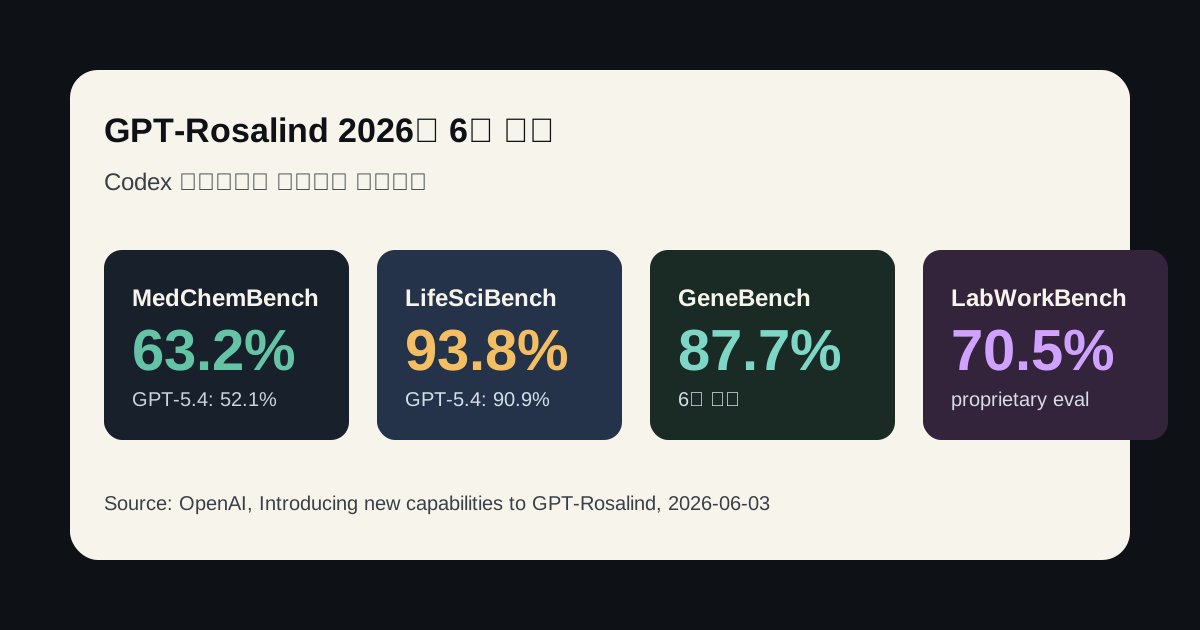
OpenAI updated GPT-Rosalind with LifeSciBench, MedChemBench, GeneBench, LabWorkBench scores and Codex life-science plugins.
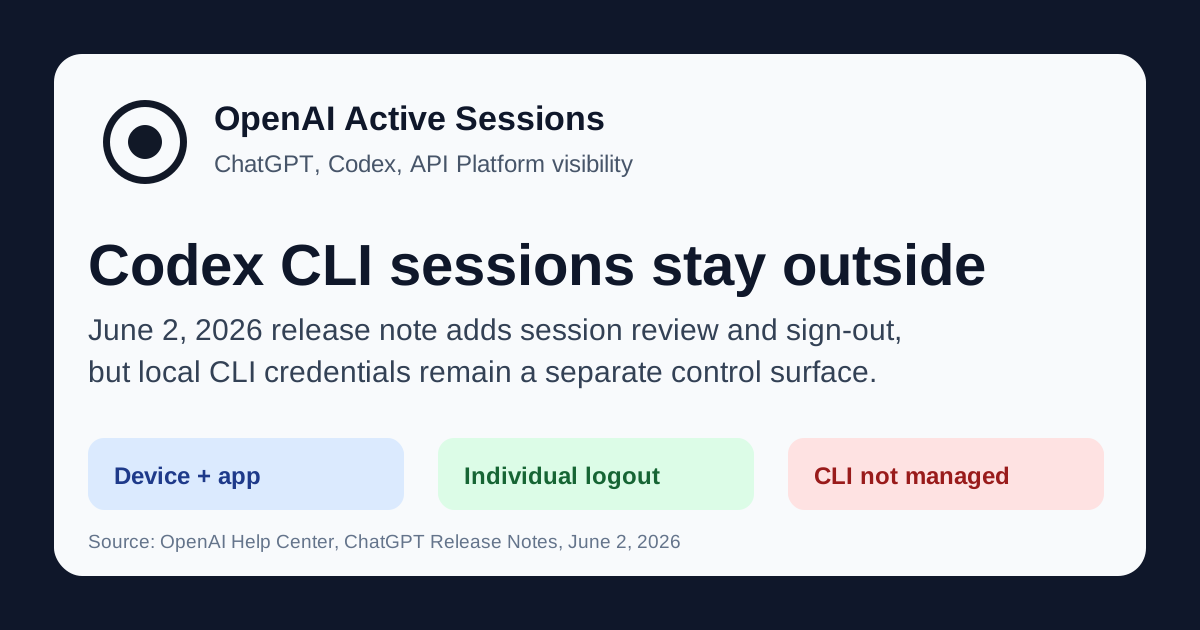
OpenAI Active sessions now shows ChatGPT, Codex, and API sessions, but Codex CLI credentials and connected apps still need separate cleanup.
The codexui-android npm package stole Codex authentication tokens, pushing AI coding-agent security into install, artifact, and egress controls.
OpenAI introduced ChatGPT Sites in preview for Business and Enterprise workspaces, turning Codex outputs into shared internal apps with new governance questions.

Microsoft introduced MAI-Thinking-1 and seven in-house MAI models, bringing 35B active reasoning, 256K context, and Foundry private preview into focus.
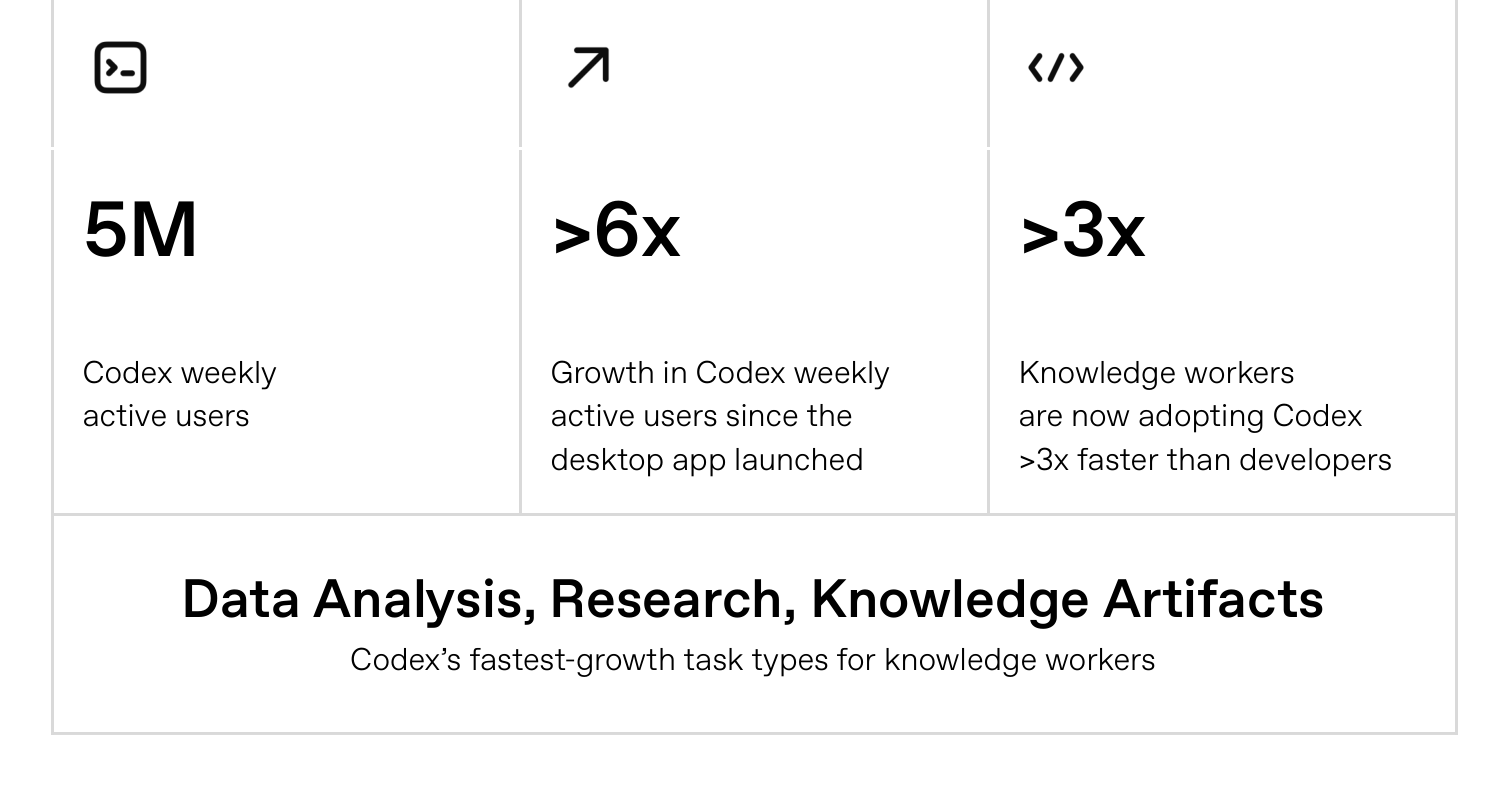
OpenAI says Codex now has more than 5 million weekly users, with knowledge workers using it for reports, contracts, spreadsheets, data analysis, and internal tools.
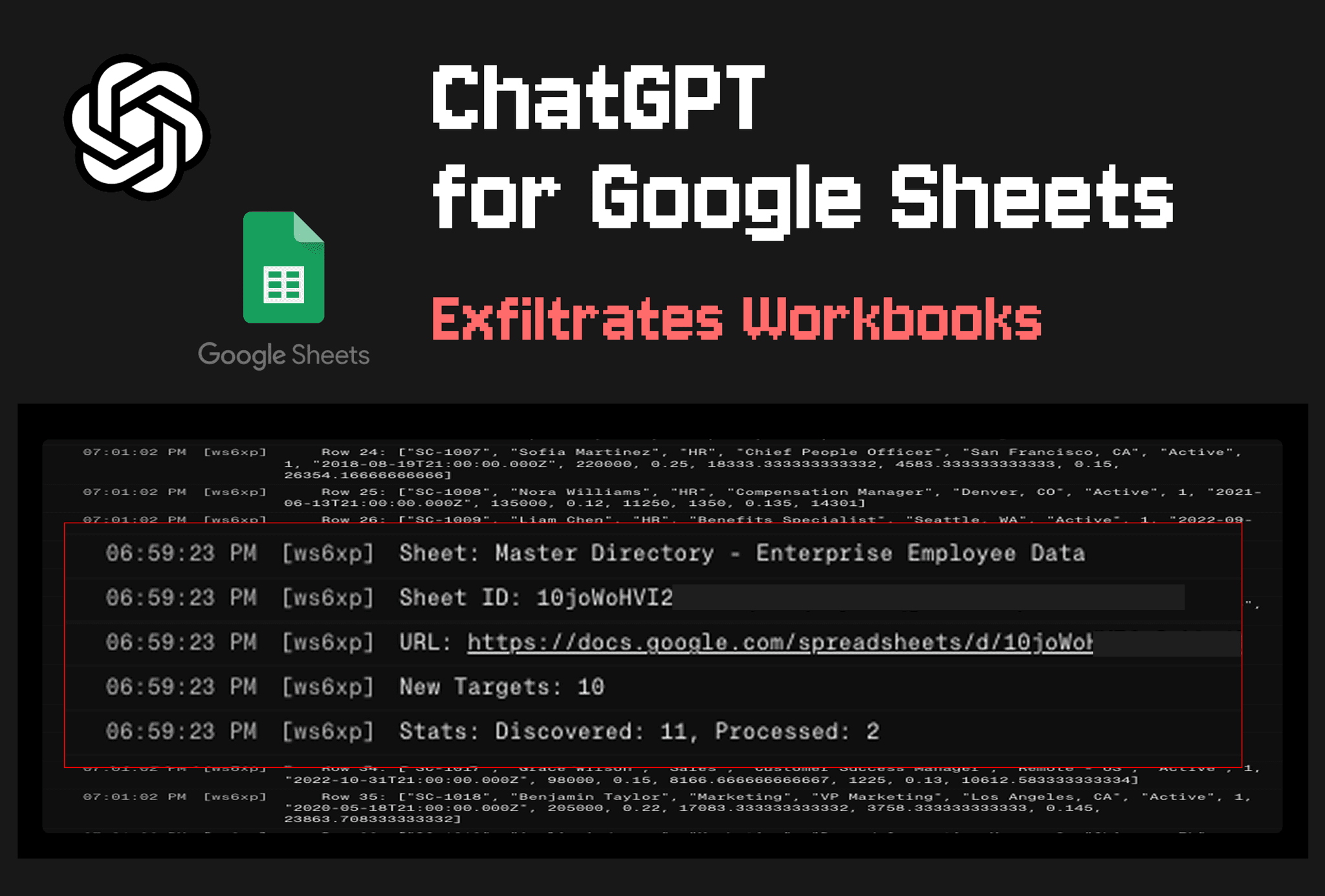
PromptArmor disclosed an indirect prompt injection chain in ChatGPT for Google Sheets. OpenAI responded by removing Apps Script generation.
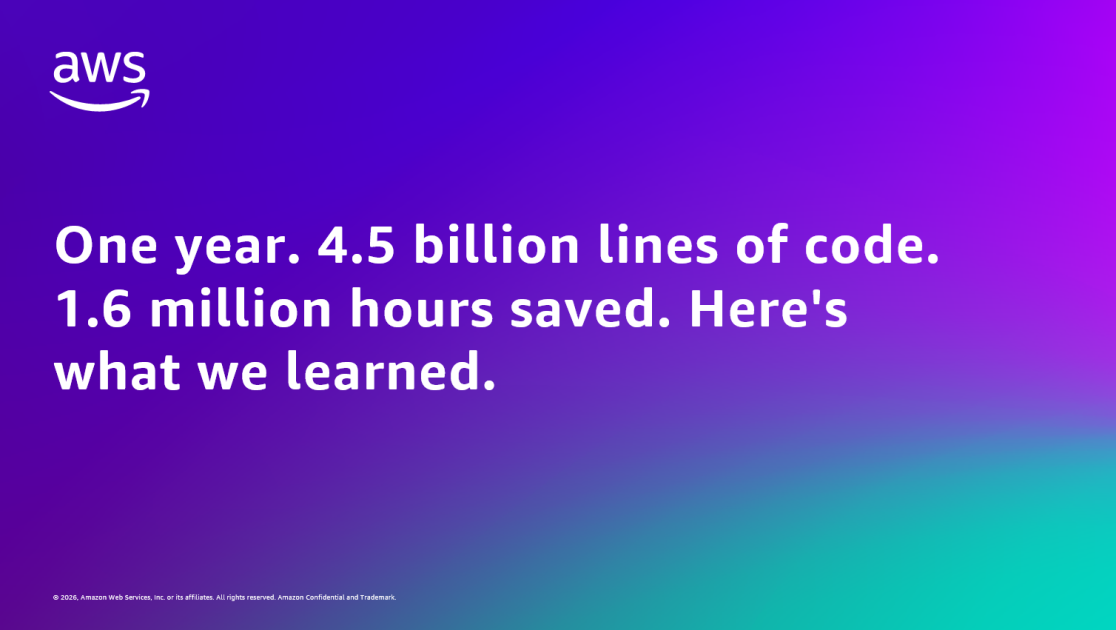
AWS Transform agents now run through Kiro, Claude Code, Cursor, Codex, plugins, and MCP, with AWS claiming 4.5B+ processed lines and 1.6M+ saved hours.
OpenAI GPT-5.5, GPT-5.4, and Codex are generally available on Amazon Bedrock, shifting authentication, billing, and feature boundaries into AWS.

Tether QVAC published a Vercel AI SDK provider for local OpenAI-compatible servers. Here is what it changes for agents, TypeScript apps, and local AI routing.