AI Coding
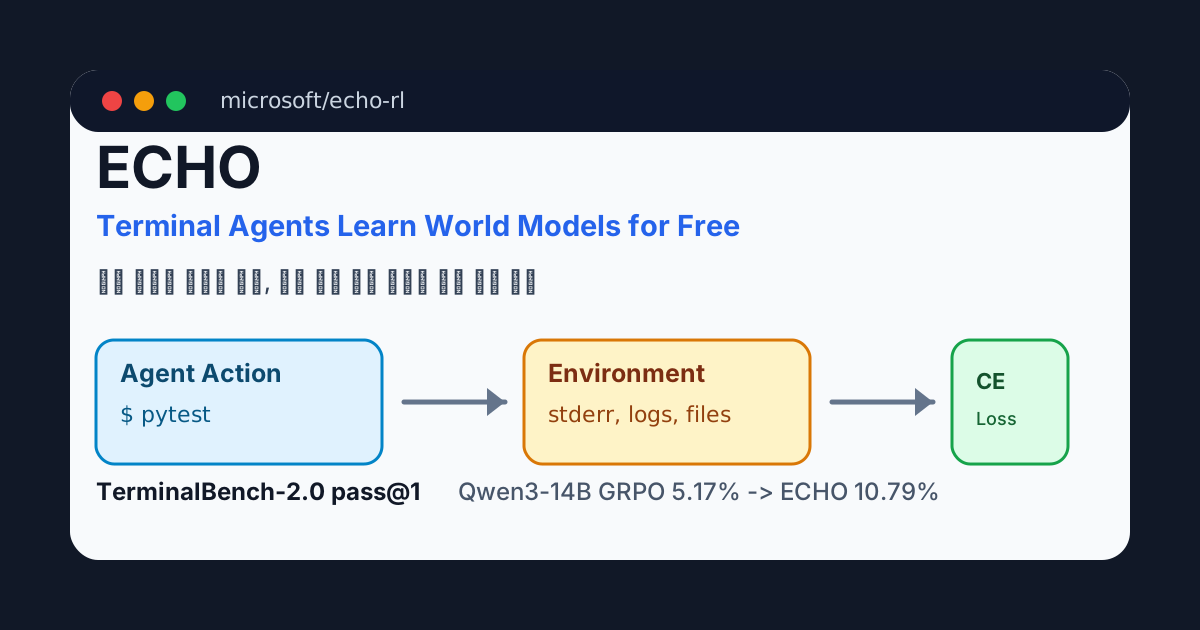
ECHO makes stderr part of the coding agent world model
Microsoft Research ECHO turns terminal output into a direct learning signal so coding agents can learn from failed logs, not only final rewards.
Microsoft Research ECHO turns terminal output into a direct learning signal so coding agents can learn from failed logs, not only final rewards.
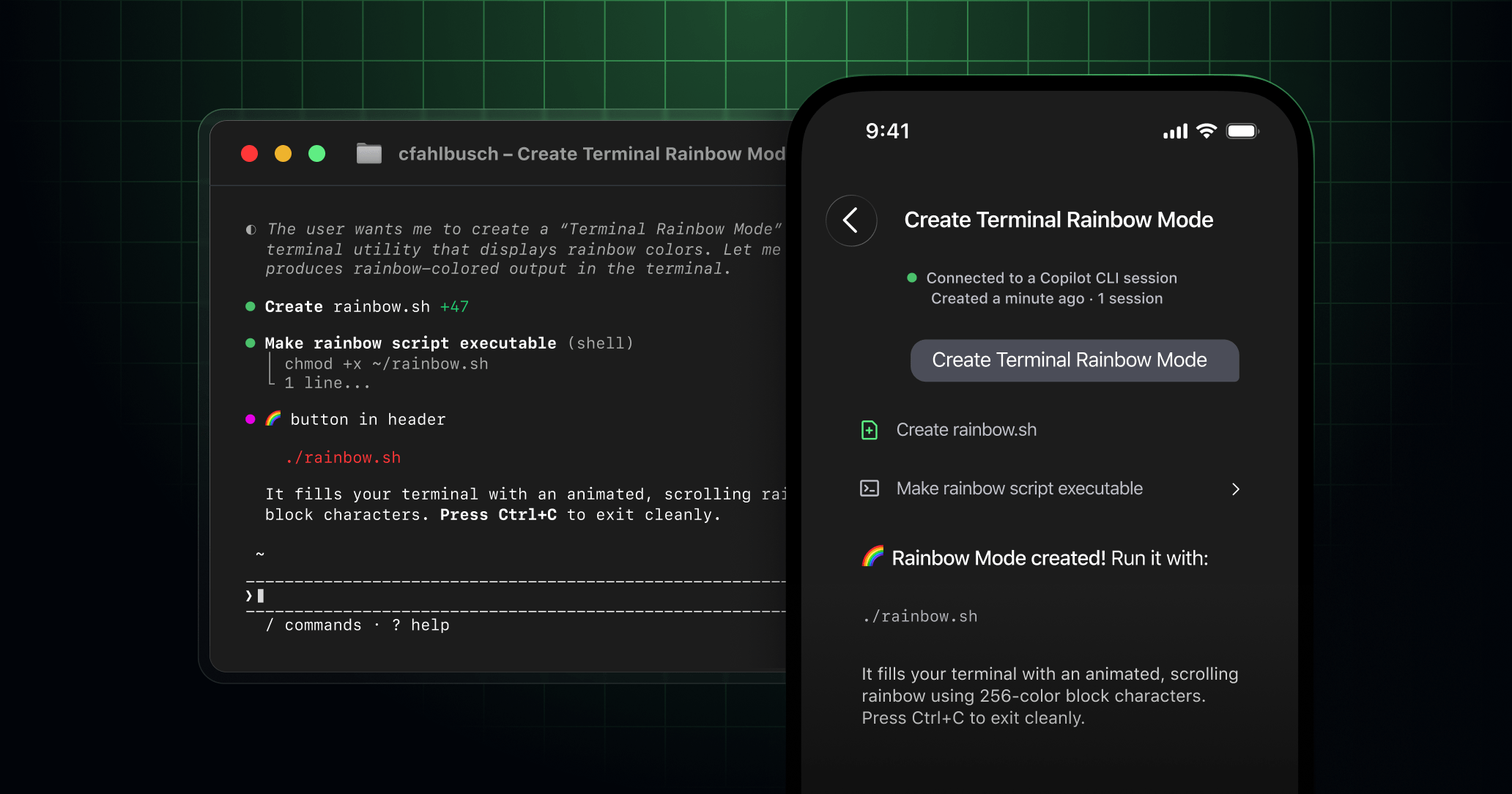
GitHub’s May 18 Copilot updates link remote control, low-cost models, CI repair, and audit APIs into a control plane for coding agents.
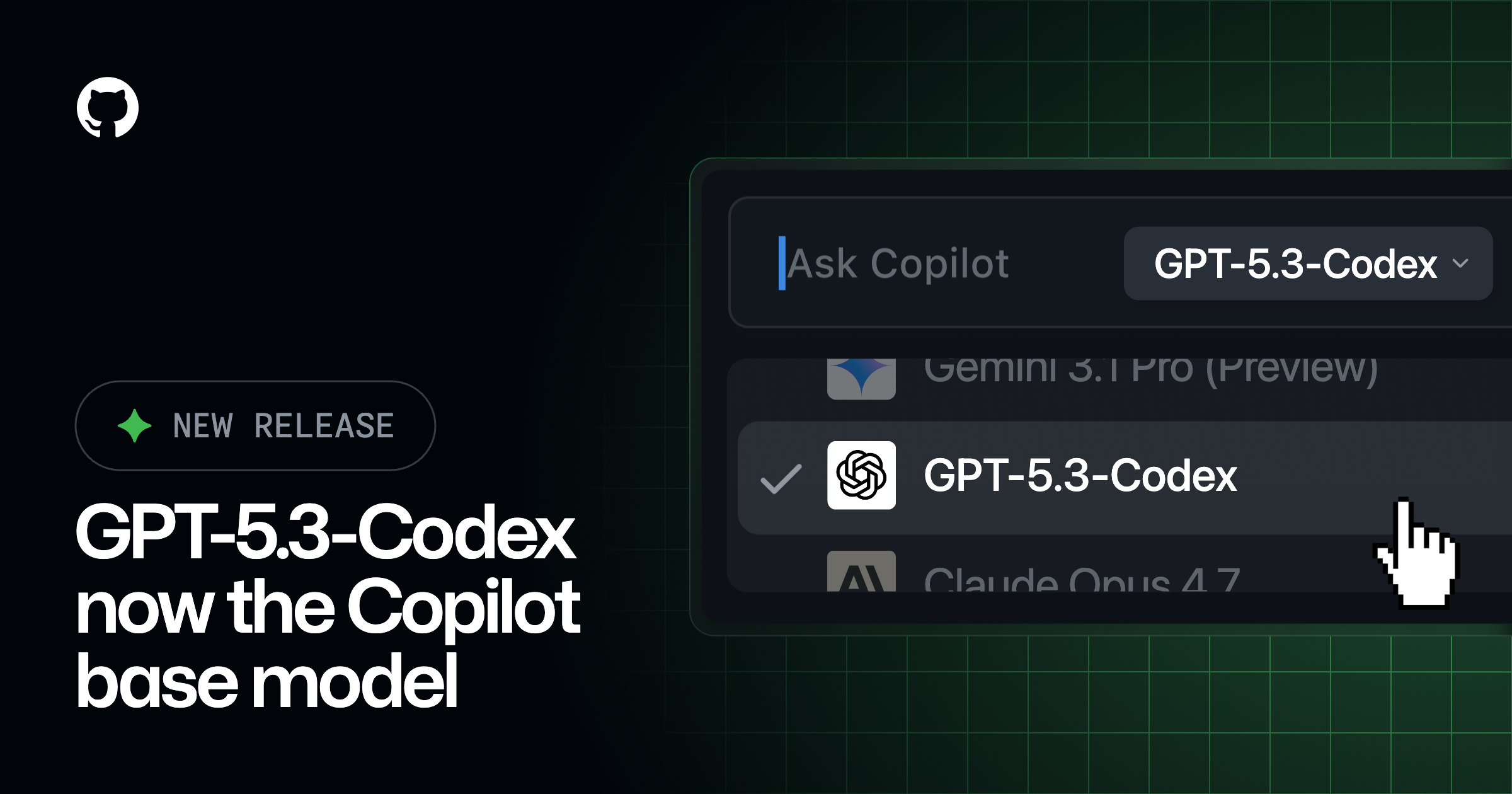
GitHub Copilot has moved GPT-5.3-Codex to the default model for Business and Enterprise. The bigger story is not speed, but lifecycle, billing, and governance.
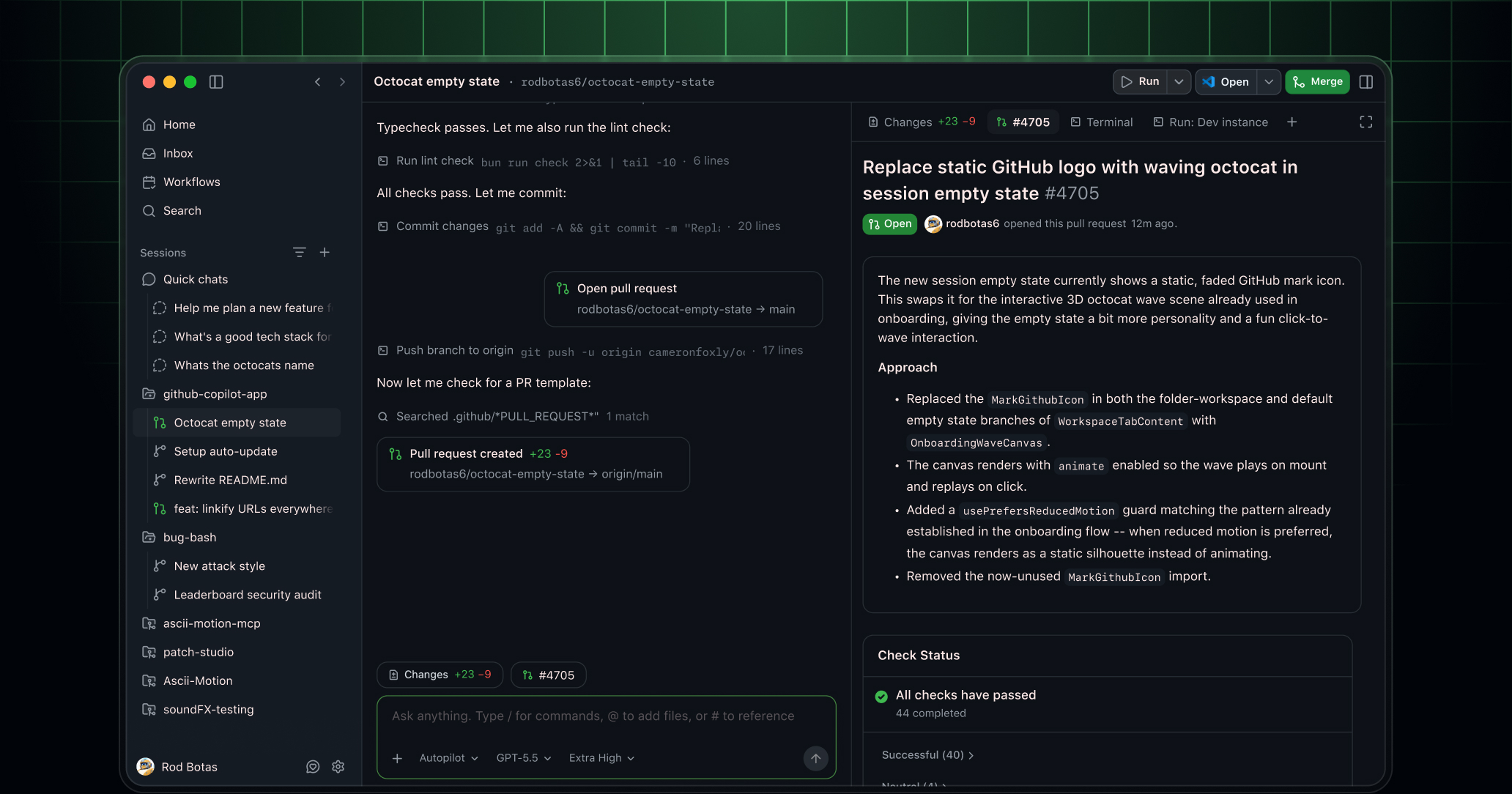
The GitHub Copilot app technical preview moves coding agents from IDE assistance into issues, verification, pull requests, and merge follow-through.

Microsoft Research released SocialReasoning-Bench, arguing that agent evals must measure whether agents represent user interests, not only whether tasks finish.

Microsoft found exposed AI apps, 15% unauthenticated MCP servers, and Mage AI and kagent cases where defaults became real attack paths.
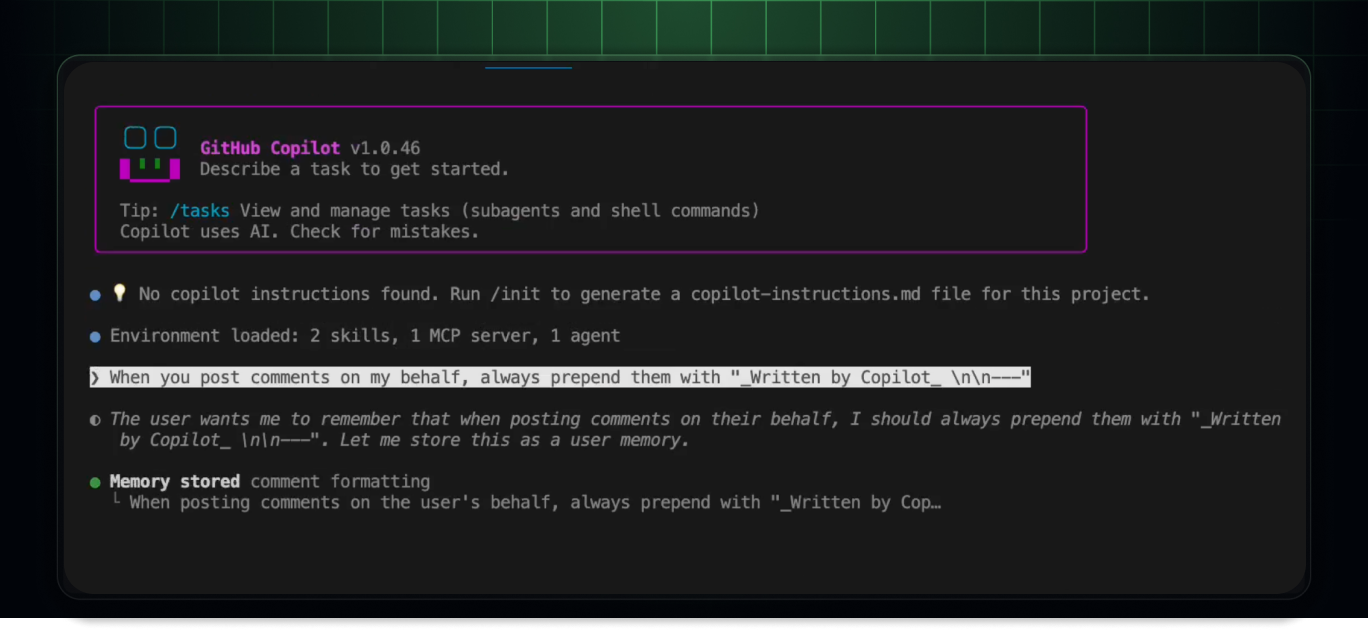
GitHub Copilot Memory user preferences show coding agents moving from answer quality toward persistent context, work habits, and trust management.
GitHub removed Grok Code Fast 1 from Copilot while xAI redirects the retired slug to Grok 4.3. The real issue is coding-agent model routing, cost drift, and operational control.
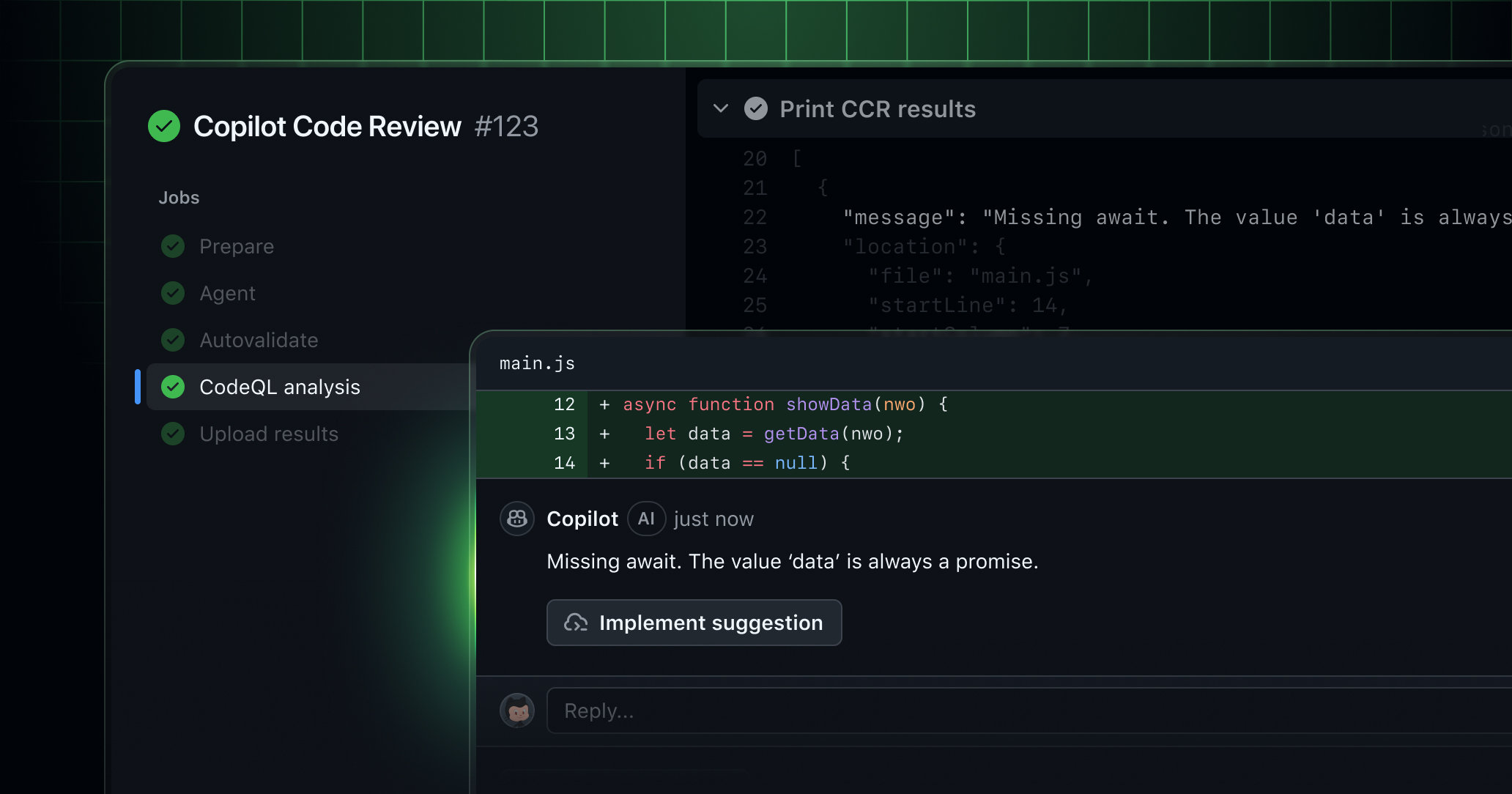
GitHub Copilot code review will consume both AI Credits and Actions minutes from June 1. AI review is becoming an operational CI workload.
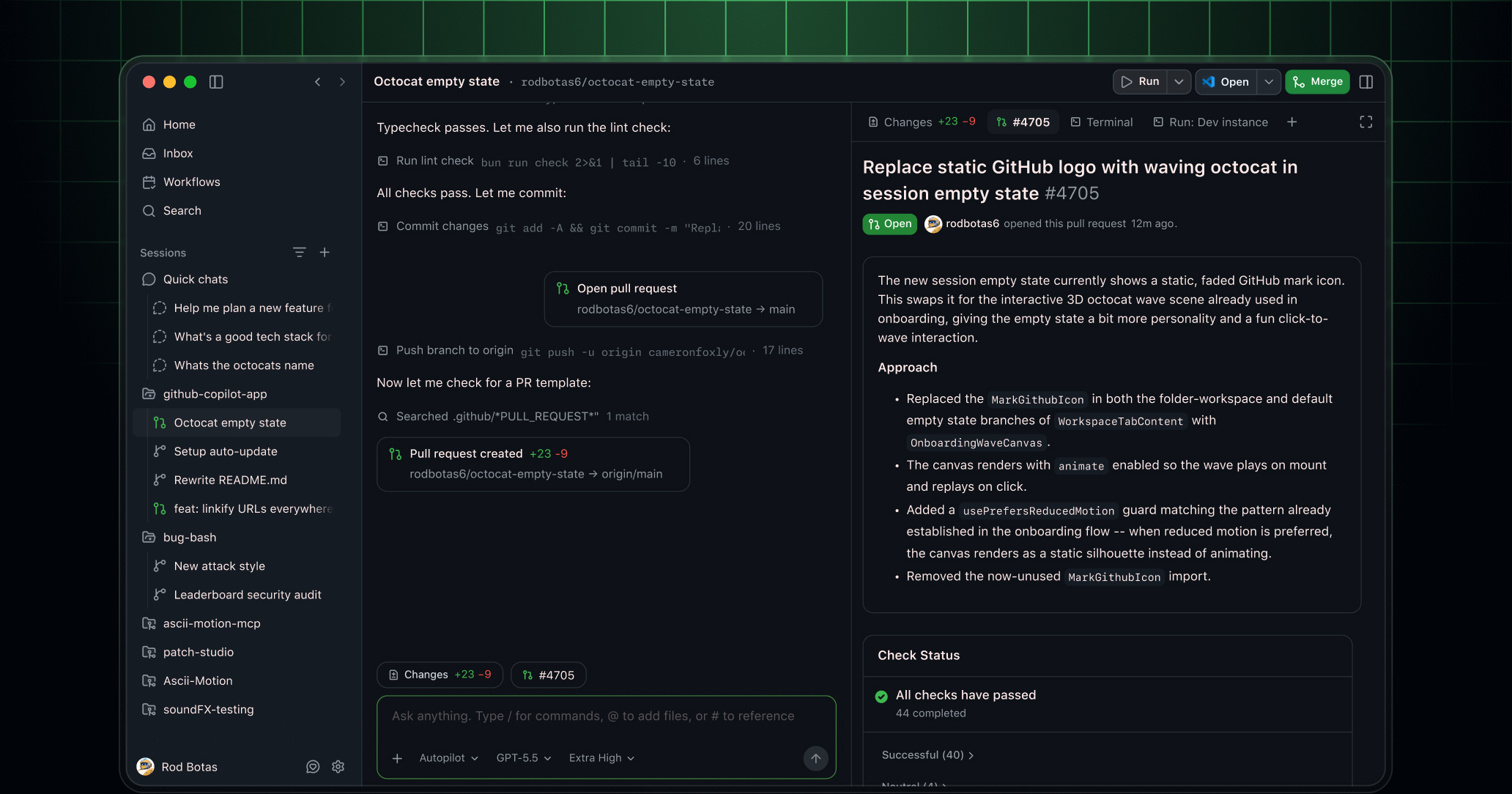
GitHub Copilot App technical preview and the VS Code harness write-up show AI coding competition moving from model choice to execution loops and PR lifecycle control.

GitHub accessibility agent pilot shows what AI code review needs when quality assurance depends on data, escalation gates, and human judgment.

GitHub Copilot is introducing AI Credits and a $100 Max plan, turning agentic coding from a flat subscription into metered developer infrastructure.