
AI Coding
MAI-Code-1-Flash shows Microsoft’s Copilot token-cost strategy
Microsoft MAI-Code-1-Flash is rolling into Copilot with 137B MoE, 5B active parameters, 256K context, and new AI Credits economics.
Microsoft MAI-Code-1-Flash is rolling into Copilot with 137B MoE, 5B active parameters, 256K context, and new AI Credits economics.
GitHub expanded the Copilot app technical preview to paid users, while canvases move agent work into reviewable plans, PRs, terminals, and browser sessions.
Microsoft introduced Rayfin and Fabric Apps preview so AI-built apps can deploy with Fabric database, authentication, GraphQL, and governance.
Microsoft tied Aion 1.0 Plan, Edge on-device AI APIs, Windows AI APIs, and MXC into a local agent path for Windows builders.
Microsoft introduced ASSERT and ACS for agent governance, turning natural-language policy into evaluation artifacts and runtime enforcement points.
Microsoft Foundry now ties agent traces, rubric evaluation, optimization, and ROI dashboards into one Agent DevOps loop.
Microsoft Work IQ APIs reach GA on June 16. Here is what M365 context, MCP/A2A, delegated auth, and Copilot Credits mean for agent builders.
GitHub Copilot’s May VS Code updates bundle Agents Window, remote sessions, BYOK controls, and terminal risk checks.
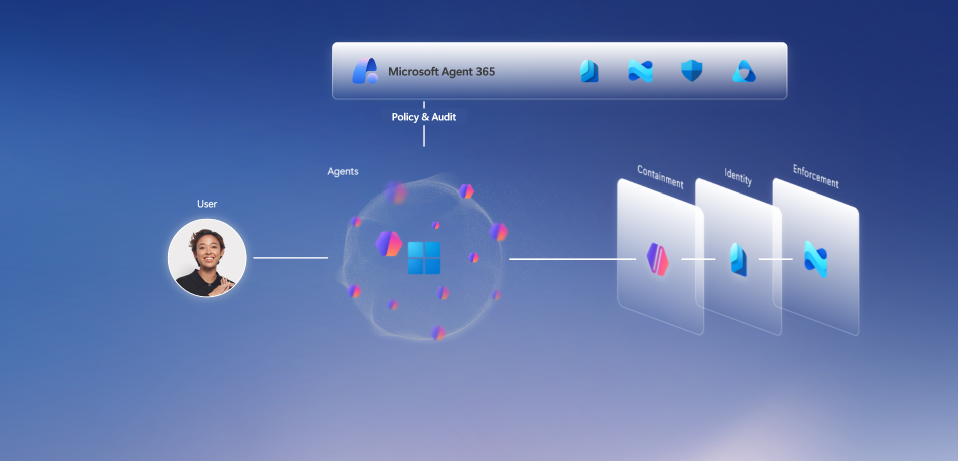
Microsoft introduced the early preview of MXC SDK at Build 2026 to isolate AI-agent code, tools, and plugins through Windows and WSL policy.
GitHub Copilot SDK is now generally available with six languages, MCP, BYOK, OpenTelemetry, hooks, and a CLI-server architecture for agent apps.
MAI-Code-1-Flash is rolling into GitHub Copilot for VS Code, putting Microsoft’s own 5B coding model inside Copilot’s model picker and Auto routing path.
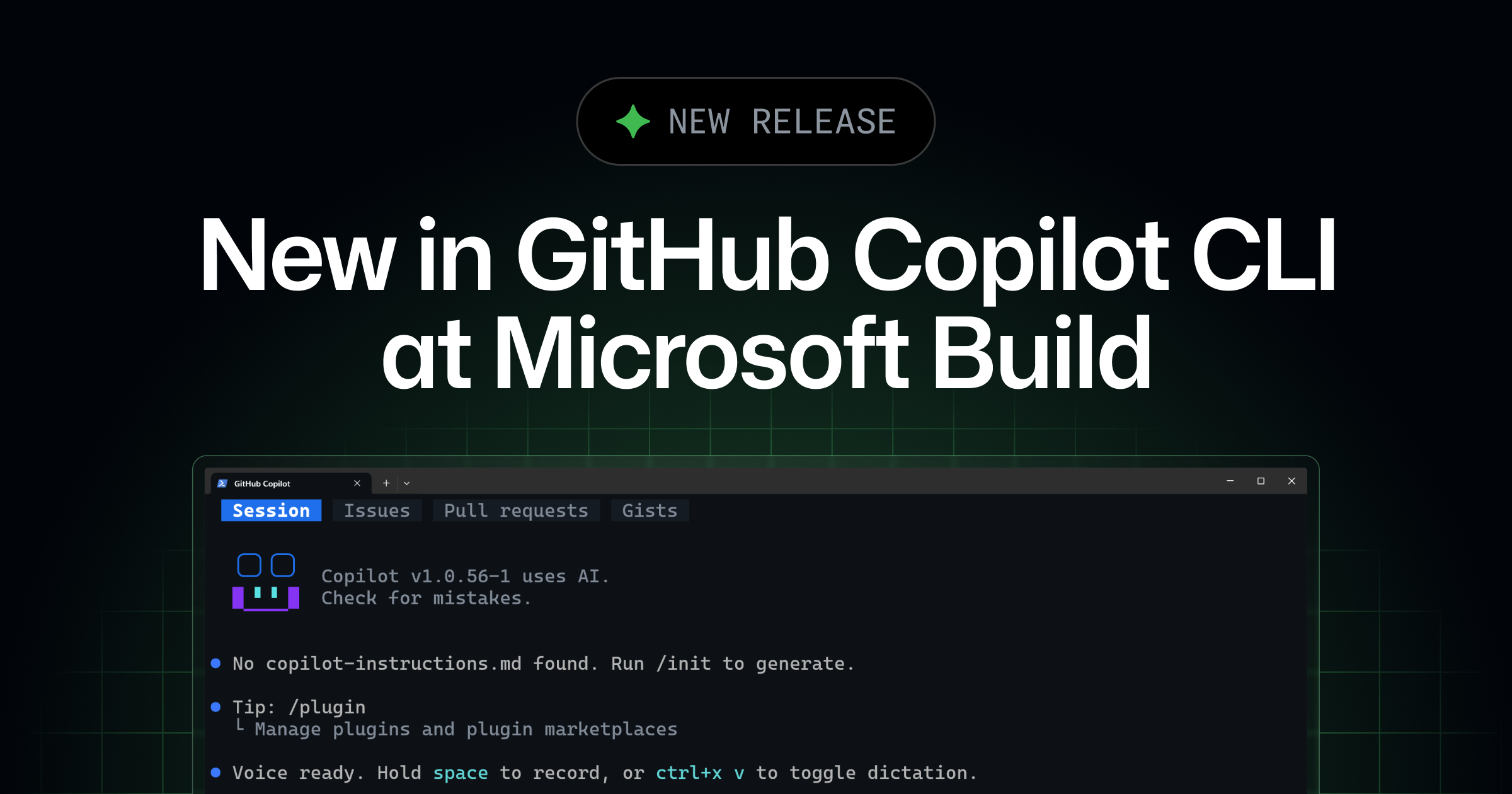
GitHub added /every, /after, Rubber Duck, and local voice input to Copilot CLI. The update turns a live terminal session into a small automation surface.