
AI Coding
Xiaomi MiMo Code tests memory for 200-step coding agents
Xiaomi released MiMo Code, an MIT-licensed OpenCode-based coding agent that puts memory, checkpoints, and completion verification at the center of long-horizon development work.
Xiaomi released MiMo Code, an MIT-licensed OpenCode-based coding agent that puts memory, checkpoints, and completion verification at the center of long-horizon development work.
Cohere released North Mini Code, an Apache 2.0 coding model that activates 3B of 30B parameters for agentic software engineering, terminal work, and long-context tool use.
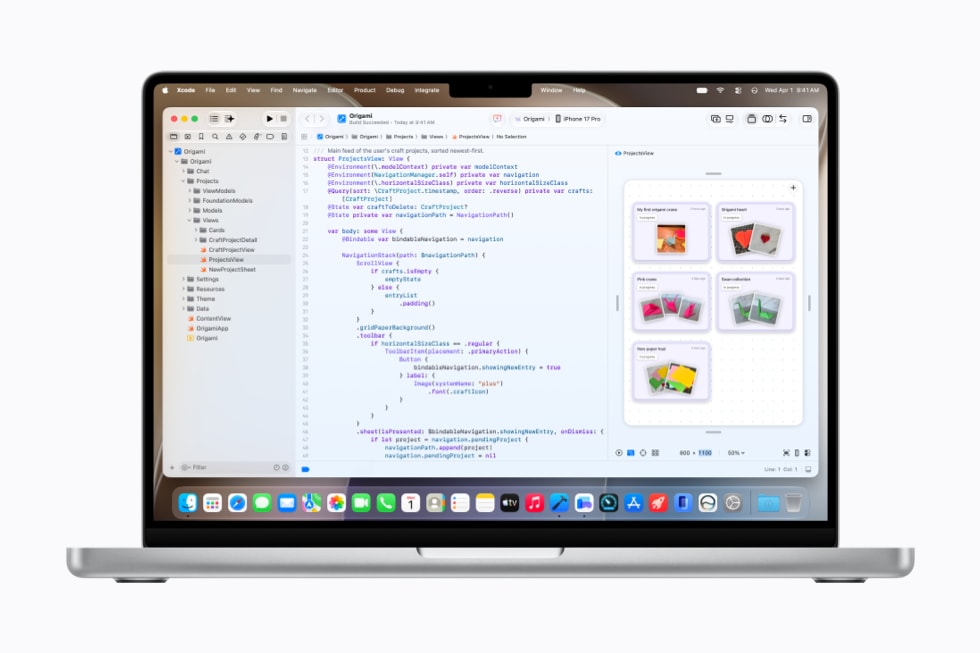
Apple expanded Xcode 27 and Foundation Models with MCP, ACP, Gemini, Claude, OpenAI agents, and new model choices for Apple app teams.
Anthropic says Claude wrote more than 80% of merged production code in May 2026. The sharper issue is not recursive self-improvement hype, but verifiable review, provenance, and pause mechanisms.

Kurrent Capacitor records Claude Code, Codex, and Cursor sessions as shared memory for PR review, recall, and agent evaluation.

Microsoft MAI-Code-1-Flash is rolling into Copilot with 137B MoE, 5B active parameters, 256K context, and new AI Credits economics.

OpenAI introduced Codex Sites, annotations, and six role-based plugin bundles as non-developers become 20% of Codex users.

Cisco Cloud Control puts OpenAI Codex inside App Builder, turning natural-language prompts into hosted network operations apps for its AgenticOps platform.
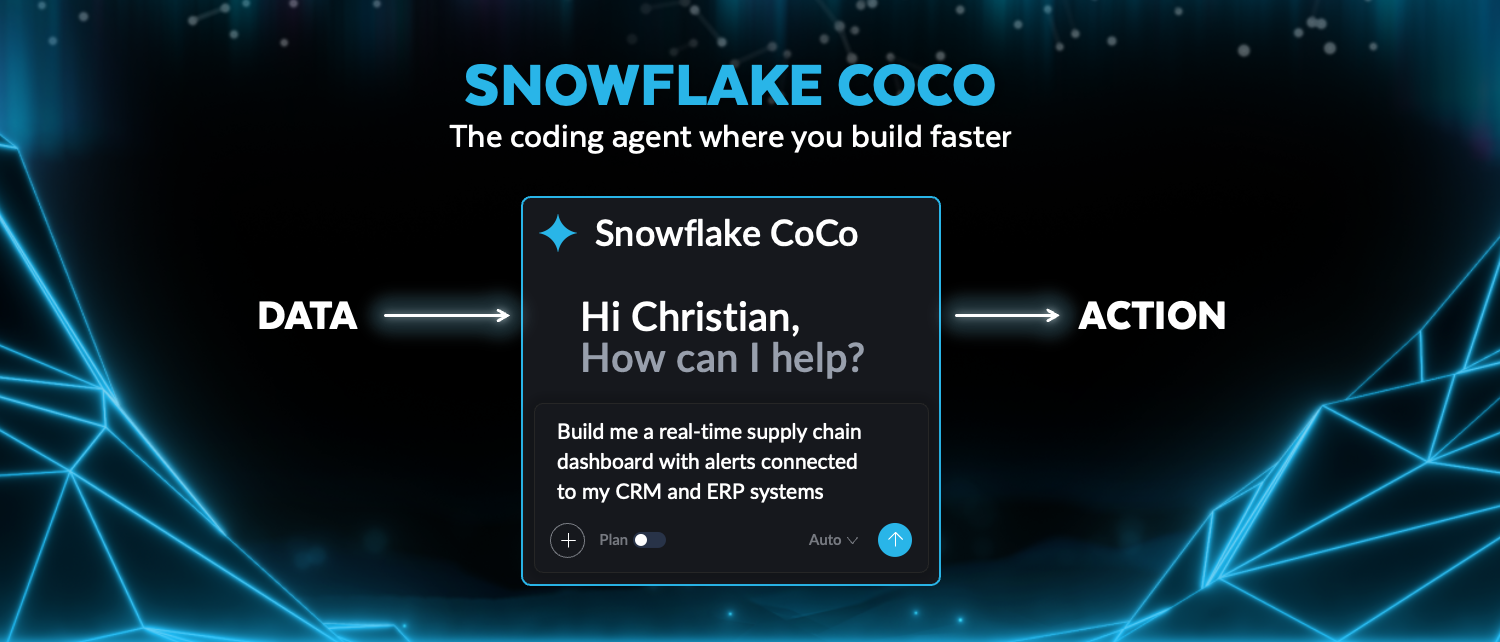
Snowflake expanded CoCo into Desktop, CLI, SDK, and Claude Code surfaces. The contest is now about data-aware coding agents with governance context.

GitHub expanded the Copilot app technical preview to paid users, while canvases move agent work into reviewable plans, PRs, terminals, and browser sessions.

OpenAI updated GPT-Rosalind with LifeSciBench, MedChemBench, GeneBench, LabWorkBench scores and Codex life-science plugins.
GitHub Copilot’s May VS Code updates bundle Agents Window, remote sessions, BYOK controls, and terminal risk checks.