
AI Agents
Fiserv agentOS brings auditable agents into banking operations
Fiserv agentOS is a governance, audit, and marketplace layer for deploying banking agents across core banking, payments, and servicing workflows.
Fiserv agentOS is a governance, audit, and marketplace layer for deploying banking agents across core banking, payments, and servicing workflows.
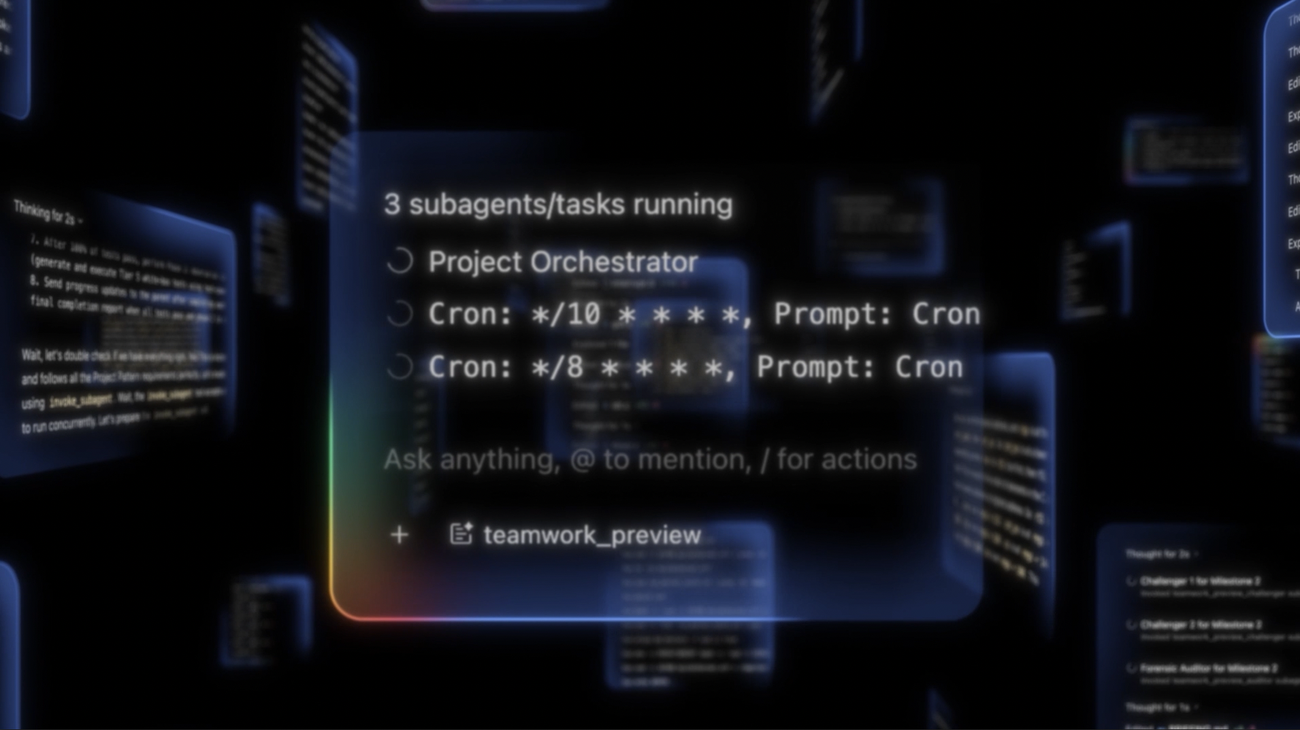
Gemini API Managed Agents moves beyond model calls by packaging a Google-hosted Linux sandbox and the Antigravity harness as an API surface.

Camunda ProcessOS is a closed-beta orchestration layer for discovering, redesigning, approving, and improving enterprise workflows with AI agents.

Nature published Google DeepMind Co-Scientist and FutureHouse Robin together. Research automation is moving from model demos to verified agent loops.
Vercel Labs Zero is less about new syntax than JSON diagnostics, stable error codes, and typed repair metadata for coding agents.
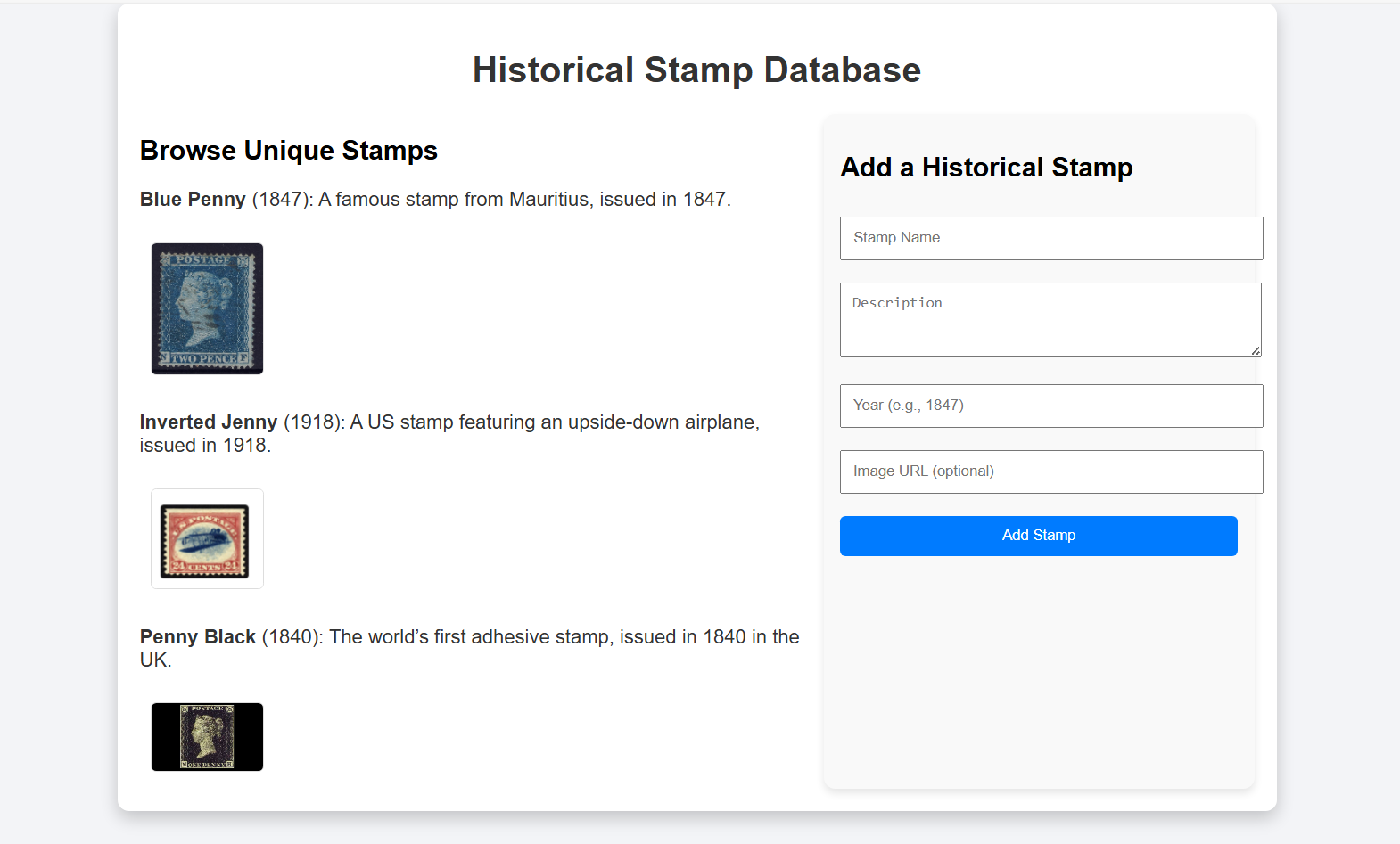
Chrome WebMCP is an Origin Trial for exposing structured tools and permission boundaries from web apps to browser agents.

Confluent Intelligence Q2 turns Kafka and Flink streams into real-time context, control, and security infrastructure for AI agents.
Google Search agents extend search from answers into persistent monitoring, task state, alerts, and generative UI mini apps.

Anthropic and KPMG are turning Claude into an agent layer for Digital Gateway, private equity modernization, and Big Four delivery.
Google Genkit Middleware shows how retries, fallback, tool approval, and filesystem boundaries are moving into the runtime layer of agent apps.

PolyAI opened its Agentic Dialog Platform. Raven, Agent Builder, and ADK show why voice-agent competition is shifting from speech quality to operations.
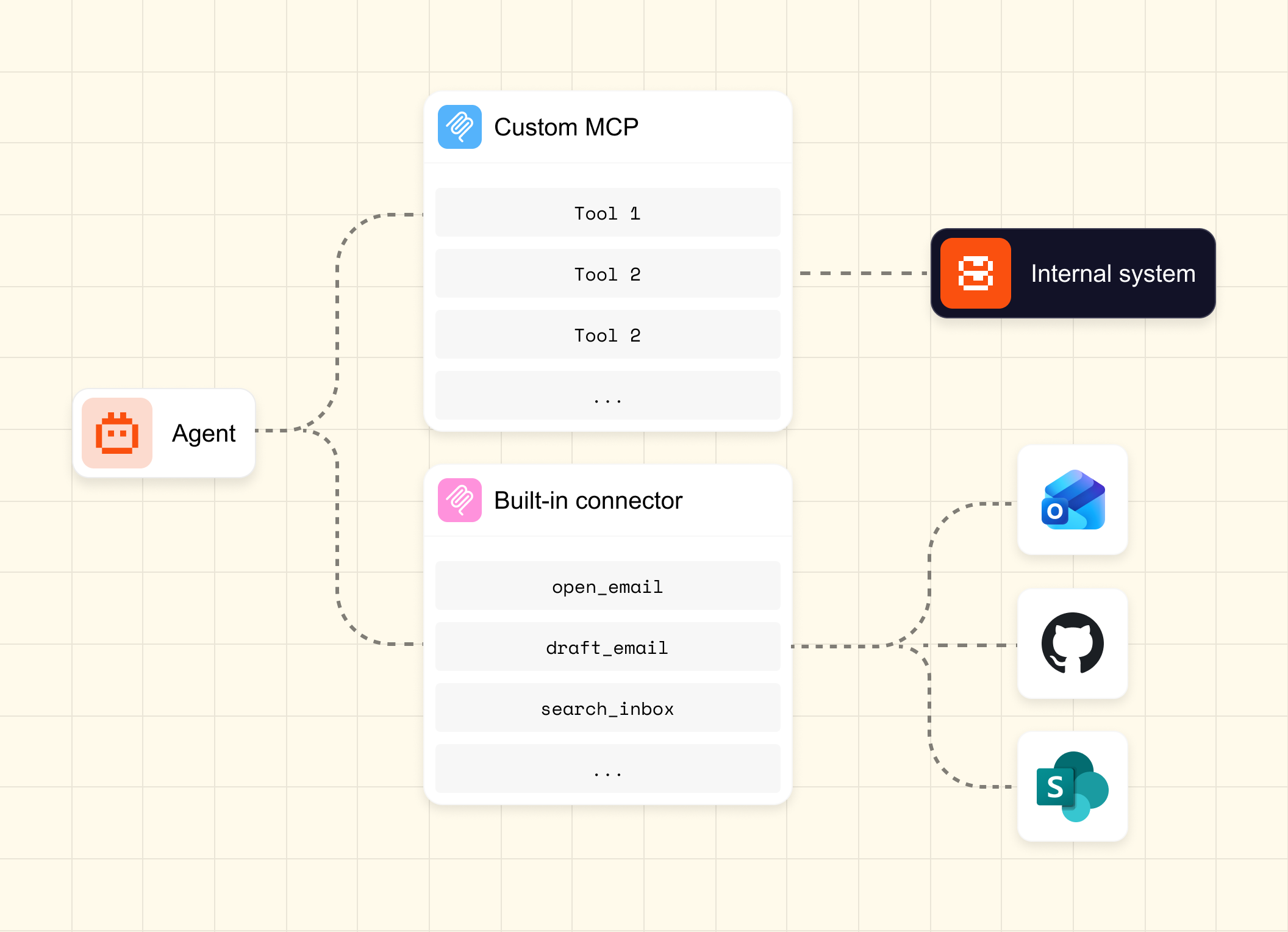
Mistral Studio Connectors move MCP from app-specific wrappers into central registration, direct calls, and approval-ready agent operations.