AI Agents
Agents compiled into ABL, and the runtime bottleneck Kore.ai is targeting
Kore.ai Artemis frames enterprise agents as compiled ABL artifacts controlled by runtime governance, not loose prompt bundles.
Kore.ai Artemis frames enterprise agents as compiled ABL artifacts controlled by runtime governance, not loose prompt bundles.
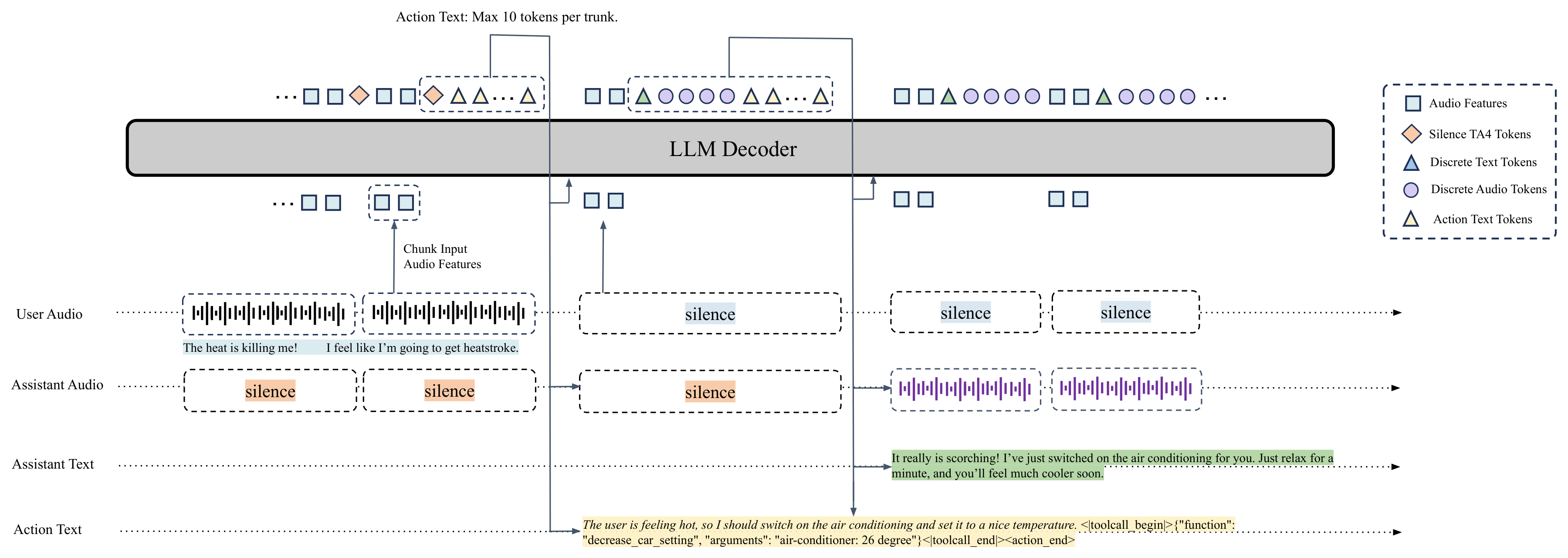
The DuplexSLA paper reframes real-time voice-agent latency around a 160ms action channel where speech, planning, and tool calls share one timeline.

NVIDIA Vera CPU deliveries show that AI agent competition is shifting beyond GPU inference toward CPU-bound sandboxes, tool calls, and RL evaluation.
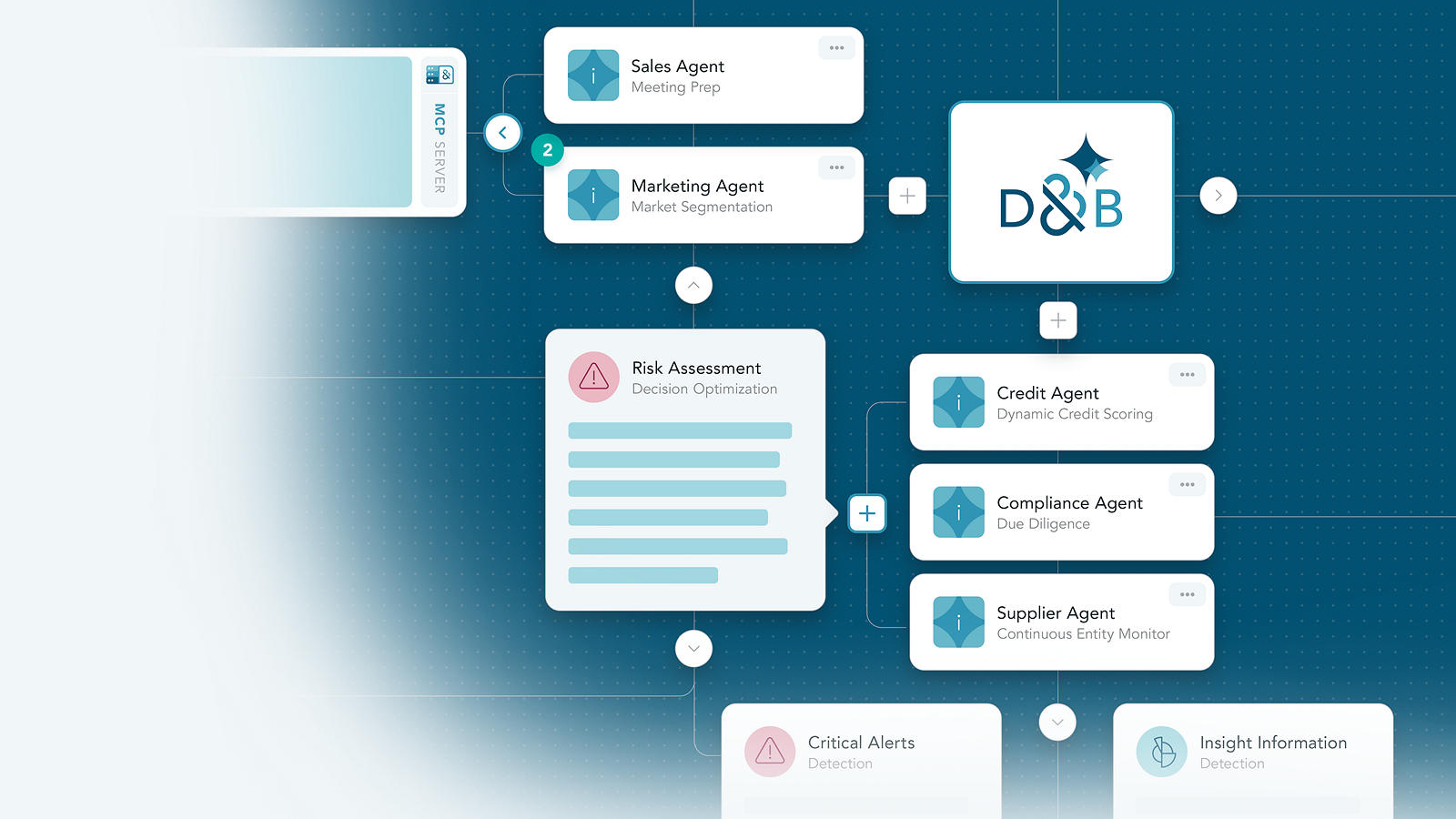
D&B rebuilding its 642 million-company graph for AI agents shows why enterprise automation now depends on verified business identity, not only better models.

Google DeepMind Co-Scientist turns hypothesis generation and review into a multi-agent tournament for research automation.

The MOSS paper proposes a self-evolution loop where agents collect failure evidence, patch source code, validate it in trial containers, and promote it with rollback.
AWS Partner Central agents turn opportunity creation into natural language, file analysis, MCP access, IAM permissions, and explicit approval for writes.
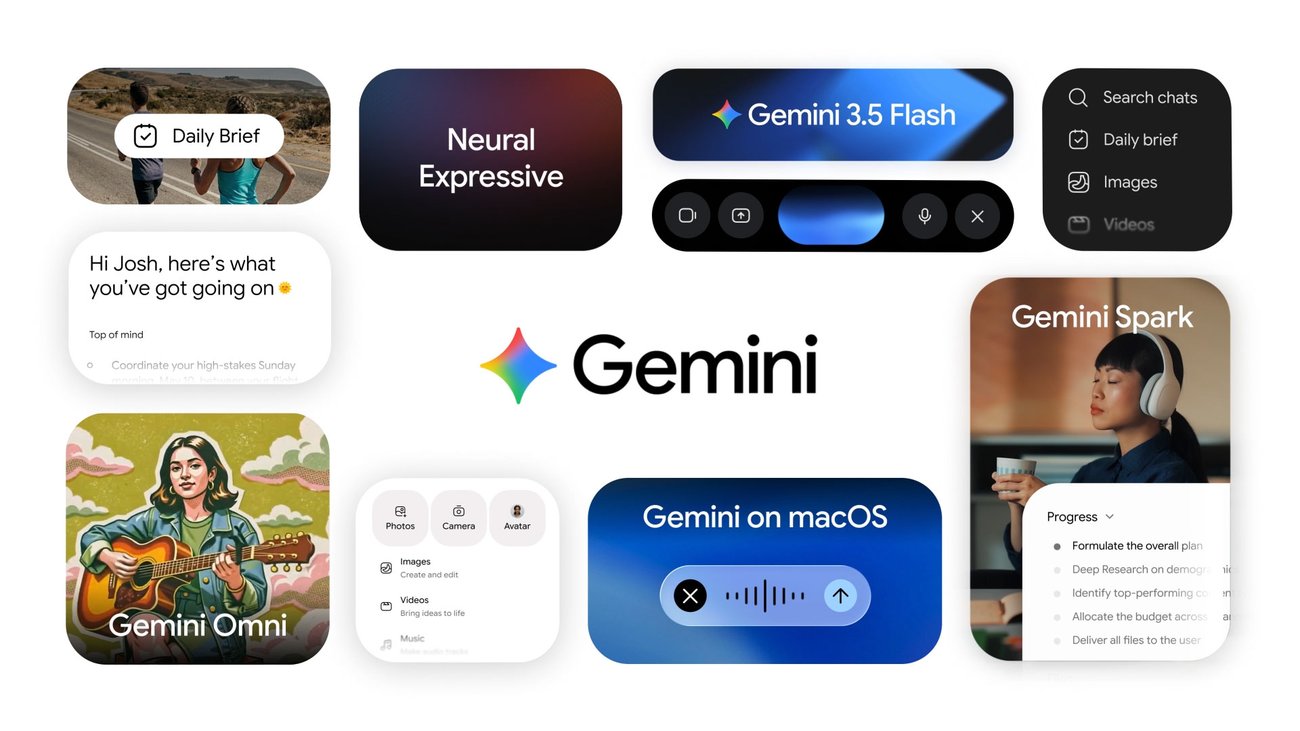
Gemini Spark turns Google apps into a 24/7 personal agent, making permissions, approvals, and auditability the real product test.
AWS AgentCore Payments previews a runtime layer where AI agents pay for APIs and MCP servers through x402, Coinbase, and Stripe wallets.
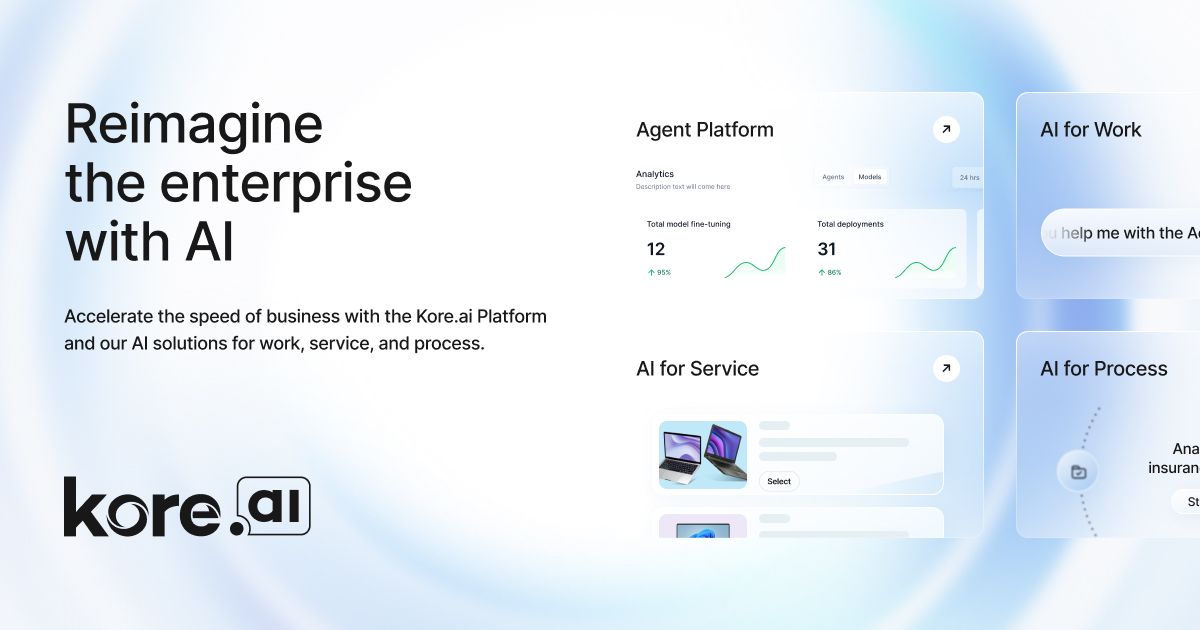
Kore.ai Artemis puts ABL, Arch, and Microsoft Agent 365 at the center of enterprise AI agent control.
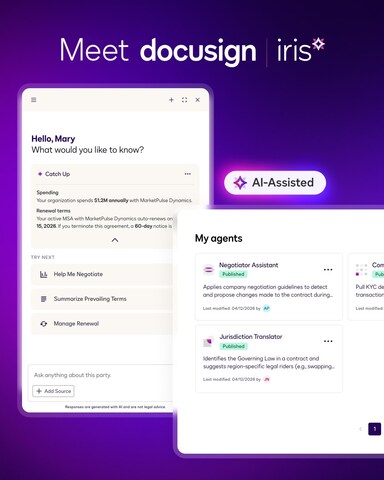
Docusign unveiled an Iris-powered AI assistant, agents, Agent Studio, and an MCP beta. The bigger shift is contracts moving from signed PDFs into enterprise workflow execution.

Anthropic’s Stainless acquisition shows Claude’s moat expanding from model quality into SDKs, MCP servers, and reliable API connectivity.