AI Agents
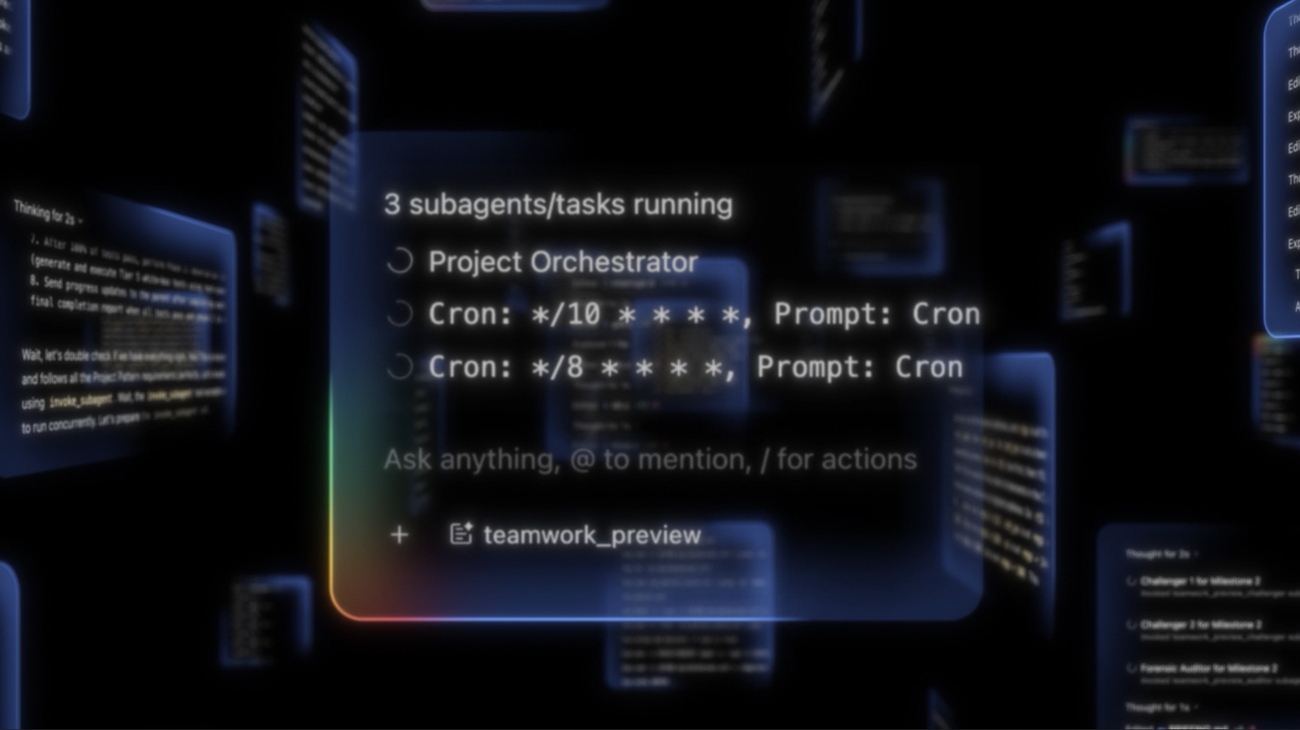
One API call, Google opens the serverless agent runtime
Gemini API Managed Agents hides sandboxing, state, and tool loops behind an API, moving agent competition into runtime infrastructure.
Gemini API Managed Agents hides sandboxing, state, and tool loops behind an API, moving agent competition into runtime infrastructure.
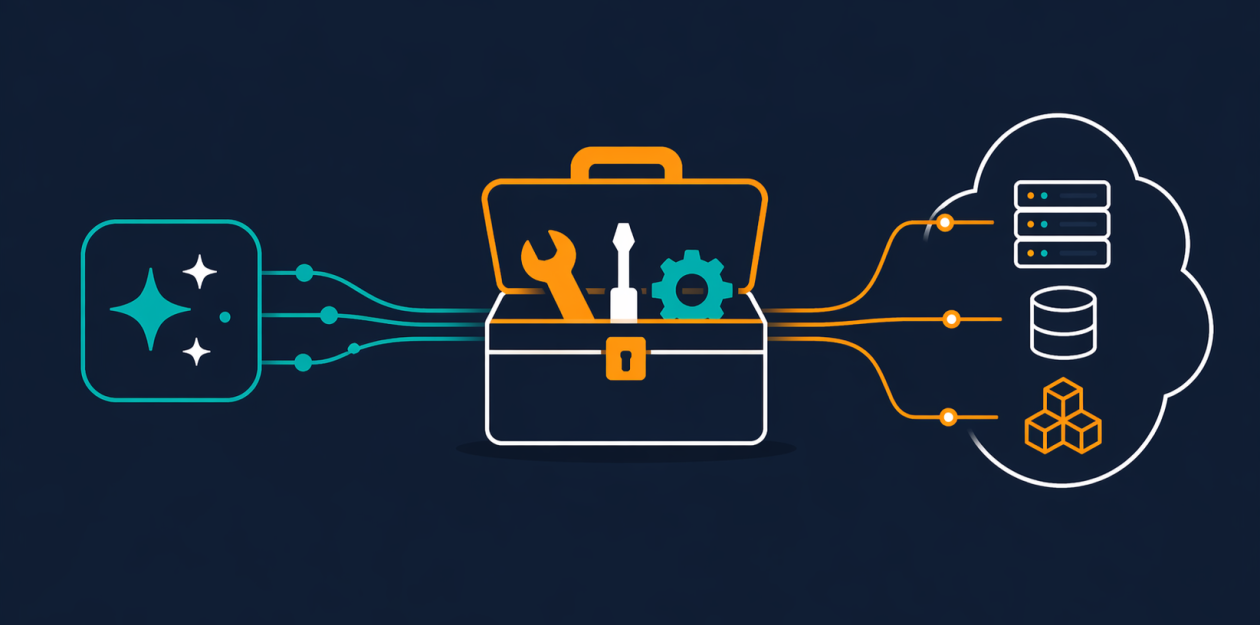
AWS Agent Toolkit and the AWS MCP Server GA show how coding agents can reach cloud accounts through IAM, CloudWatch, and CloudTrail.
Docusign Iris Agents and its MCP beta show how agreement data can become a callable work surface for Claude, Gemini, and ChatGPT.
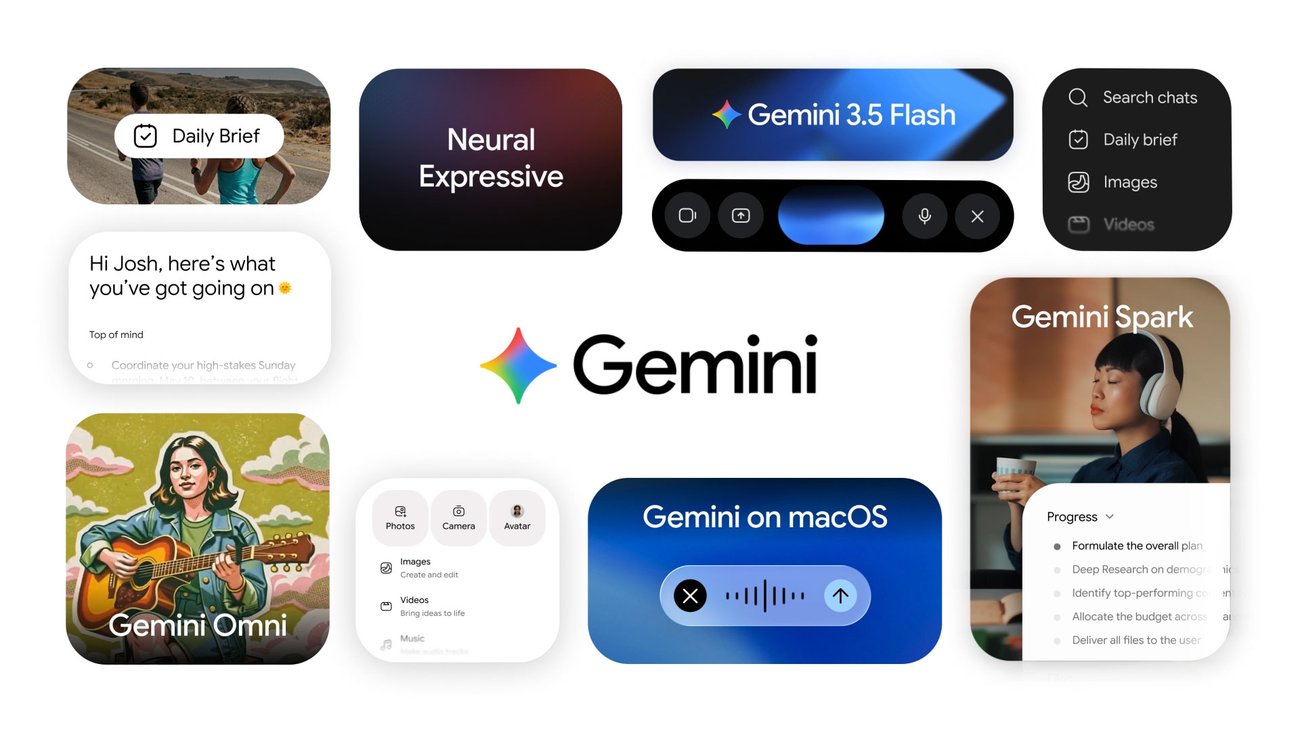
Google Gemini Spark brings background agents, MCP connections, and approval boundaries into a mass-market consumer AI surface.

Android Studio I/O Edition brings Agent Skills and Android CLI into the mobile workflow, turning Android development into an agent-readable knowledge layer.
Mistral’s Emmi AI acquisition points beyond chatbots toward industrial agents for simulation, digital twins, and engineering workflows.
Vercel Labs Zero treats AI agents as first-class users by redesigning compiler diagnostics, repair plans, capabilities, and tool contracts.
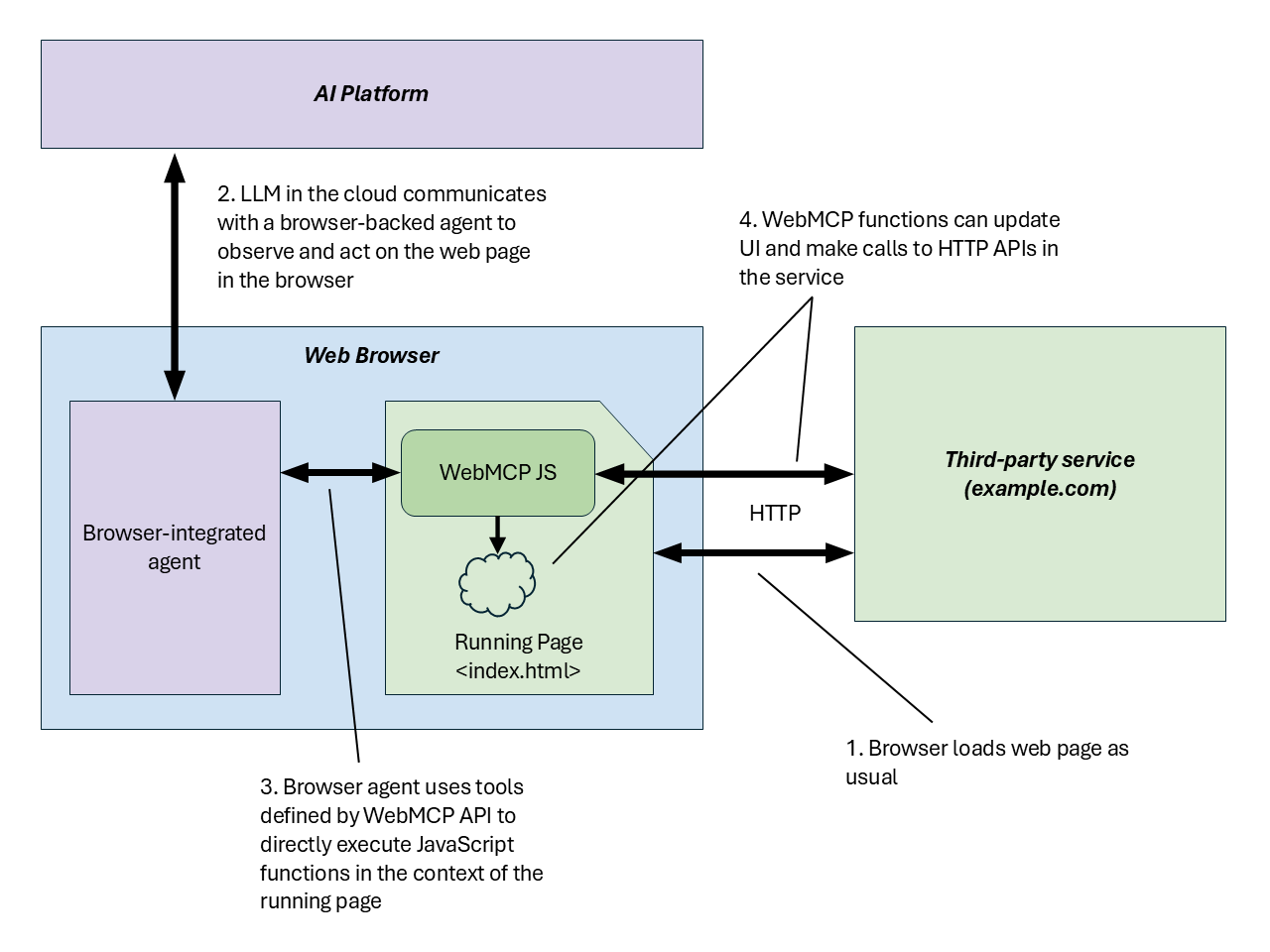
Chrome’s WebMCP proposal lets web pages expose structured tools to browser agents instead of forcing them to infer and click UI controls.
Kore.ai Artemis frames enterprise agents as compiled ABL artifacts controlled by runtime governance, not loose prompt bundles.
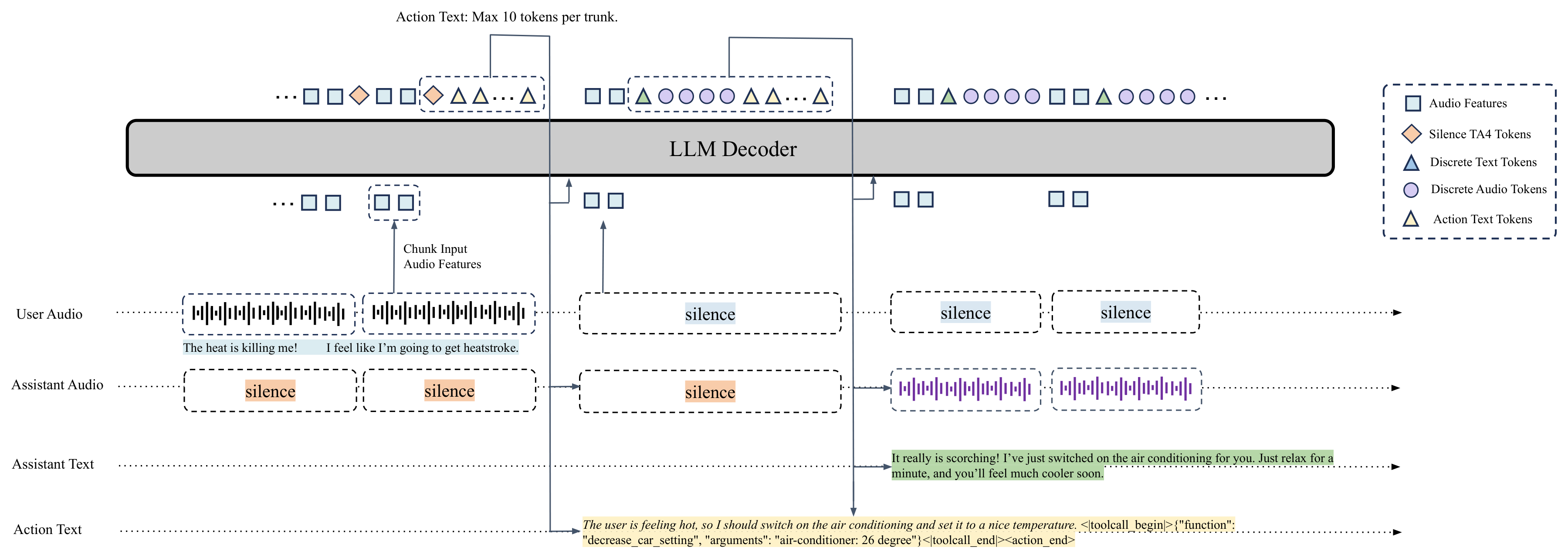
The DuplexSLA paper reframes real-time voice-agent latency around a 160ms action channel where speech, planning, and tool calls share one timeline.
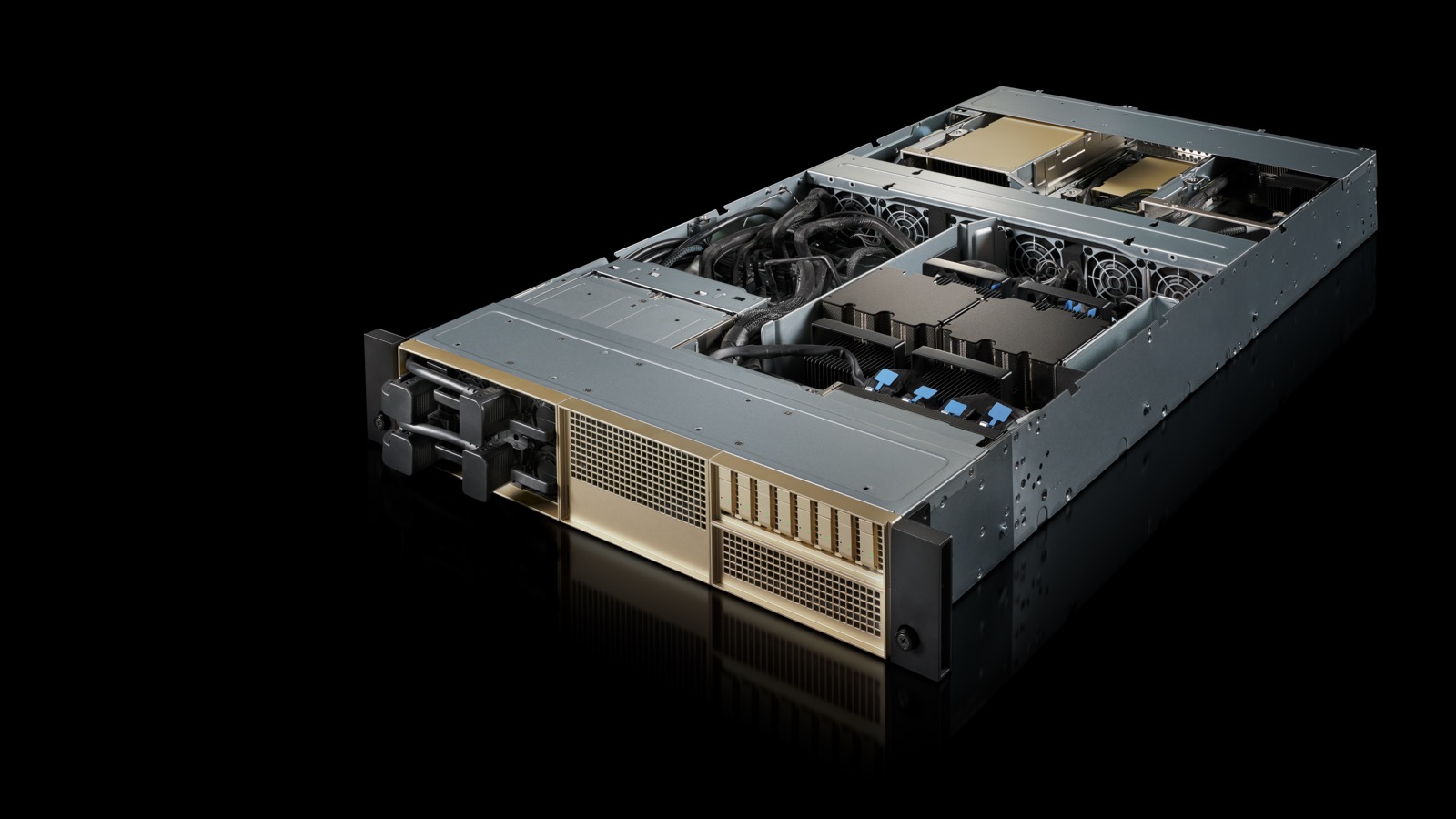
NVIDIA Vera CPU deliveries show that AI agent competition is shifting beyond GPU inference toward CPU-bound sandboxes, tool calls, and RL evaluation.
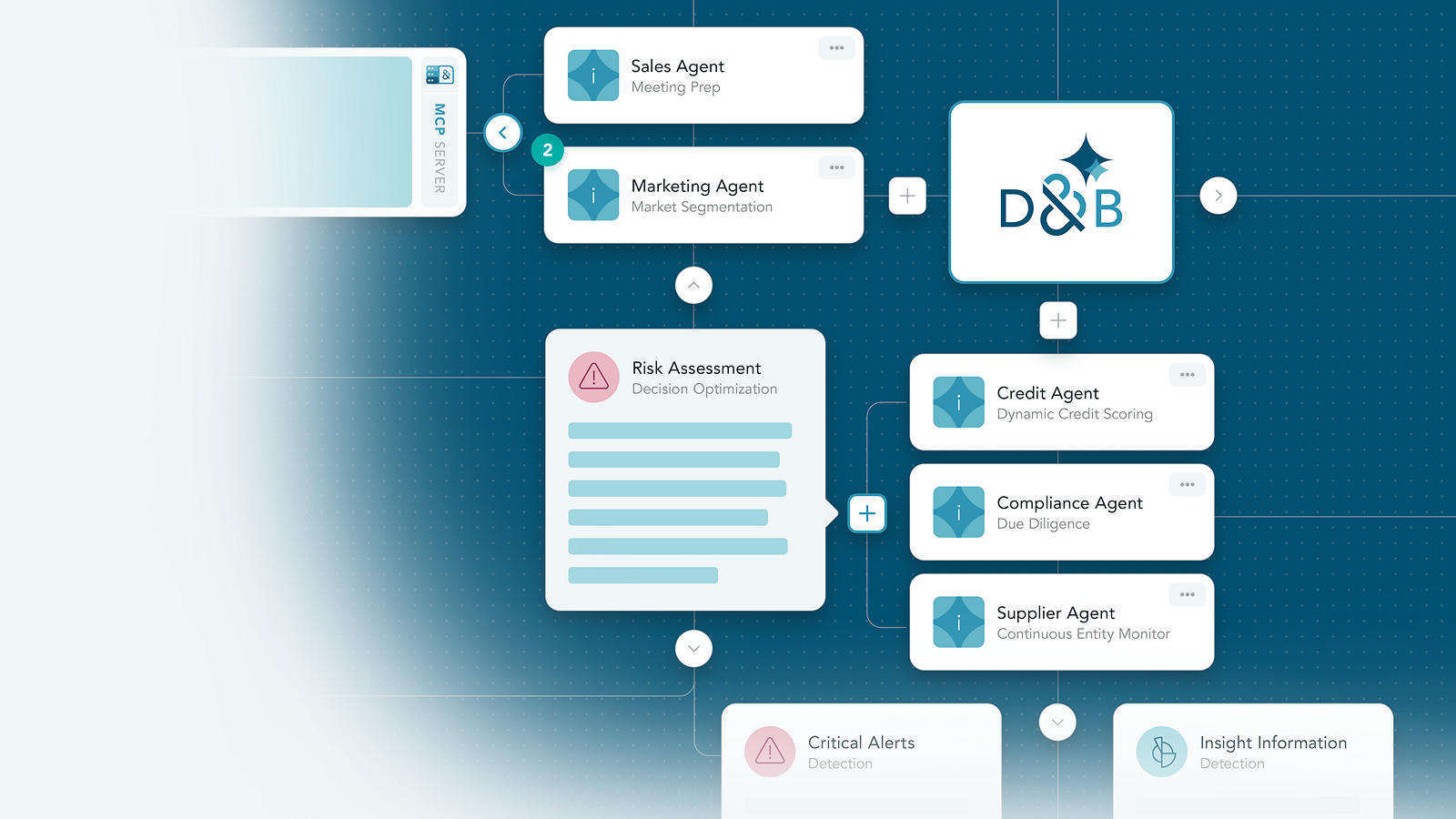
D&B rebuilding its 642 million-company graph for AI agents shows why enterprise automation now depends on verified business identity, not only better models.