
AI Agents
Takane gains 28 points as Fujitsu narrows safe self-evolving agents
Fujitsu self-evolving multi-AI agents show how enterprise LLMs may keep improving through verified feedback, design-search loops, and operating controls.
Fujitsu self-evolving multi-AI agents show how enterprise LLMs may keep improving through verified feedback, design-search loops, and operating controls.
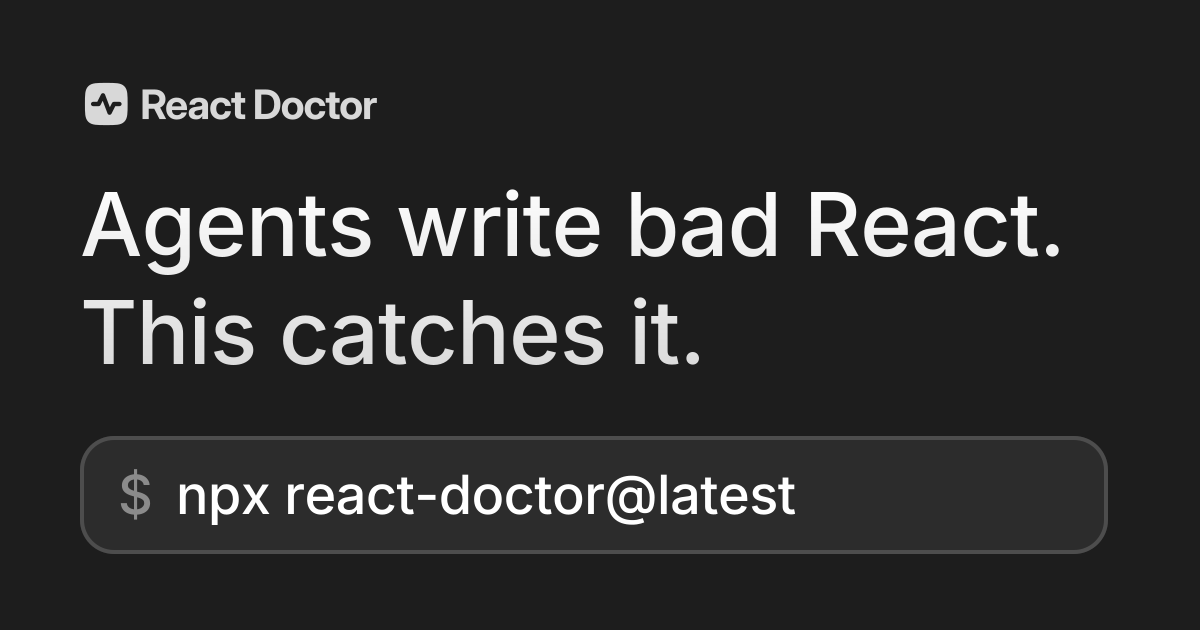
React Doctor adds a post-generation audit loop for React code written by coding agents, scanning state, effects, performance, security, and accessibility.
OpenAI and Warp show that the coding-agent race is shifting from code generation to open-source verification, observability, and agent orchestration.
Google Managed Agents extends the Gemini API from model calls into sandboxed execution, shifting where agent infrastructure begins.

OpenAI Agents SDK memory and the AMP v0.1 draft turn long-term agent memory into files, Git history, MCP resources, and auditable state.

Mistral AI’s acquisition of Emmi AI shows the LLM race moving into physics simulation, CAD/CAE workflows, and industrial R&D agents.
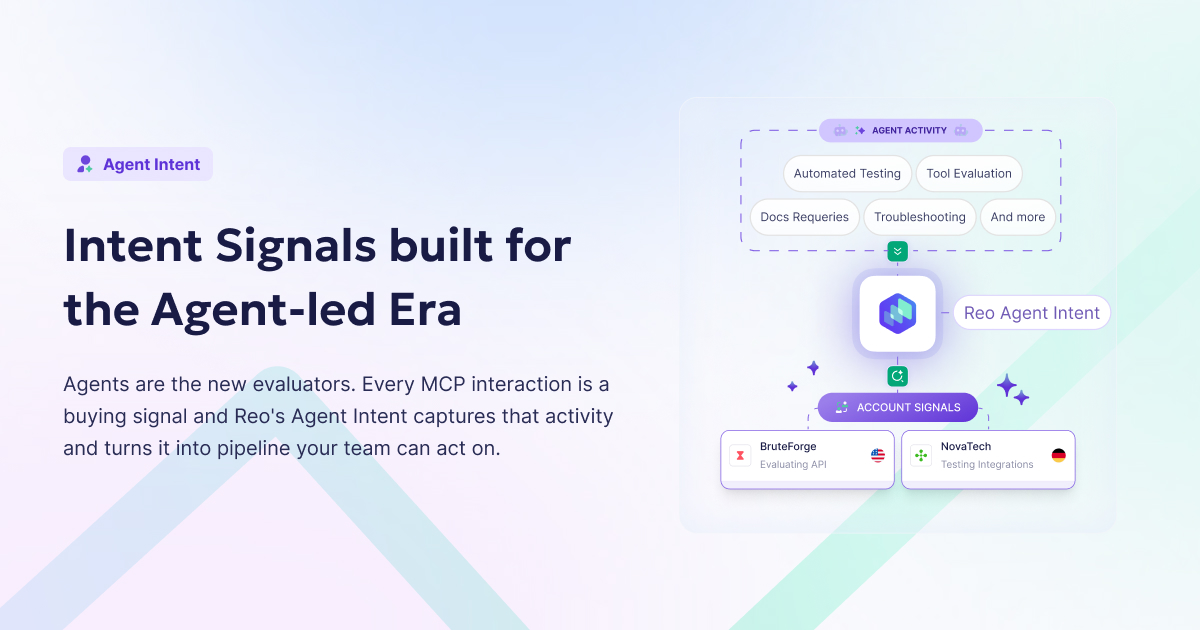
Reo.Dev Agent Intent Gateway shows how developer product evaluation is moving from docs clicks to AI agent queries and MCP calls.

Google DeepMind Co-Scientist reached Nature with a multi-agent design that shifts scientific AI from idea generation toward verification loops.
Cisco’s WAN report argues that AI agents turn inference calls into a network bottleneck across capacity, security, observability, and reliability.

Datasette Agent connects SQLite exploration with LLMs, plugin tools, permissions, and sandbox execution in a narrow but practical agent experiment.

Voker’s Launch HN shows how agent operations are moving beyond trace debugging toward product analytics for intents, corrections, and resolutions.

Foundation Passport Prime is an experiment in moving final approval for AI agents out of the browser and into dedicated hardware.