
AI Agents
MongoDB brings automatic embeddings and agent memory into Atlas
MongoDB announced Automated Voyage AI Embeddings and LangGraph.js memory support, reframing agent reliability as a data freshness and memory problem.
MongoDB announced Automated Voyage AI Embeddings and LangGraph.js memory support, reframing agent reliability as a data freshness and memory problem.

Trust3 AI’s agent discovery guide frames shadow agents, MCP bindings, runtime traffic, and ownership as an inventory problem for AI governance.

Datadog State of AI Engineering 2026 shows how production LLM apps fail on quotas, routing, prompt cache, and context growth, not only model quality.
TrustLogix TrustAI moves AI agent control to the data layer with MCP governance, intent-based authorization, and a runtime kill switch.
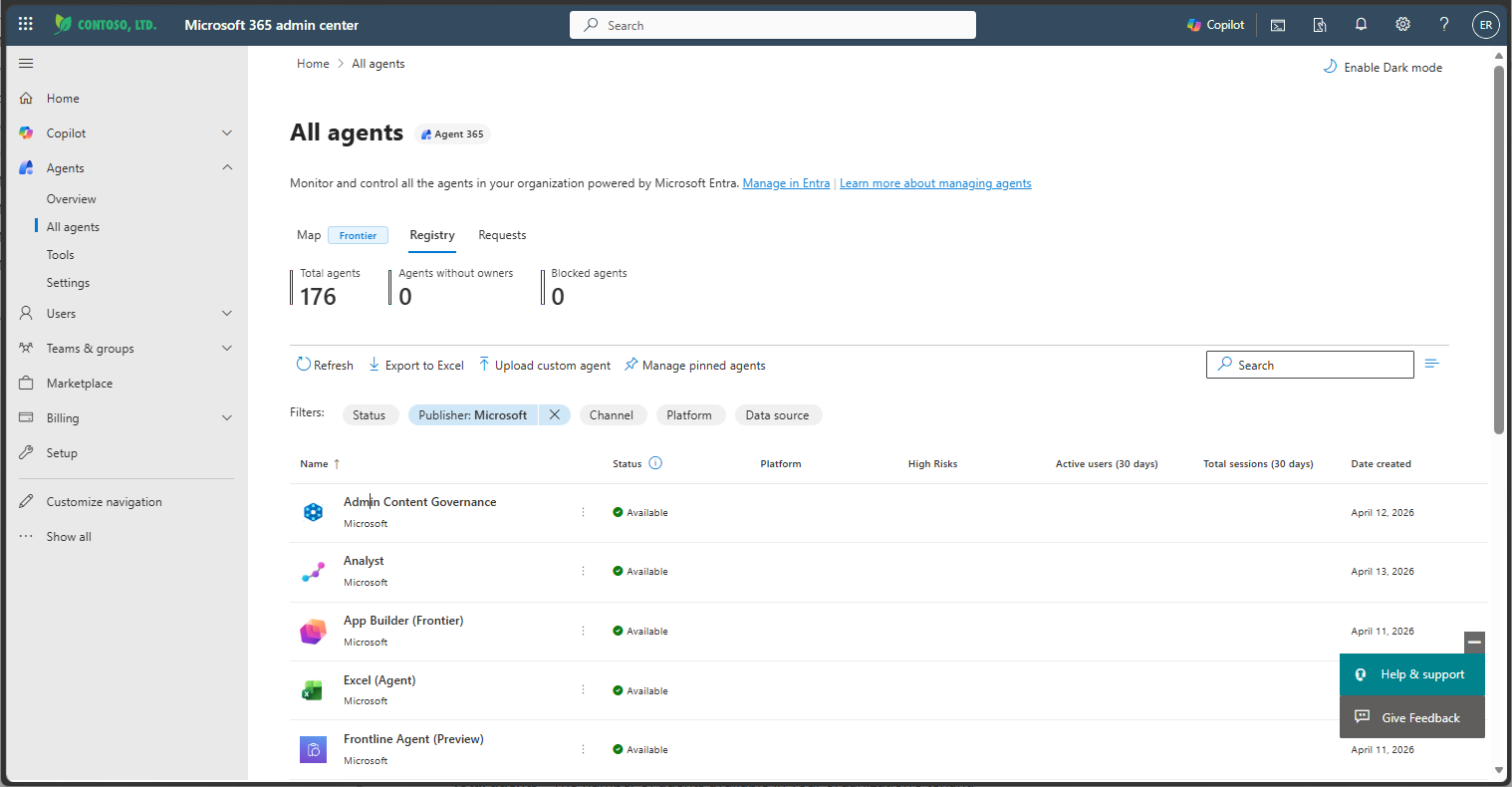
Microsoft Agent 365 is now generally available, turning AI agents into governed inventory across Entra, Defender, Purview, and Microsoft 365 admin.
Lyft showed how LangGraph and LangSmith turned customer-support agents into a self-serve platform with routing, state, evals, and prompt CI.

Hugging Face explains how retokenizing tool-using agent rollouts can break gradients, and proposes TITO as a safer training-loop rule.

Anthropic added self-hosted sandboxes and MCP tunnels to Claude Managed Agents, shifting tool execution and private tool access into enterprise-controlled boundaries.
Workday and Google Cloud connected Sana to Gemini Enterprise. For HR and finance agents, approval chains, permissions, and data boundaries matter more than the model.

Robinhood opened Trading MCP and Banking MCP for AI agents. The real developer story is the permission, approval, and liability model around financial tool calls.

Ollama now supports OpenJarvis v1.0. The release shows how local personal AI changes cost, latency, and data boundaries.

jqwik 1.10.0 adds an AI-agent-facing test log message, raising new questions about stdout, prompt injection, and coding agent trust boundaries.