Blog
Notes and analysis on AI development.

Idea tournaments: the research bottleneck Co-Scientist changes
Google DeepMind Co-Scientist reached Nature with a multi-agent design that shifts scientific AI from idea generation toward verification loops.
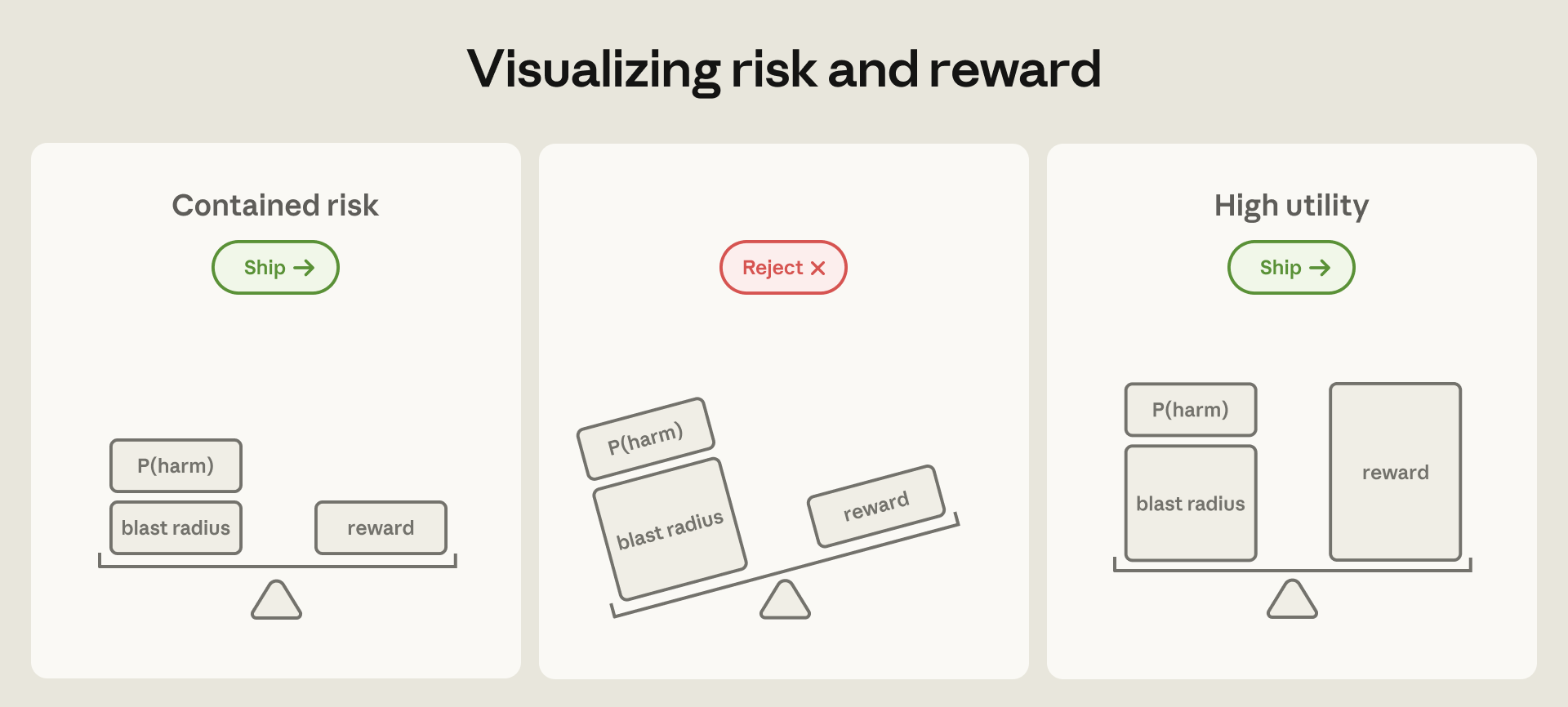
Claude shows why agent security moved beyond approval prompts
Anthropic’s Claude containment writeup shows agent security shifting from prompt defenses and approval dialogs toward runtime isolation and blast-radius control.
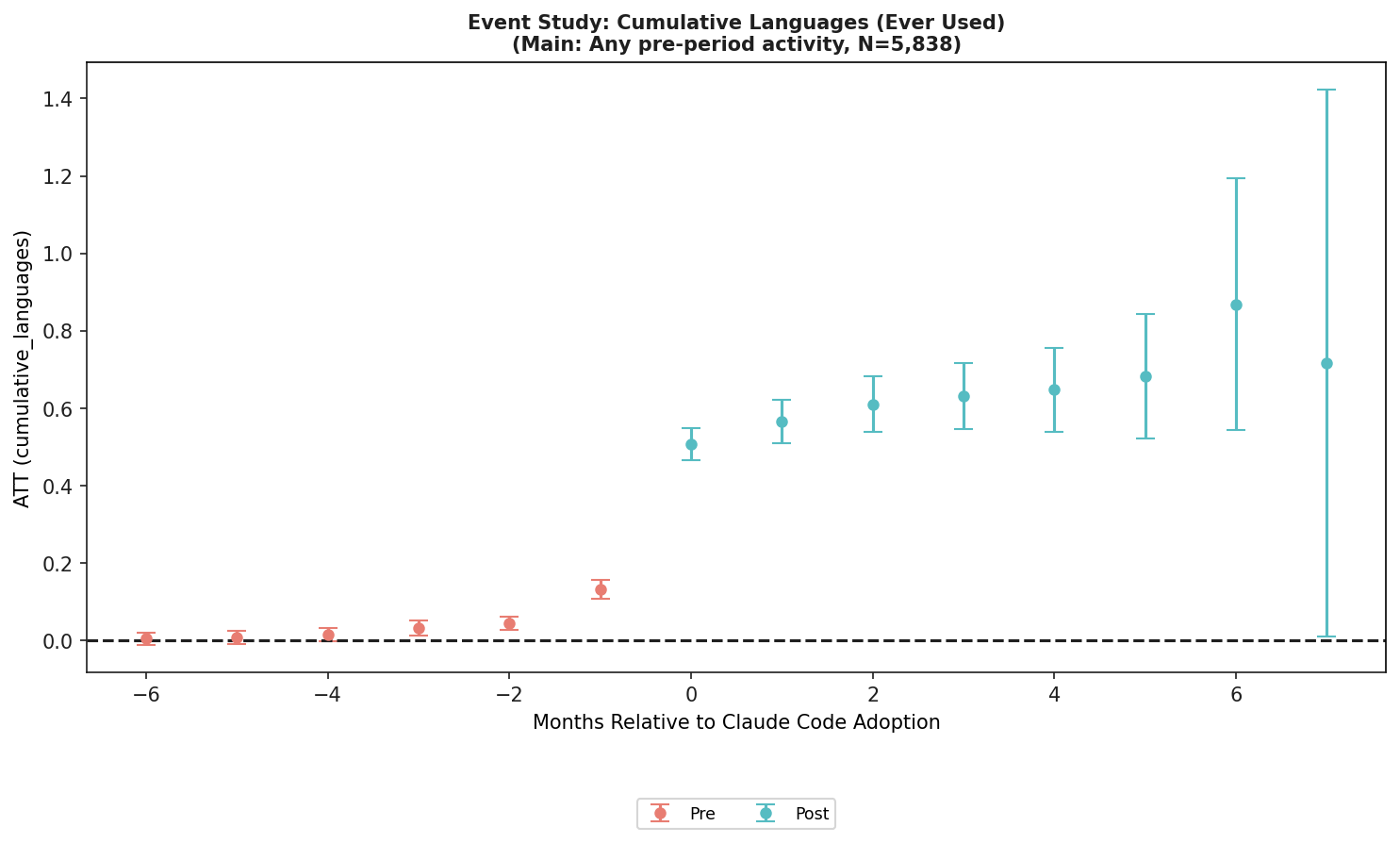
Claude Code and the +0.83 language frontier
A 5,838-developer GitHub panel study suggests Claude Code adoption may widen the languages and repositories developers touch, not just raise output.
Codex Keeps Working On A Locked Mac
OpenAI Codex adds Appshots, Goal mode, browser annotations, and locked computer use, pushing coding agents toward longer-running local workflows.
450% More Traffic, Why Agents Are Rewriting the WAN
Cisco’s WAN report argues that AI agents turn inference calls into a network bottleneck across capacity, security, observability, and reliability.
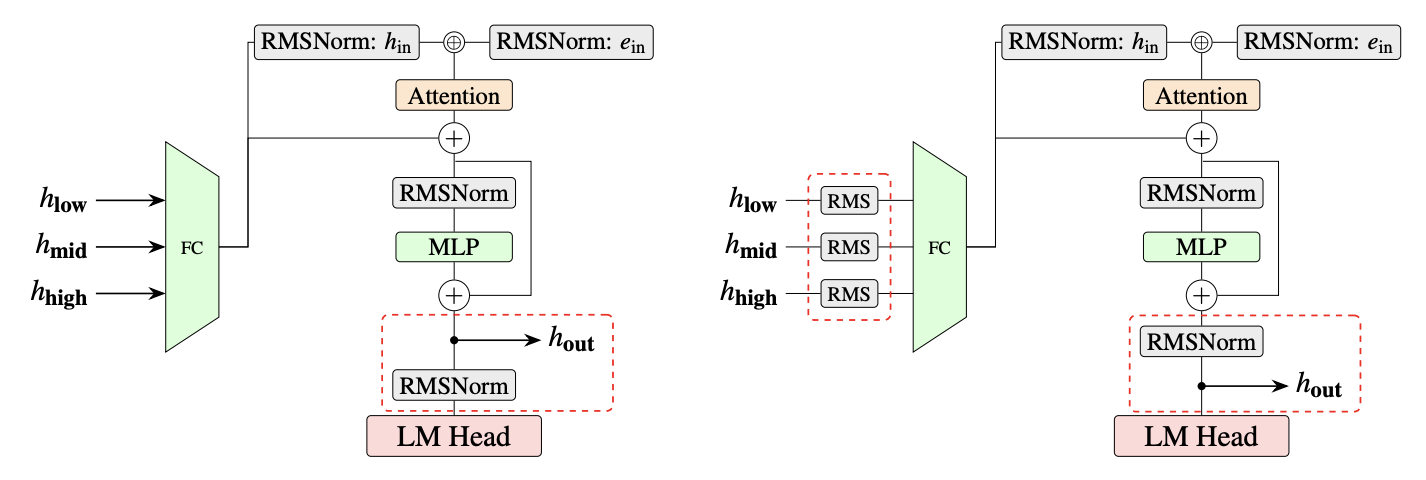
2.03x Token Throughput, EAGLE 3.1 Fixes Speculation Drift
vLLM EAGLE 3.1 targets attention drift in speculative decoding, with early gains for long-context and coding-agent serving workloads.

AI Broke an Erdos Conjecture, and the Real Story Is the Verification Loop
OpenAI’s unit-distance counterexample shows that AI research automation depends less on answer generation than on proofs experts can inspect.

The 90-day review stalled, and AI model launches changed
Trump’s delayed AI executive order shows frontier model launches being reshaped around speed, security evaluation, and critical infrastructure readiness.
Datasette Agent shows why narrow AI agents matter
Datasette Agent connects SQLite exploration with LLMs, plugin tools, permissions, and sandbox execution in a narrow but practical agent experiment.
The 1,000-session wall, and why agent products need analytics
Voker’s Launch HN shows how agent operations are moving beyond trace debugging toward product analytics for intents, corrections, and resolutions.

The 3-second approval device trying to hold agent authority
Foundation Passport Prime is an experiment in moving final approval for AI agents out of the browser and into dedicated hardware.
One API call, Google opens the serverless agent runtime
Gemini API Managed Agents hides sandboxing, state, and tool loops behind an API, moving agent competition into runtime infrastructure.