AI
177,000 MCP Tools Show AI Agent Risk Has Moved to the Action Layer
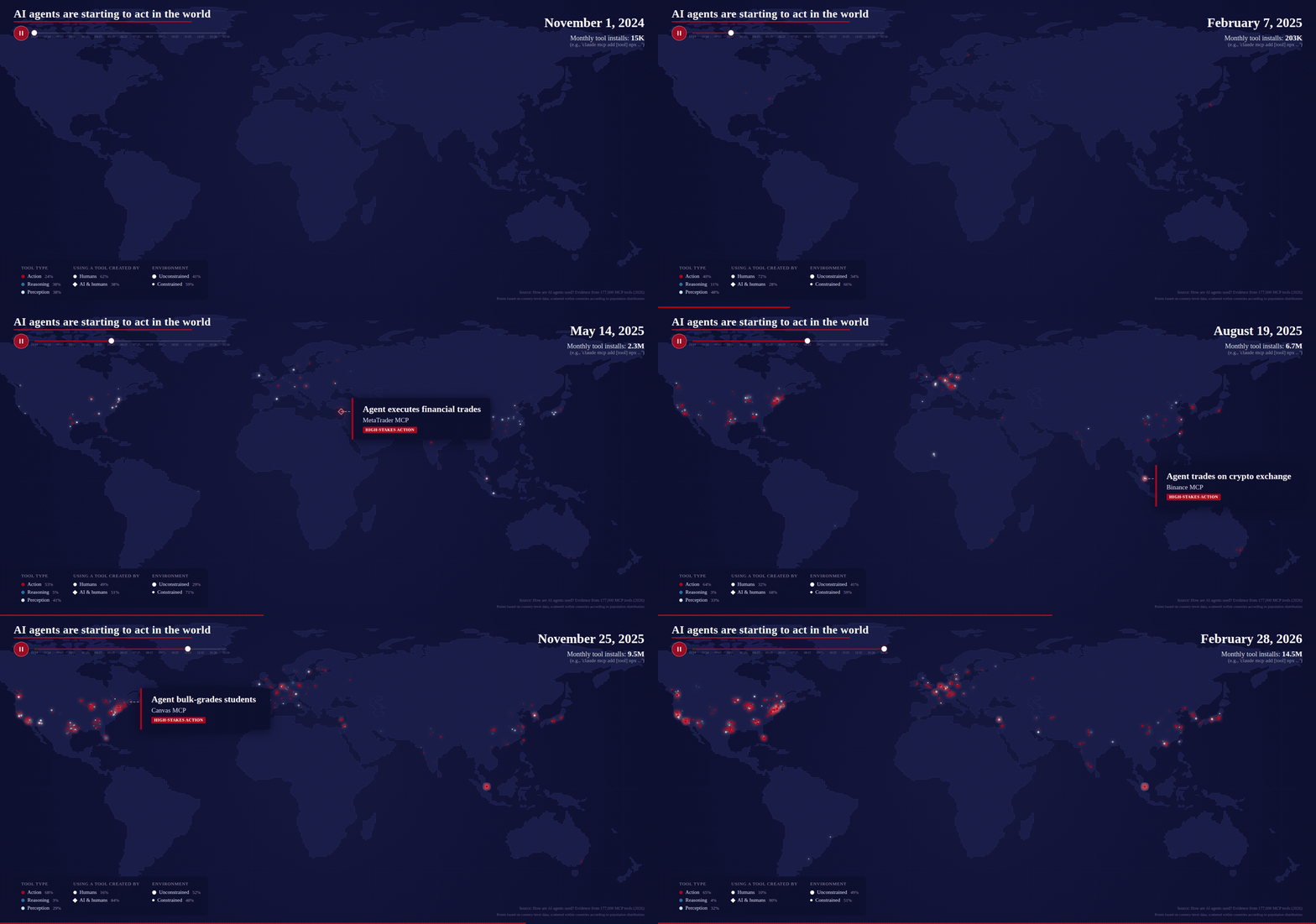
AISI analyzed 177,436 MCP tools and found agent tooling shifting from reading and analysis toward file edits, browsers, payments, and other actions.
AI
AISI analyzed 177,436 MCP tools and found agent tooling shifting from reading and analysis toward file edits, browsers, payments, and other actions.
AI
The AWS AI Security Framework separates answering, connected, and acting AI, making agent identity, tool authorization, and observability the new security baseline.
AI
AWS AgentCore Browser moves browser-agent security from prompts into Chrome enterprise policies, custom root CAs, and auditable runtime controls.

AI
OpenAI’s Codex Windows sandbox design shows that local coding agent security is now an OS boundary problem, not only a model safety problem.
AI
The Mini Shai-Hulud attack hit Mistral AI SDK and TanStack packages, exposing a new supply-chain risk around CI, cache poisoning, and OIDC publishing.

AI
CAISI is expanding predeployment evaluation work with Google DeepMind, Microsoft, and xAI, moving frontier AI launches beyond public benchmarks.
AI
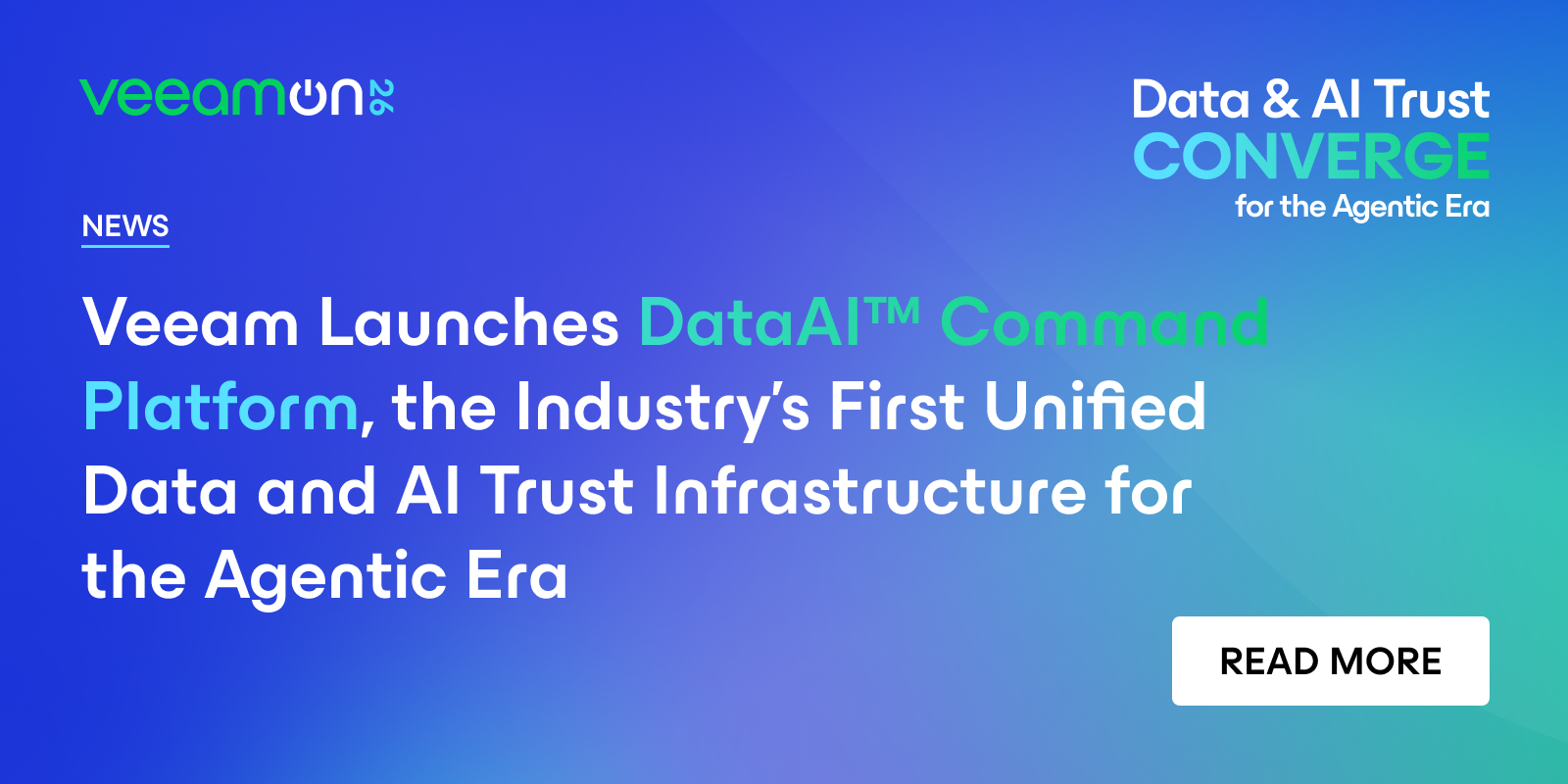
Veeam DataAI Command Platform extends AI agent governance into data sources, identity, backups, and precision recovery.
AI
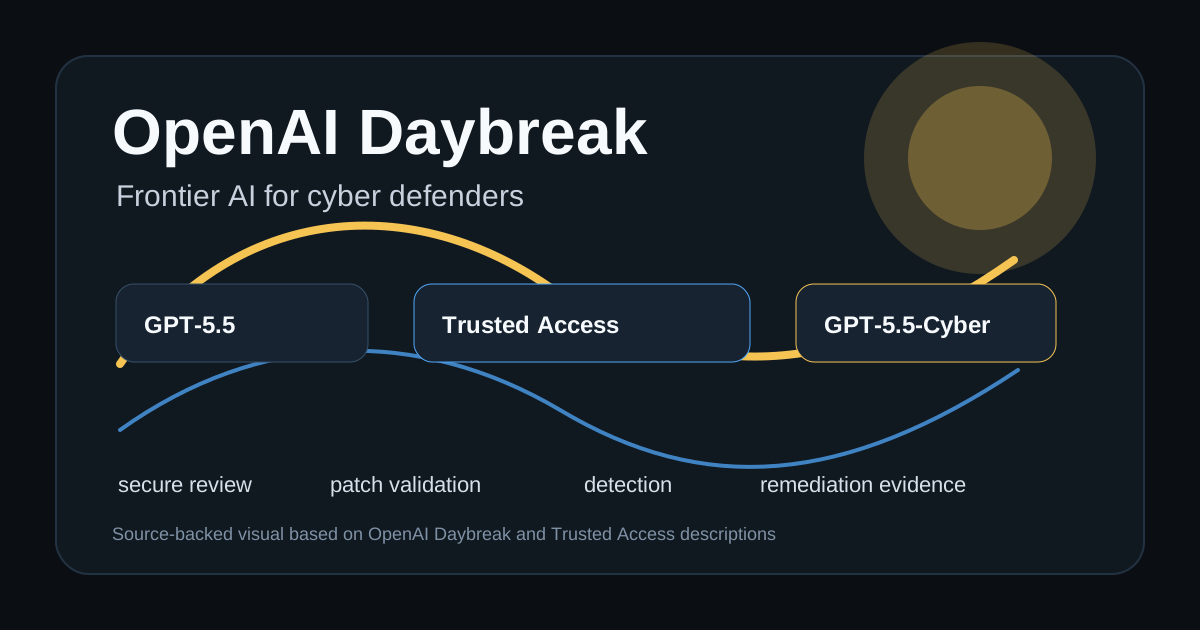
OpenAI Daybreak connects GPT-5.5-Cyber and Codex Security to vulnerability discovery, patch validation, detection, and audit evidence.
AI
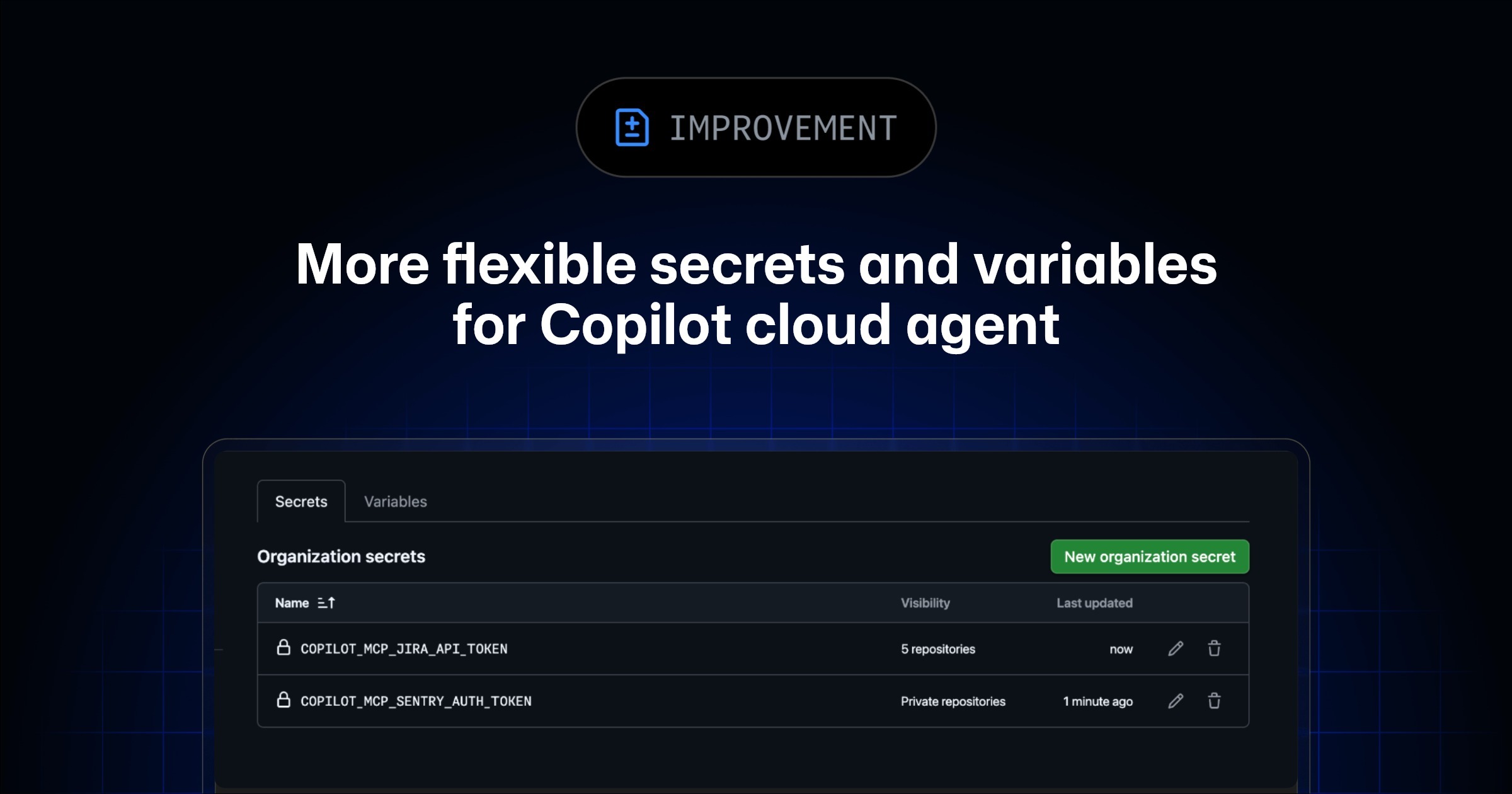
GitHub shipped Agents secrets for Copilot cloud agent, moving private registry and MCP access into organization-level controls.
AI
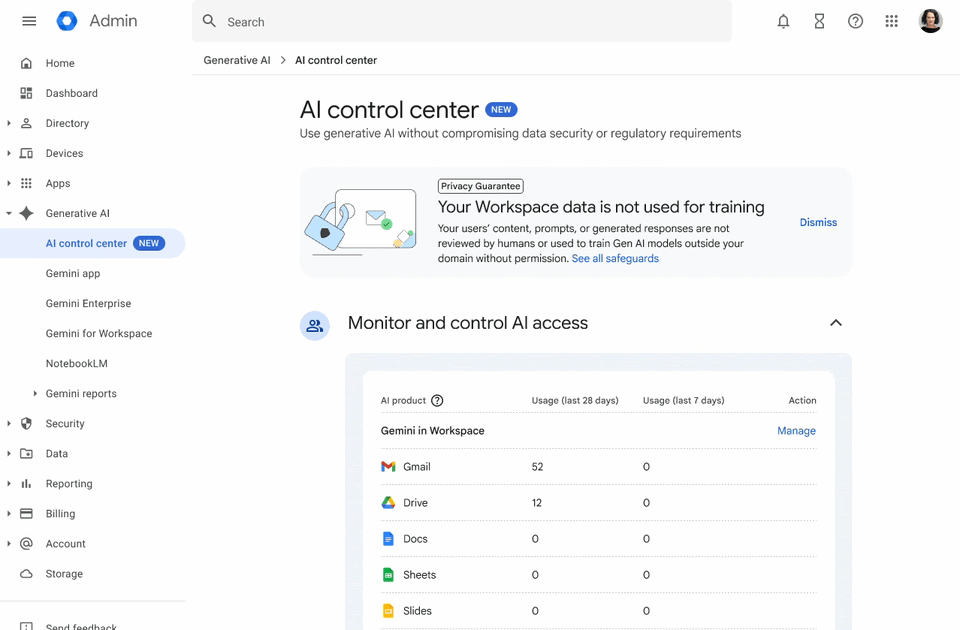
Google Workspace introduced AI control center, making Gemini and agent access to business data a new Admin console governance surface.
AI
Endor Labs expanded AURI with Agent Governance and Package Firewall, shifting AI coding security from code review to runtime control.
AI
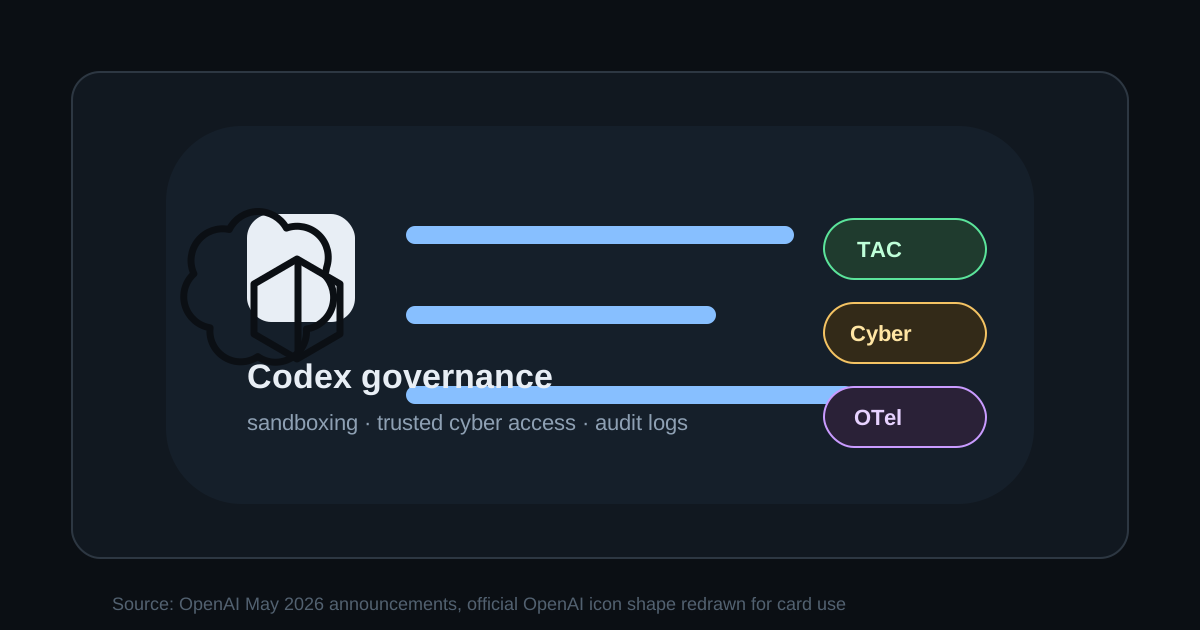
OpenAI published GPT-5.5-Cyber and Codex safety practices back to back. The coding-agent race is shifting from model quality to permissions, sandboxing, and audit logs.