AI
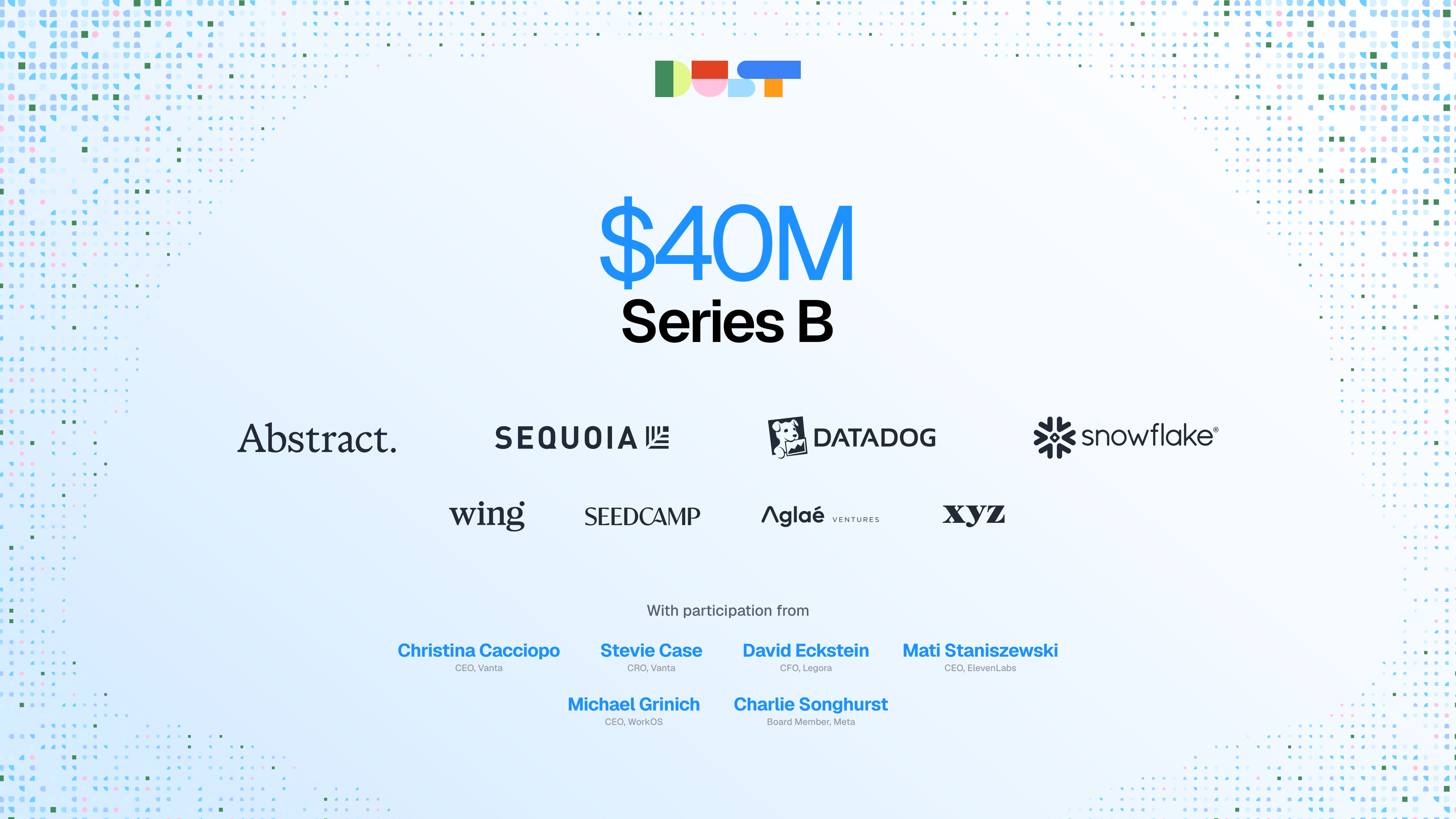
Dust Raises $40M as Enterprise AI Hits a Teamwork Bottleneck
Dust’s Series B is a signal that enterprise AI is moving from personal chatbots toward shared workspaces where people and agents operate together.
AI
Dust’s Series B is a signal that enterprise AI is moving from personal chatbots toward shared workspaces where people and agents operate together.
AI
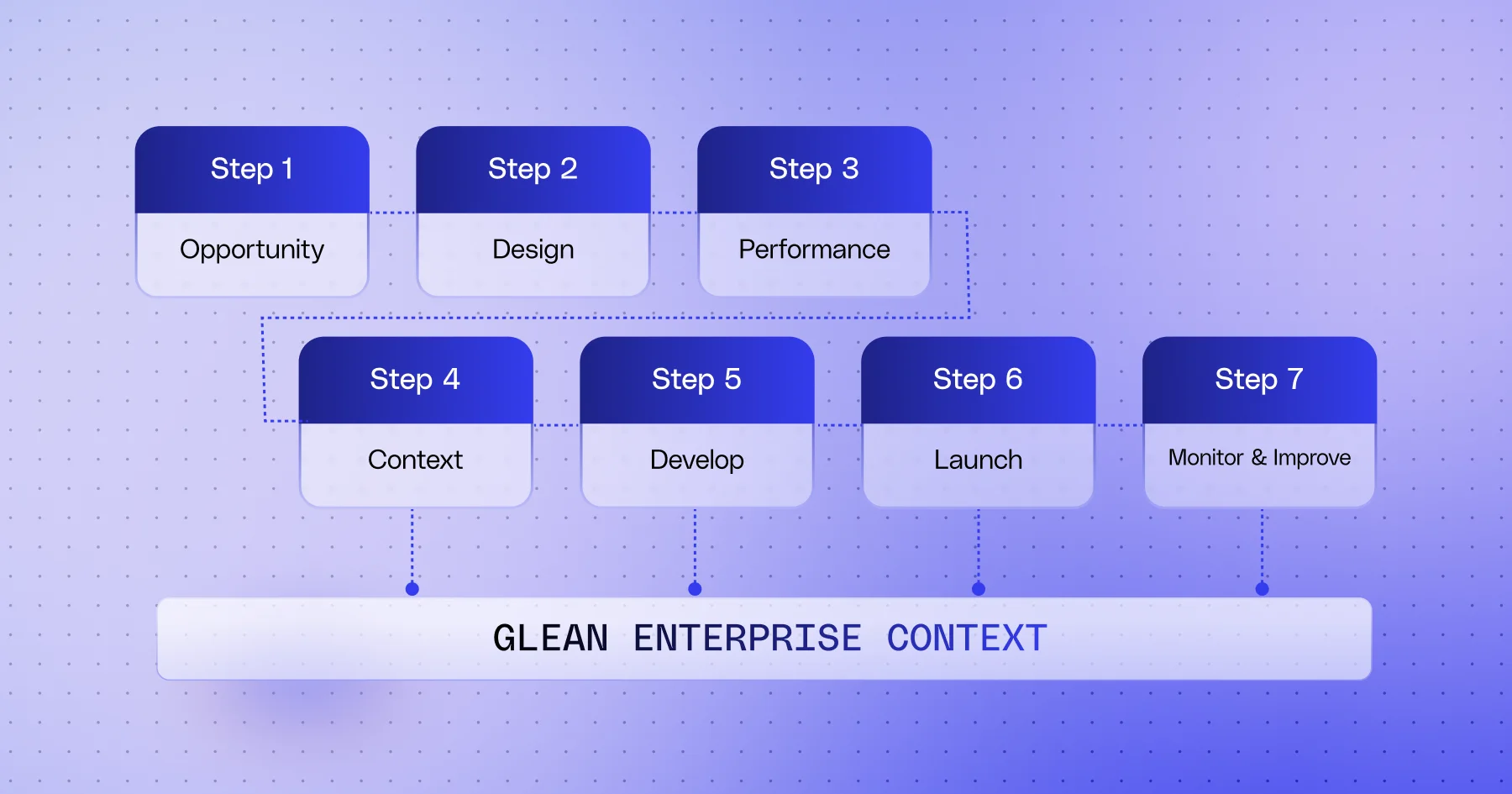
Glean ADLC shows enterprise AI agent competition moving from demo counts to lifecycle, trace, access policy, and ROI measurement.
AI
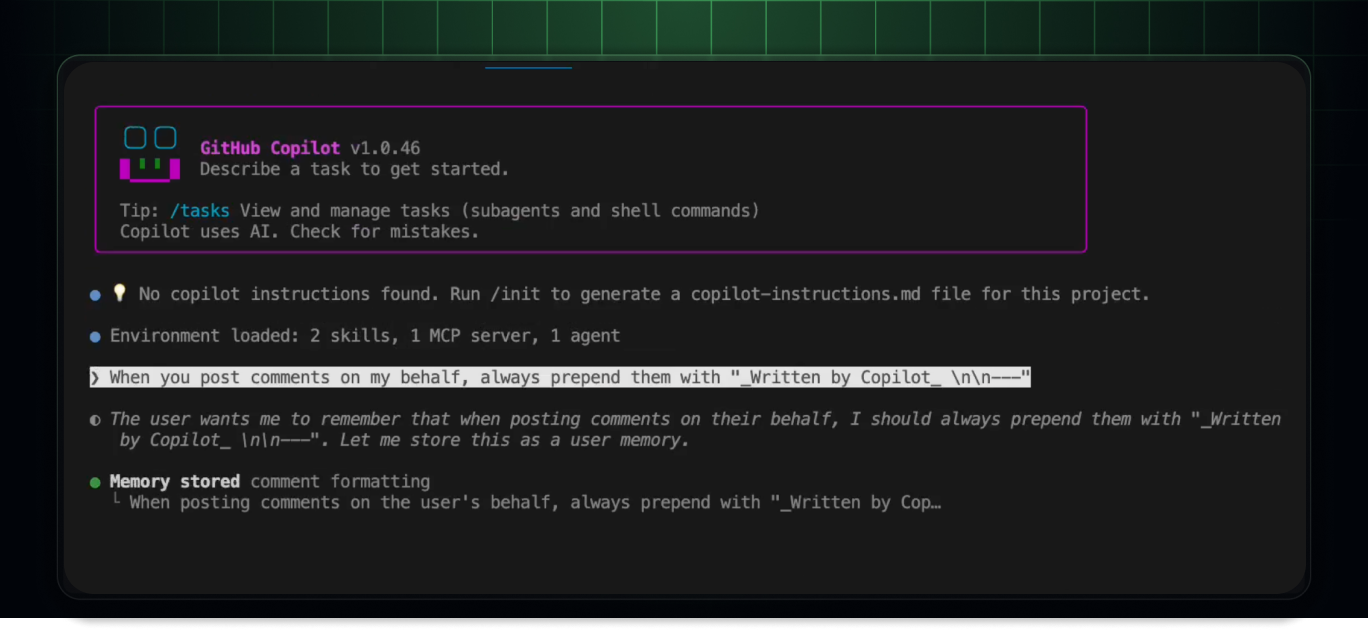
GitHub Copilot Memory user preferences show coding agents moving from answer quality toward persistent context, work habits, and trust management.
AI
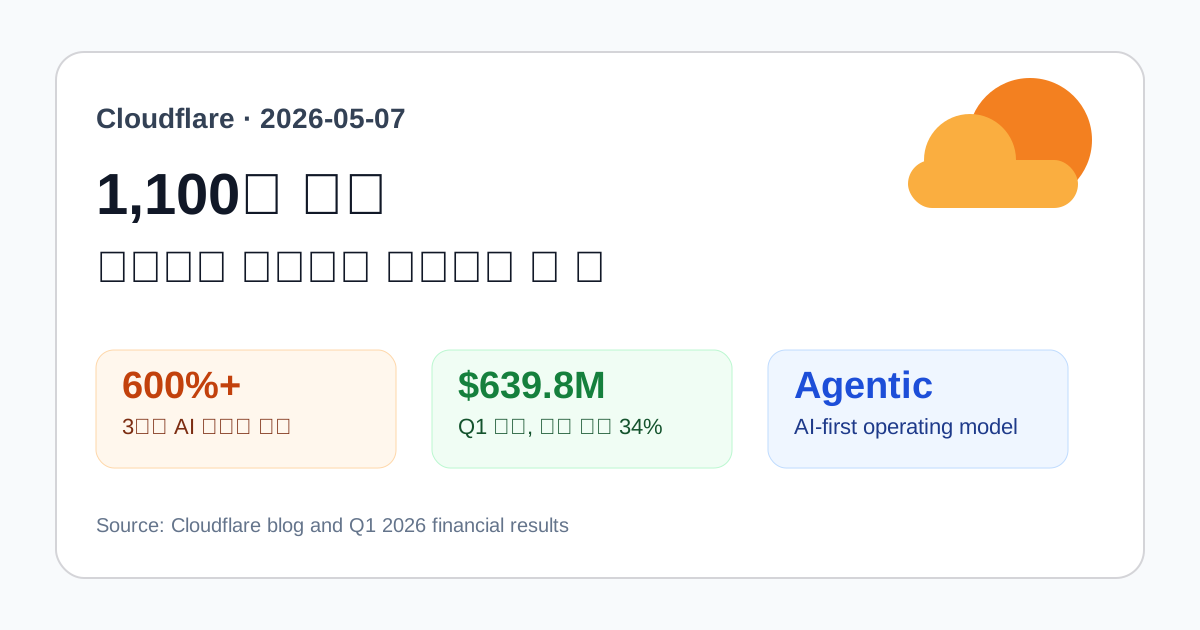
Cloudflare tied a 600% jump in internal AI use to a 1,100-person workforce reduction. The important story is how agent metrics are entering operating models.
AI
GitHub accessibility agent pilot shows what AI code review needs when quality assurance depends on data, escalation gates, and human judgment.
AI
SoundHound OASYS frames voice agents as a self-learning operations layer across phones, cars, kiosks, stores, and customer workflows.
AI
Freshworks AI Agent Studio turns ITSM into an execution layer for AI agents, with MCP Gateway and xLA as the control points.
AI
Notion introduced a Developer Platform with Workers, External Agents API, Agent SDK, and CLI, moving its workspace toward AI agent runtime infrastructure.
AI
Cursor brought Cloud Agent into Microsoft Teams and tied PR review, parallel builds, and PR splitting into a broader agent operations layer.
AI Coding
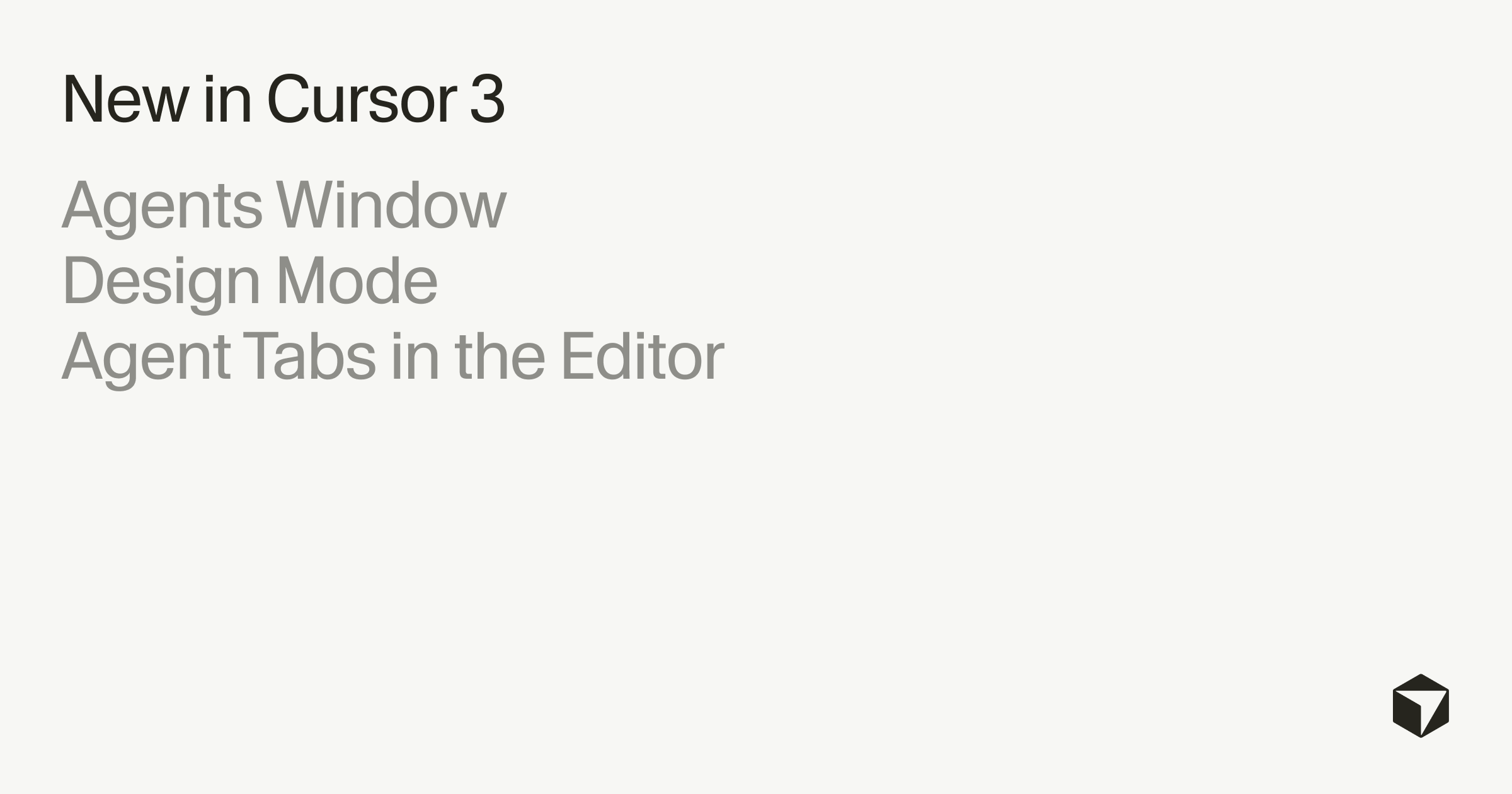
Anysphere launched Cursor 3 with an agent-first workspace, parallel agents, local-cloud handoff, Design Mode, and Composer 2 as Cursor shifts from editor to orchestration surface.