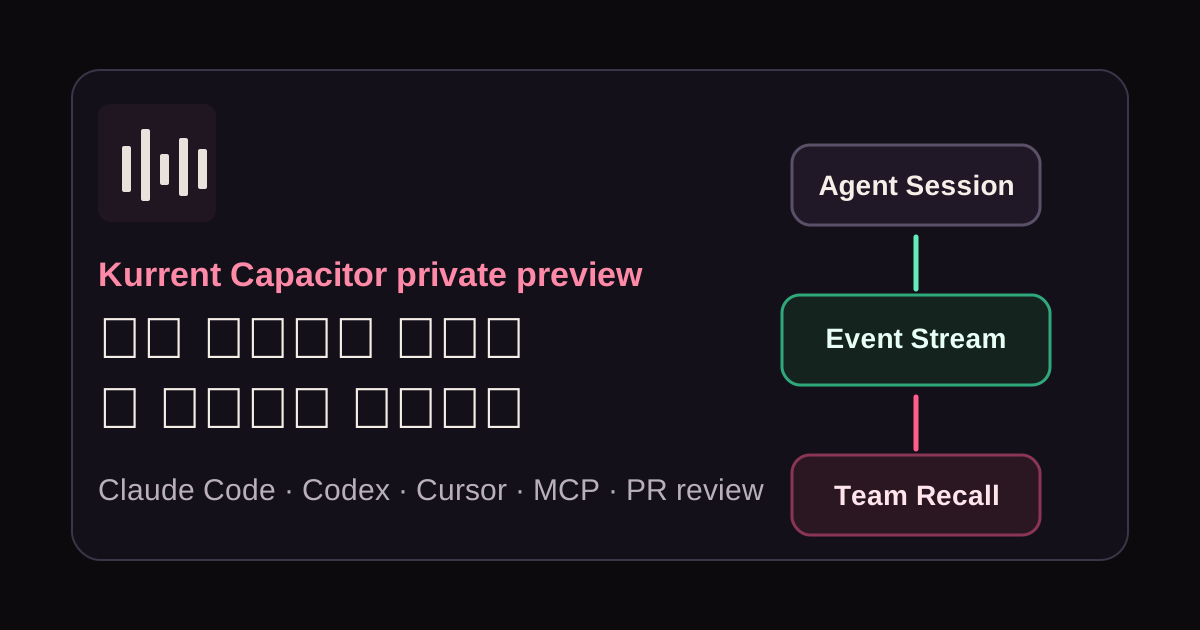
Kurrent Capacitor turns coding agent sessions into team memory
Kurrent Capacitor records Claude Code, Codex, and Cursor sessions as shared memory for PR review, recall, and agent evaluation.
Salt Code uses MCP to push security policy into Cursor, Codex, Claude Code, and other AI coding assistants before vulnerable code reaches review.
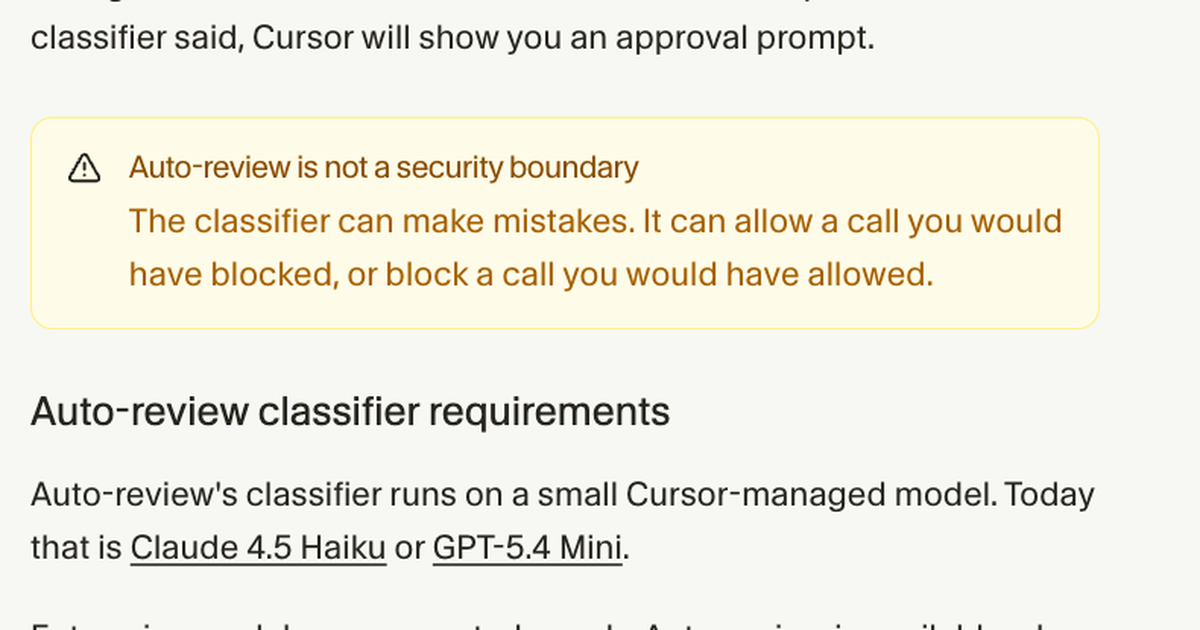
Cursor 3.6 Auto-review Run Mode routes Shell, MCP, and Fetch calls through allowlists, sandboxing, classifier review, and user approval.
Cursor and Endor Labs formalized a hooks-based security partnership for agentic coding, blocking package installs, MCP use, and risky commands inside the IDE loop.
Faire says Cursor Cloud Agents doubled weekly PR throughput and now run 2,000+ times per week, shifting the bottleneck from models to environment, permissions, and workflow.
agentmemory points at a new layer for coding agents: shared local memory across Claude Code, Codex, Cursor, OpenCode, and other tools.
Cursor Cloud Agent lessons show coding-agent competition moving from models alone to VMs, Temporal workflows, indexing, permissions, and self-healing operations.
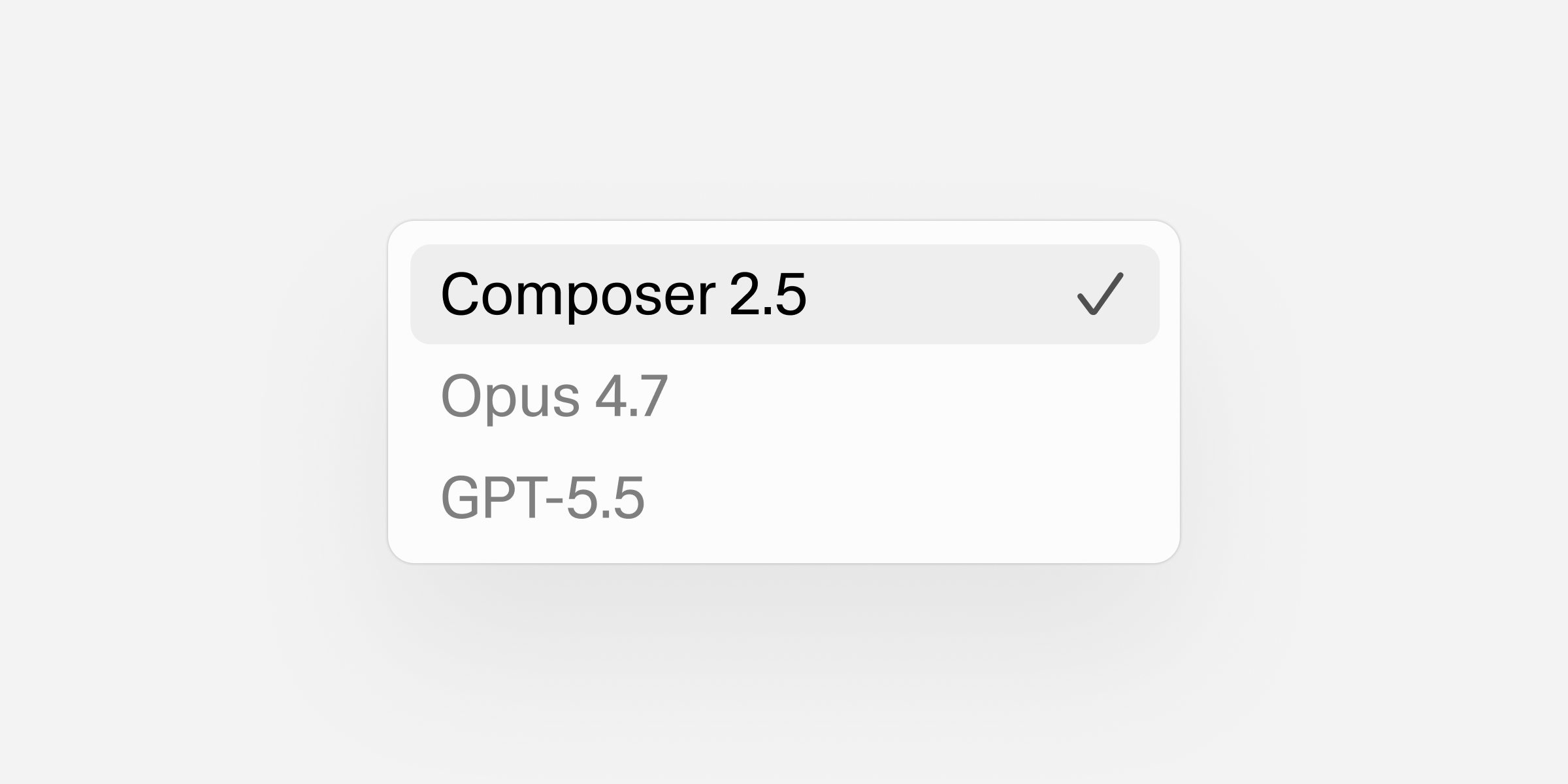
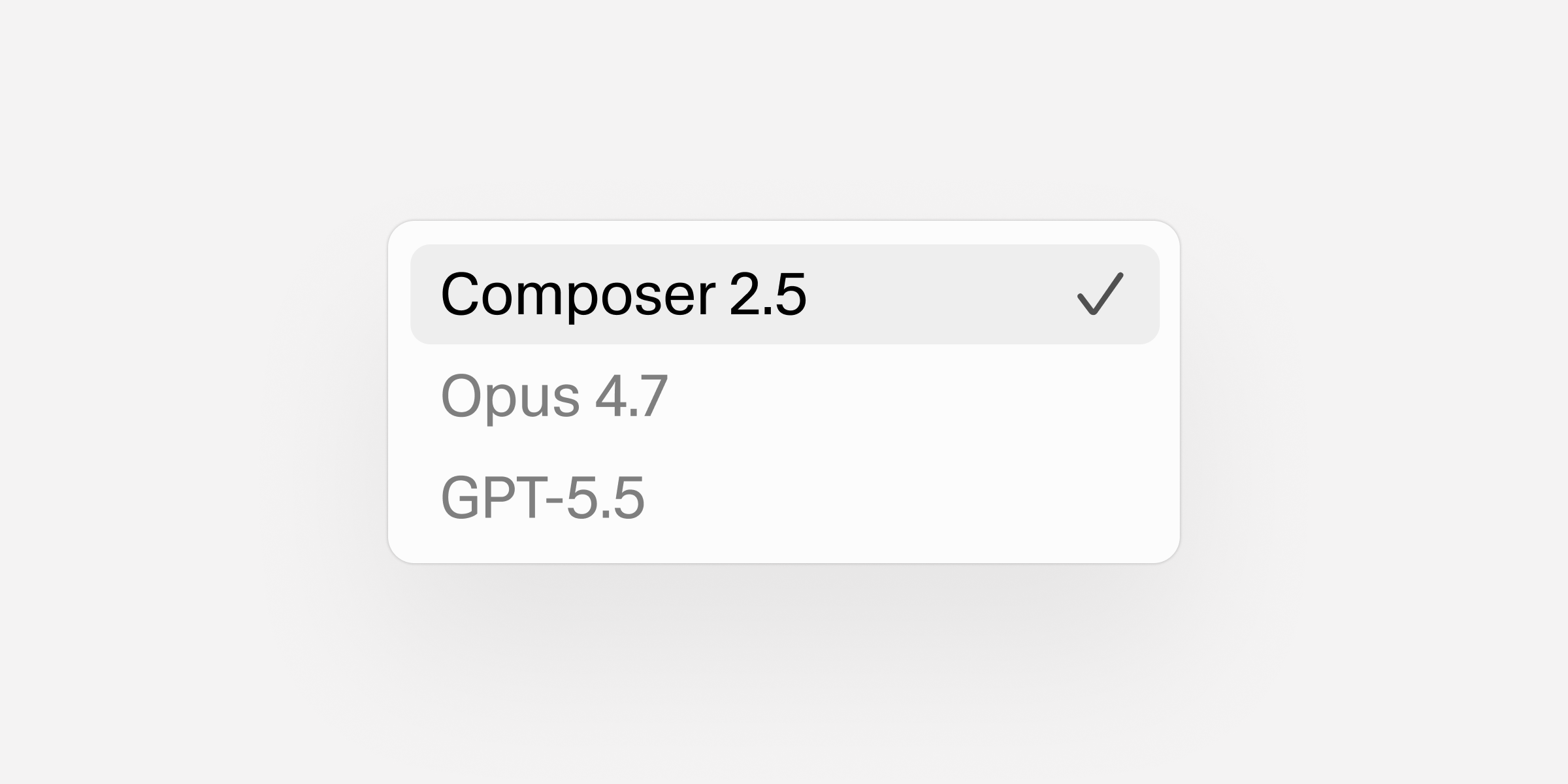
Cursor Composer 2.5 is less about another coding model and more about cheaper agent loops, synthetic RL, and IDE-native tool behavior.
Cursor Composer 2.5 shows the coding-agent race shifting from benchmark scores toward long-task failure points, targeted feedback, and reward-hacking detection.
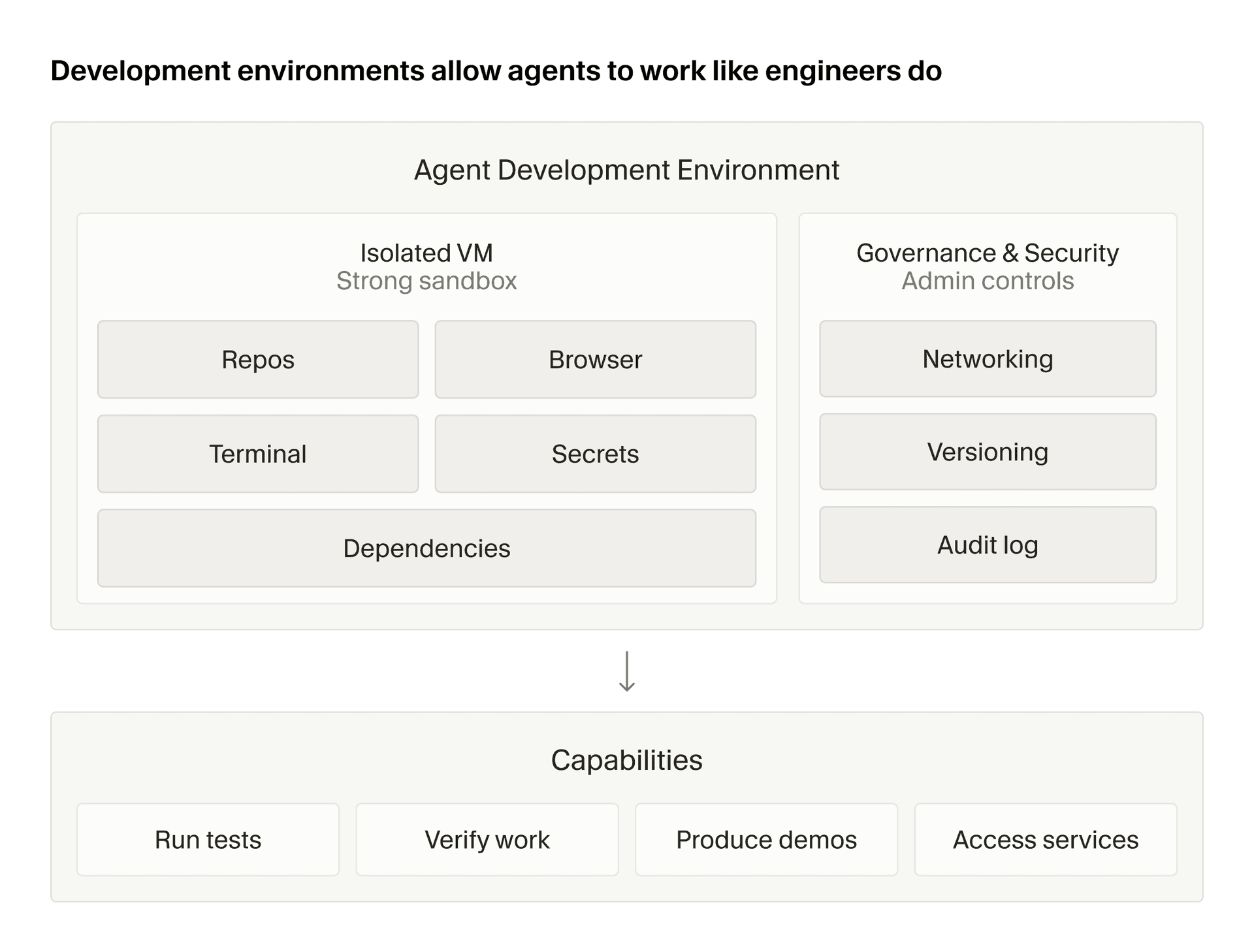
Cursor introduced cloud agent development environments. The coding-agent race is moving from model quality to multi-repo workspaces, secrets, audit logs, and egress control.
Cursor brought Cloud Agent into Microsoft Teams and tied PR review, parallel builds, and PR splitting into a broader agent operations layer.
Anysphere launched Cursor 3 with an agent-first workspace, parallel agents, local-cloud handoff, Design Mode, and Composer 2 as Cursor shifts from editor to orchestration surface.