Industry & Policy
Claude Agent SDK credits move agent automation into metered budgets
Anthropic is separating Claude Agent SDK usage into monthly credits, making coding-agent automation a budgeted workflow rather than plain subscription usage.
Anthropic is separating Claude Agent SDK usage into monthly credits, making coding-agent automation a budgeted workflow rather than plain subscription usage.

Claude for Small Business packages QuickBooks, PayPal, HubSpot, Canva, and other tools into agentic workflows for SMB operations.

Anthropic connected Claude to CoCounsel, LexisNexis, iManage, and legal plugins, shifting legal AI toward verifiable workflow data.

Anthropic and AWS made Claude Platform on AWS generally available, giving AWS customers a native Claude agent stack alongside Bedrock.

UiPath now connects Claude Code and Codex to its automation platform, moving the coding-agent race toward deployment, audit, and governance layers.

Anthropic doubled Claude Code five-hour limits after a SpaceX Colossus 1 compute deal. The AI coding agent race is shifting from model quality to infrastructure, quotas, and long-running reliability.
Claude Code 2.1.139 adds /goal, a session-level completion loop where a separate evaluator decides when an agent has actually finished.

Anthropic released 10 Claude agent templates for finance and insurance, showing how regulated industries may package agents around workflows, data, approval, and audit.
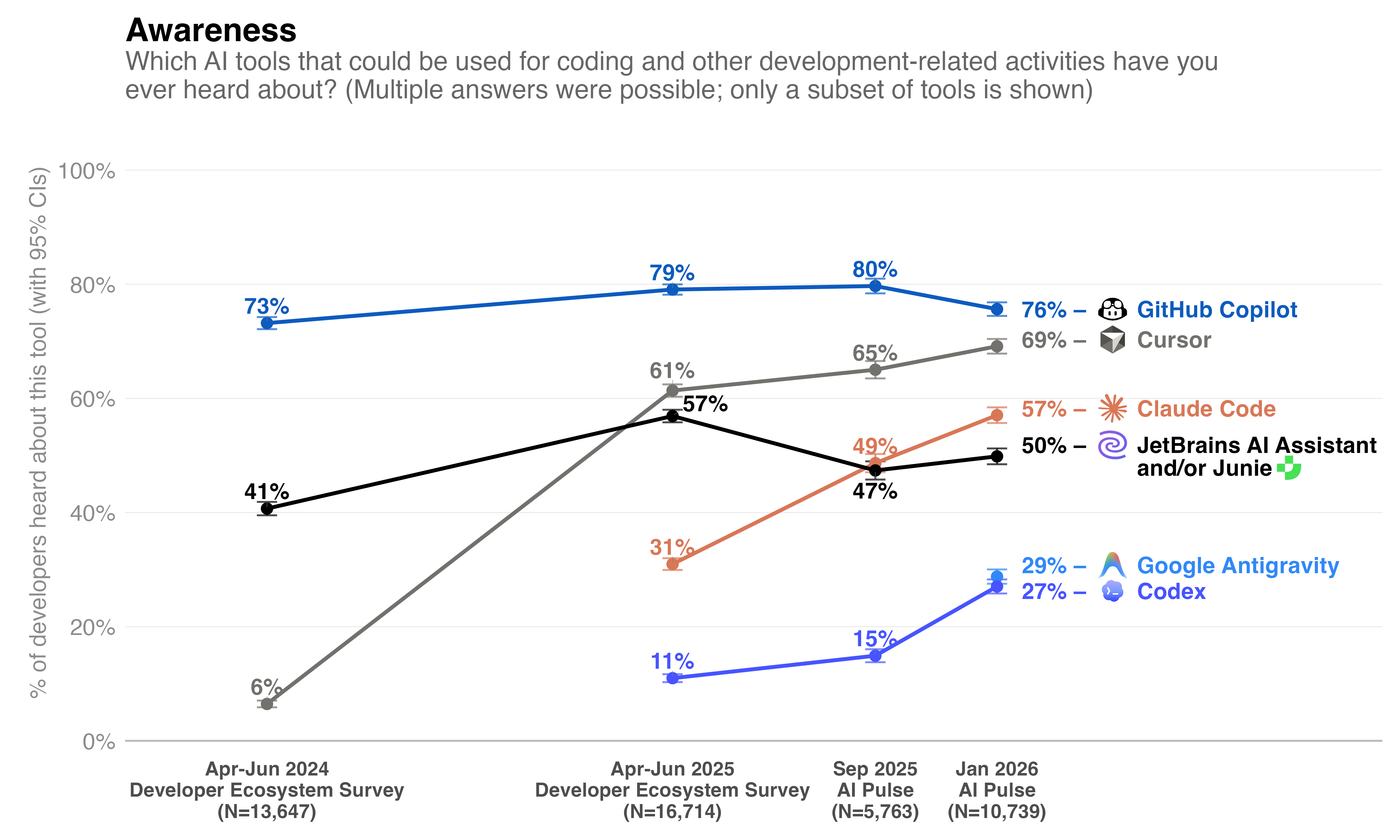
JetBrains AI Pulse says Claude Code reached 91% CSAT and an NPS of 54 while GitHub Copilot growth stalled, pushing AI coding toward a best-of-breed market.

MiniMax M2.7 uses a self-evolution loop around OpenClaw, activates only 10B of 230B parameters, and challenges premium coding models on price, benchmarks, and licensing.

Anthropic is limiting Claude Mythos Preview to Project Glasswing partners after reporting large jumps in autonomous vulnerability discovery, exploit chaining, and cyber safety risk.
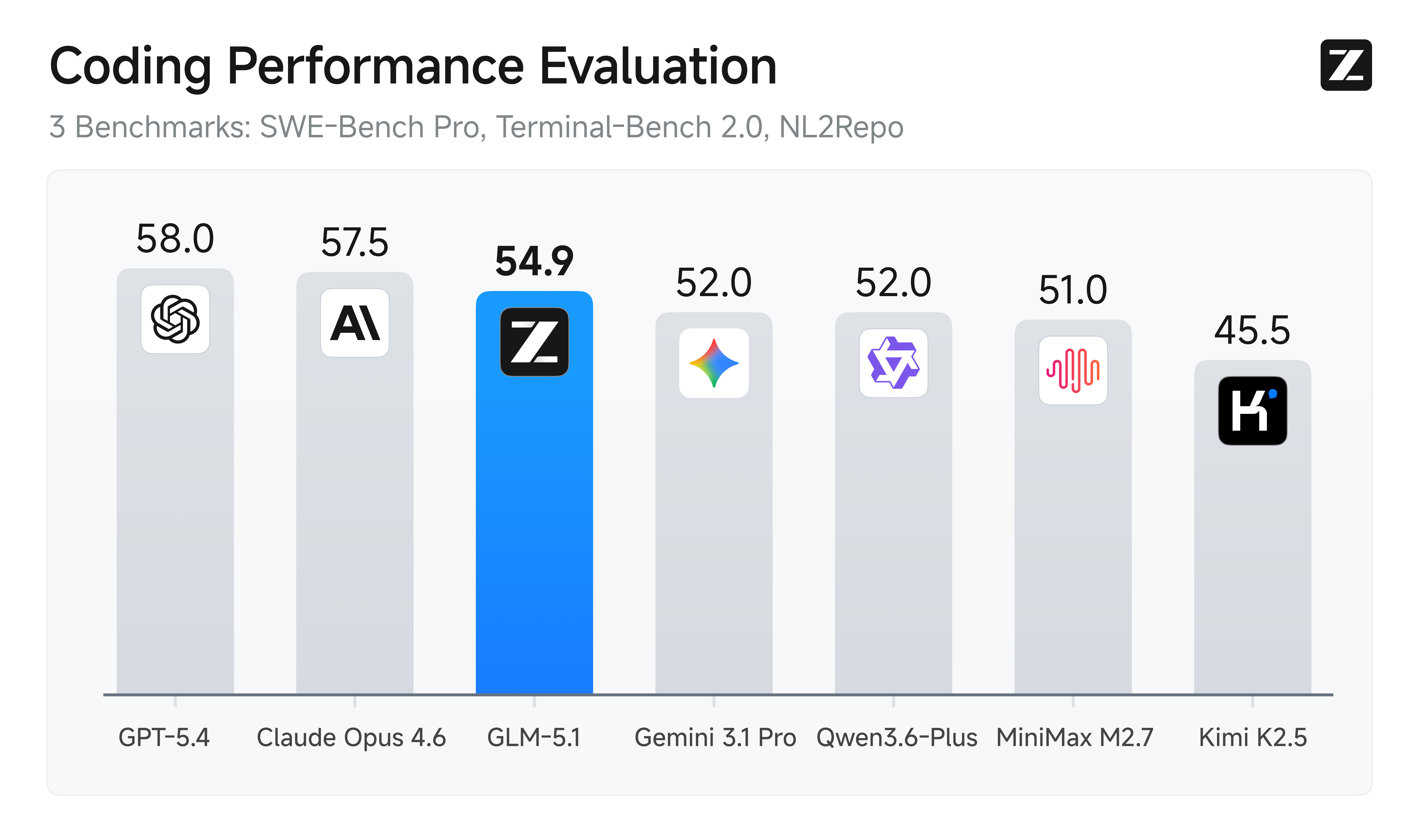
China-based Z.ai released GLM-5.1 under MIT terms and topped SWE-Bench Pro with a 744B MoE coding model, sharpening the open-source versus closed-model split.