
AI
Coding agents get a browser runtime, not just a code editor
Chrome DevTools for agents lets coding agents inspect real browser state, Lighthouse results, console logs, and network traffic before claiming a fix works.
AI
Chrome DevTools for agents lets coding agents inspect real browser state, Lighthouse results, console logs, and network traffic before claiming a fix works.
AI
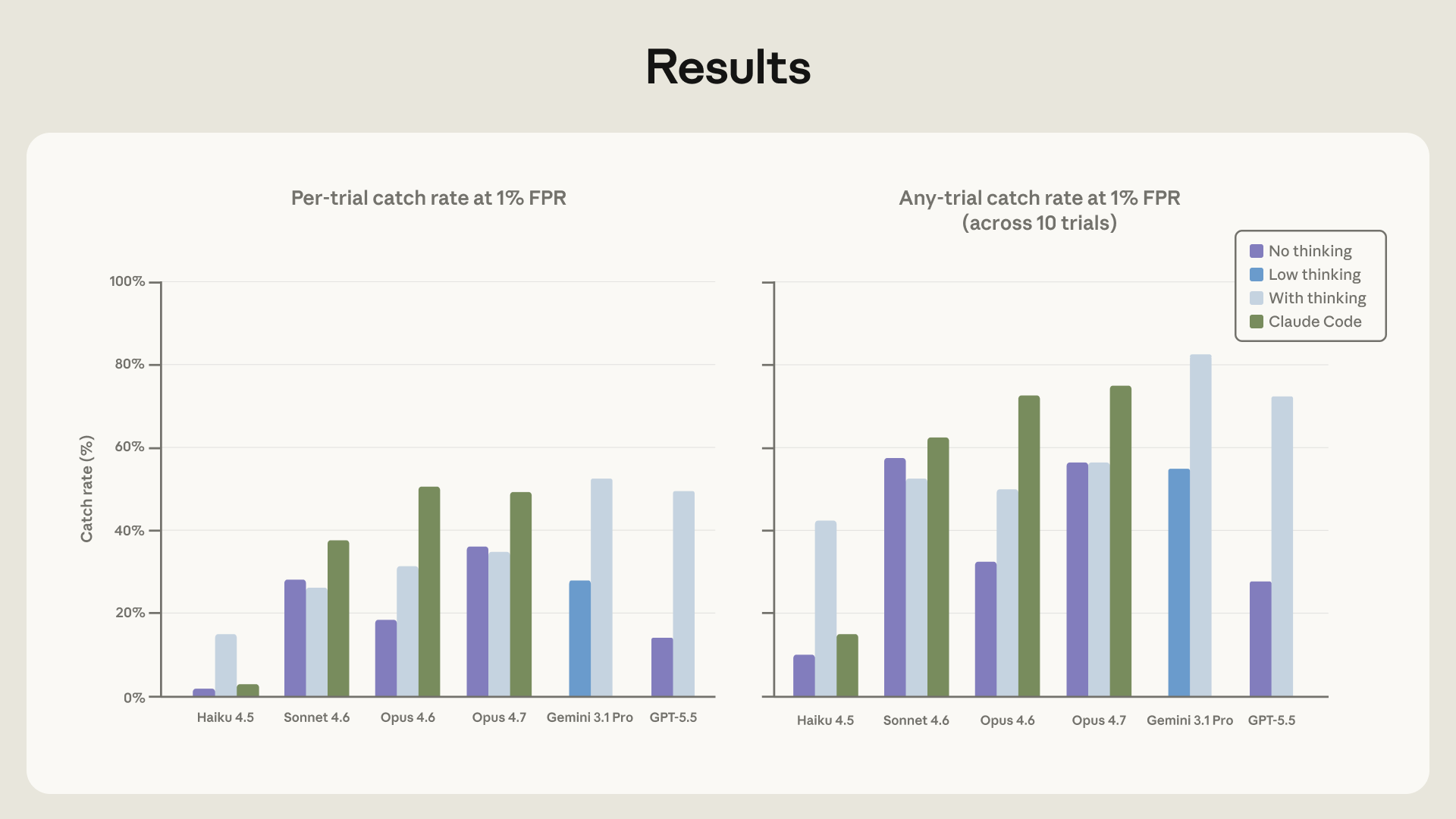
SLEIGHT-Bench uses 40 synthetic attacks to show how easily LLM monitors can miss risky behavior by coding agents.
AI
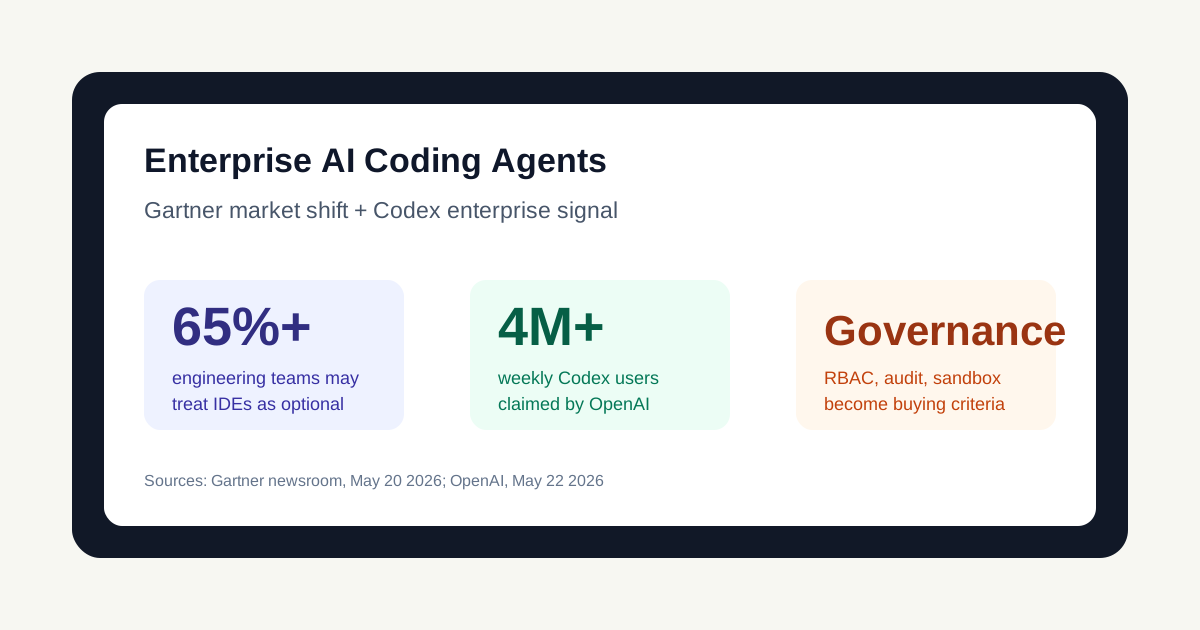
Gartner and OpenAI show how AI coding agents are moving from model benchmarks toward governance, sandboxing, auditability, and cost control.
AI
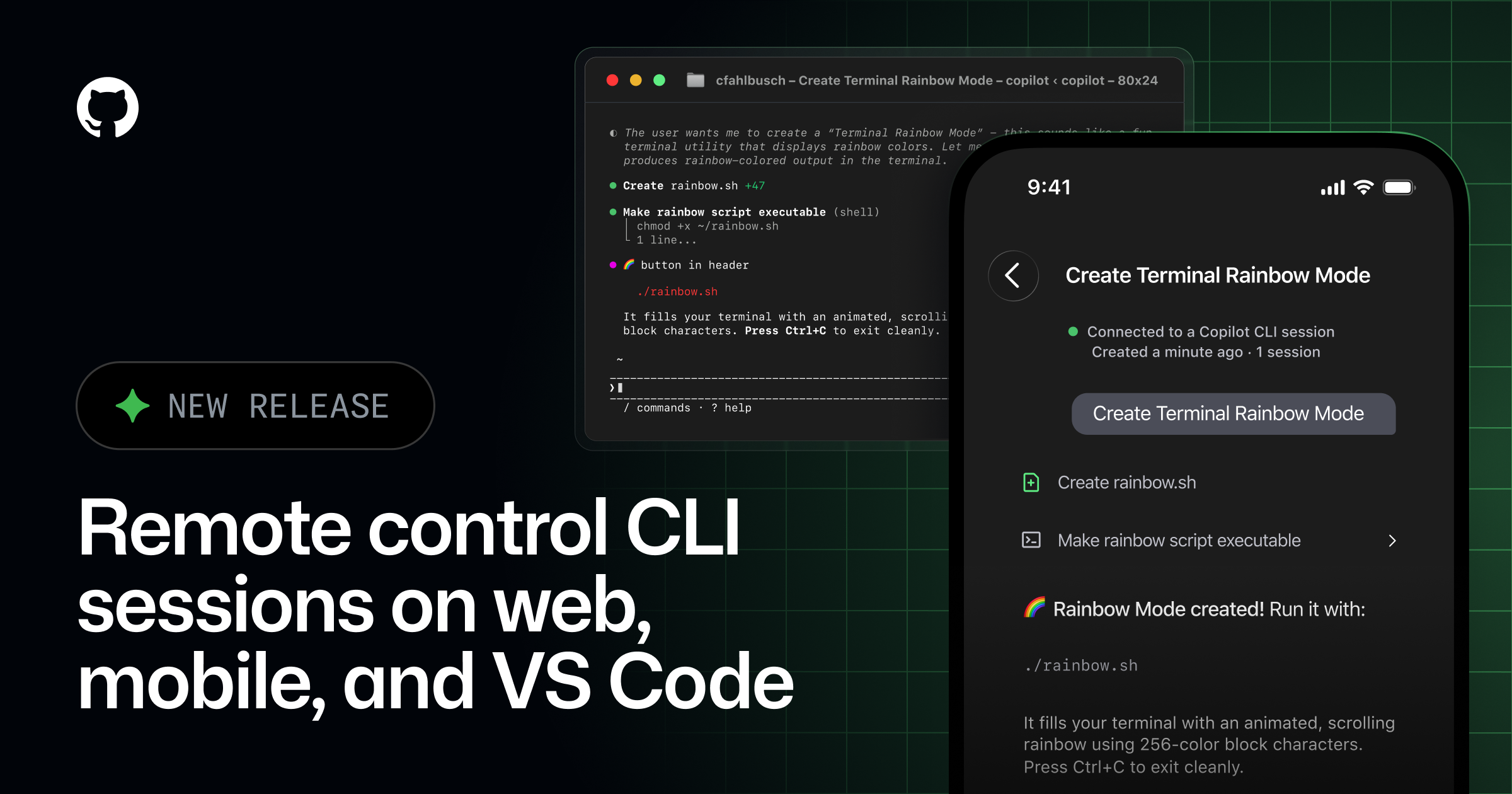
GitHub Copilot CLI remote control and automatic model routing turn coding agents from IDE helpers into long-running sessions that teams must operate.
AI
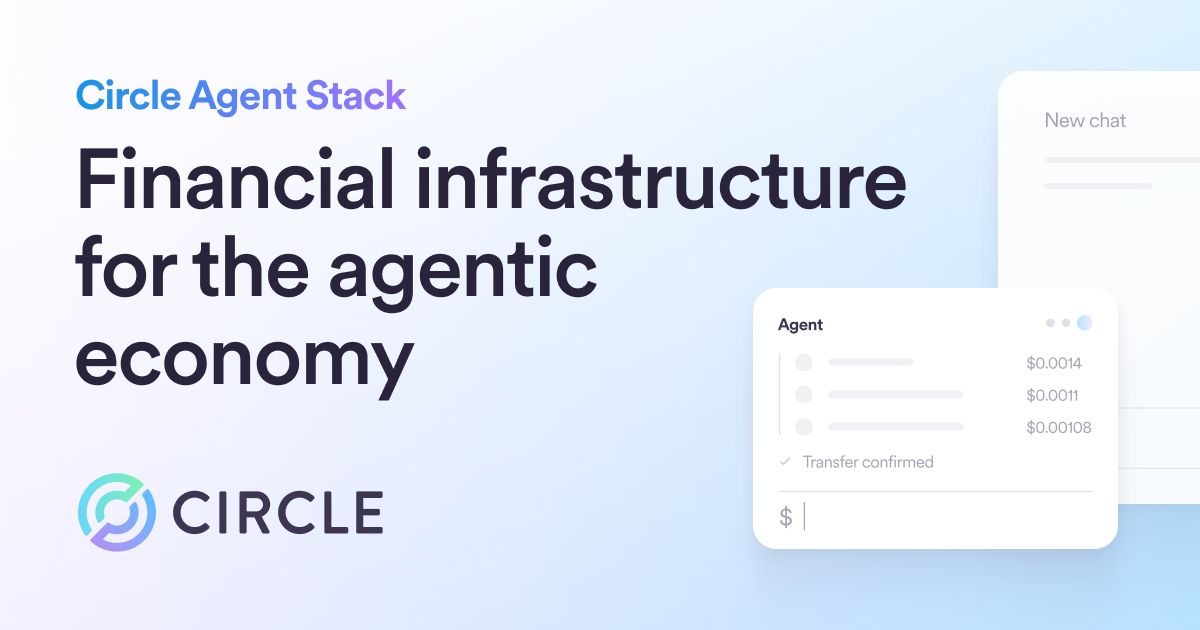
Circle Agent Stack opens a path for AI agents to pay for APIs and services with USDC, while exposing sharper responsibility and security boundaries.
AI
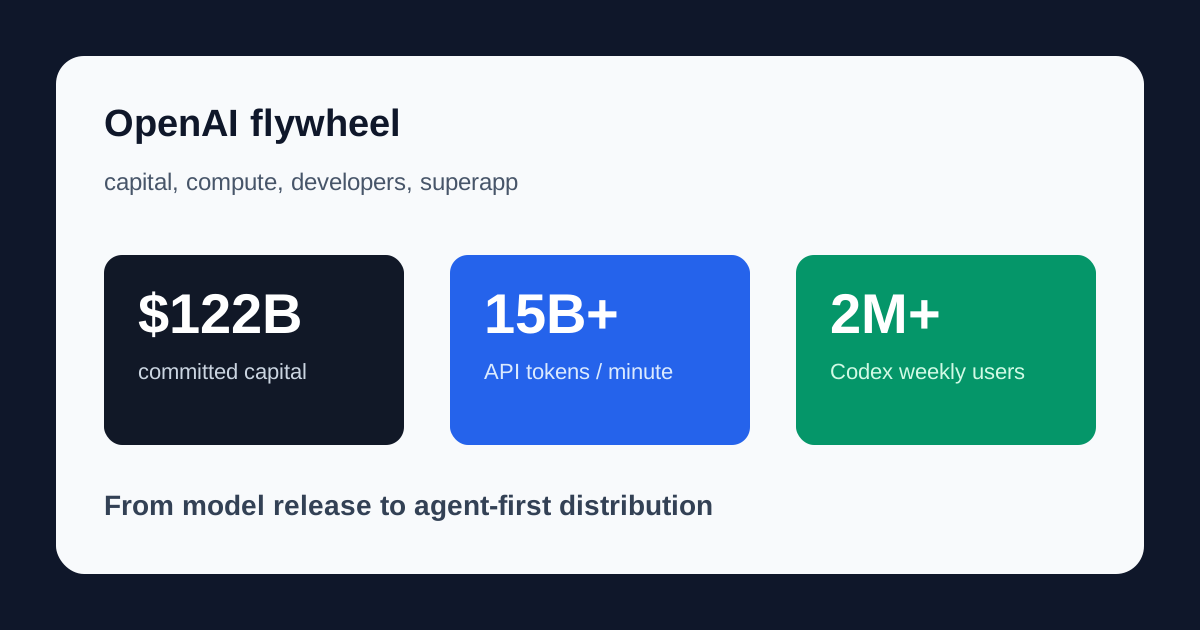
OpenAI’s $122B raise is not just financing. It ties ChatGPT, Codex, API usage, enterprise adoption, and compute into one agent-first flywheel.
AI
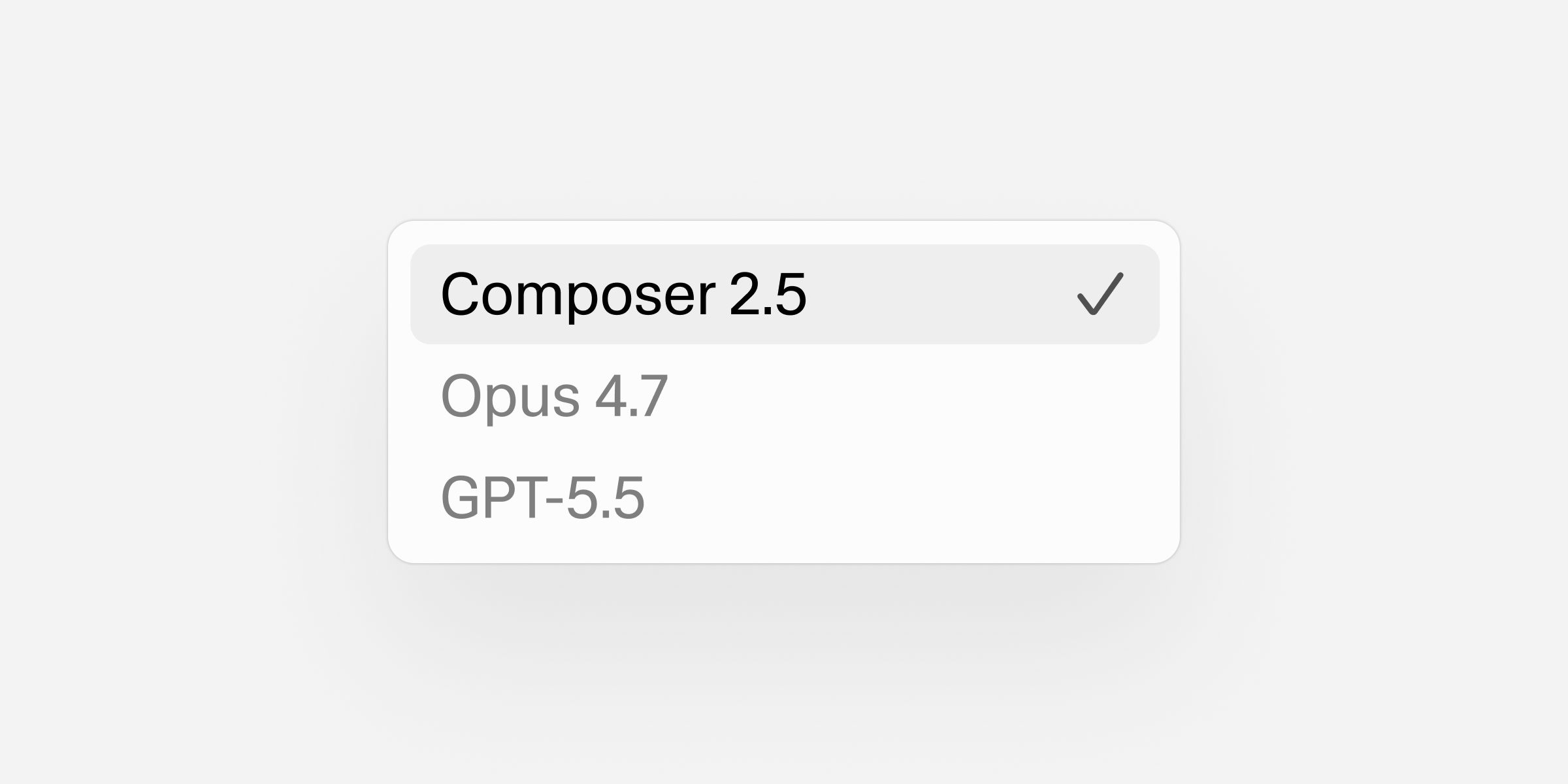
Cursor Composer 2.5 shows that post-training and reward-hacking control now matter as much as the base model in coding-agent competition.
AI
Cohere Command A+ lowers the bar for private AI agents with Apache 2.0 open weights and a two-H100 deployment target.

AI
Android Studio I/O Edition brings Agent Skills and Android CLI into the mobile workflow, turning Android development into an agent-readable knowledge layer.
AI
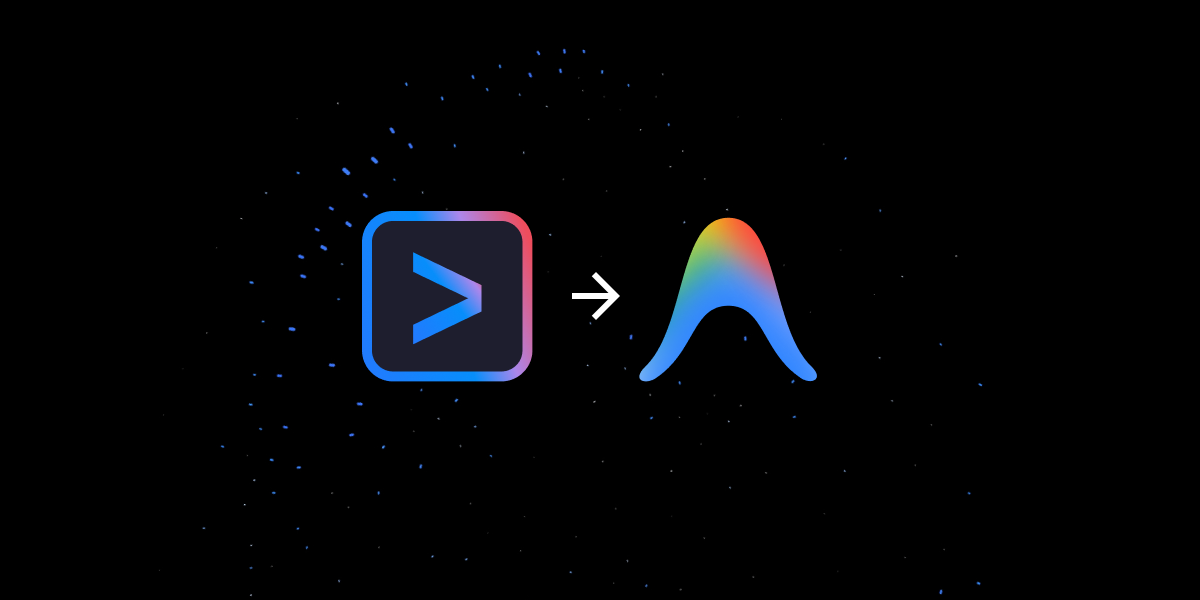
Google is moving individual Gemini CLI users to Antigravity CLI. A 100K-star open source agent is being absorbed into a broader platform.

AI
Anthropic’s Stainless acquisition shows why SDKs, CLIs, and MCP server generation have become strategic plumbing for AI agent platforms.

AI
OpenAI and Dell’s Codex partnership shows enterprise coding-agent competition moving from model quality to internal context, governance, and deployment boundaries.