AI Agents
Fiserv agentOS positions itself as the operating system for banking AI agents
Fiserv introduced agentOS with OpenAI and AWS, showing how banking AI agent competition is shifting from models to operations, audit, and marketplaces.
Fiserv introduced agentOS with OpenAI and AWS, showing how banking AI agent competition is shifting from models to operations, audit, and marketplaces.

Notion introduced a Developer Platform with Workers, External Agents API, Agent SDK, and CLI, moving its workspace toward AI agent runtime infrastructure.

Claude for Small Business packages QuickBooks, PayPal, HubSpot, Canva, and other tools into agentic workflows for SMB operations.
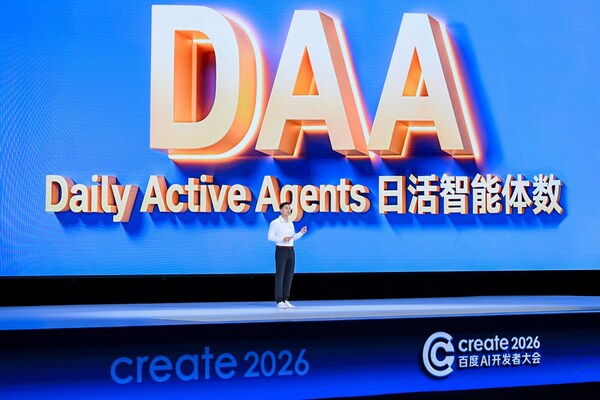
Baidu proposed Daily Active Agents at Create 2026. The platform race is moving from token consumption toward agents that actually complete work.
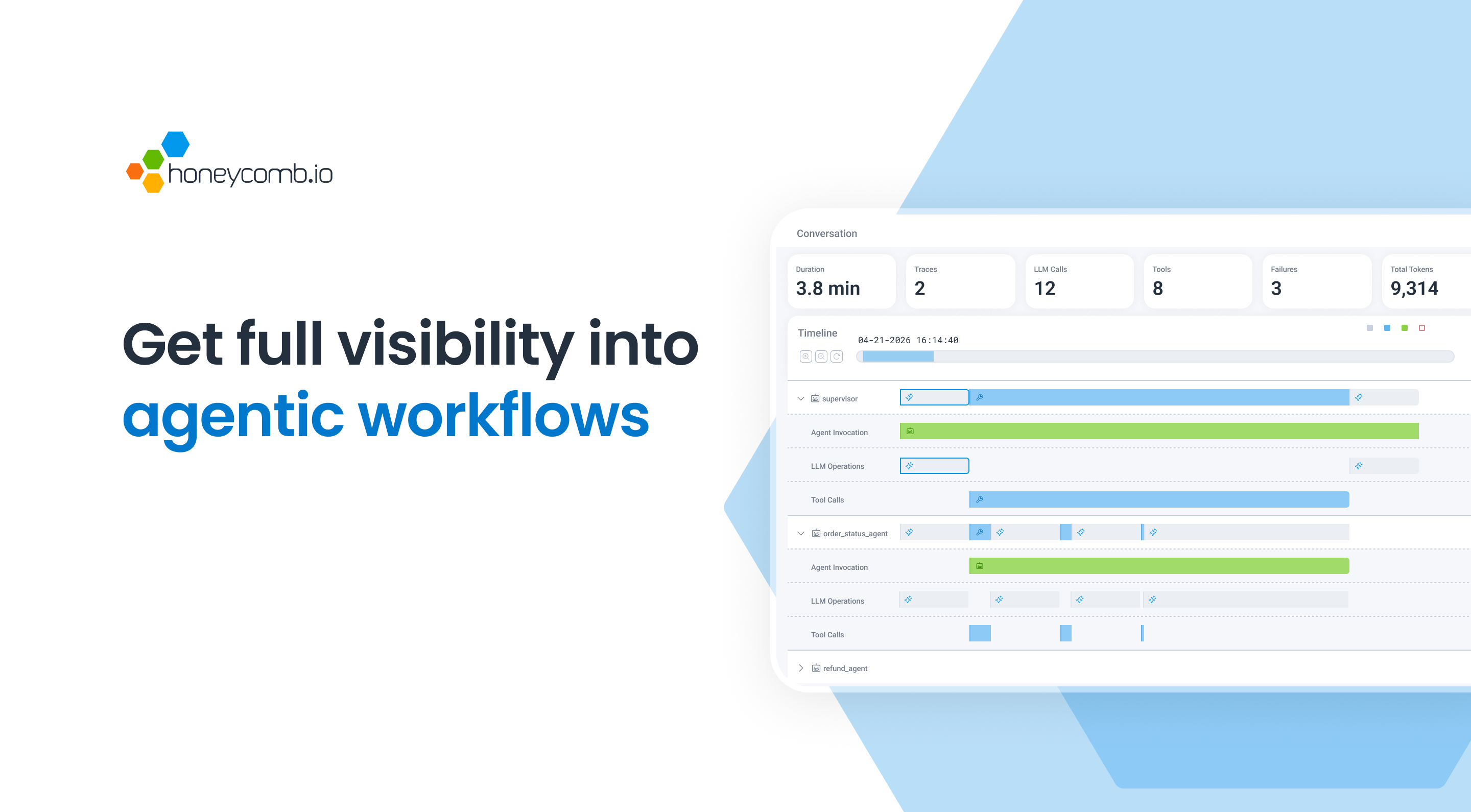
Honeycomb Agent Observability shows that the production bottleneck for AI agents is moving from model-call logs to handoffs, tool calls, costs, and failure reconstruction.

Red Hat Summit 2026 shows how enterprise AI agents may need execution, observability, sandboxing, and governance before they can touch infrastructure.
Google Gemini API Webhooks moves long-running AI jobs from polling loops into event-driven backend operations.
Veeam DataAI Command Platform extends AI agent governance into data sources, identity, backups, and precision recovery.

Anthropic connected Claude to CoCounsel, LexisNexis, iManage, and legal plugins, shifting legal AI toward verifiable workflow data.
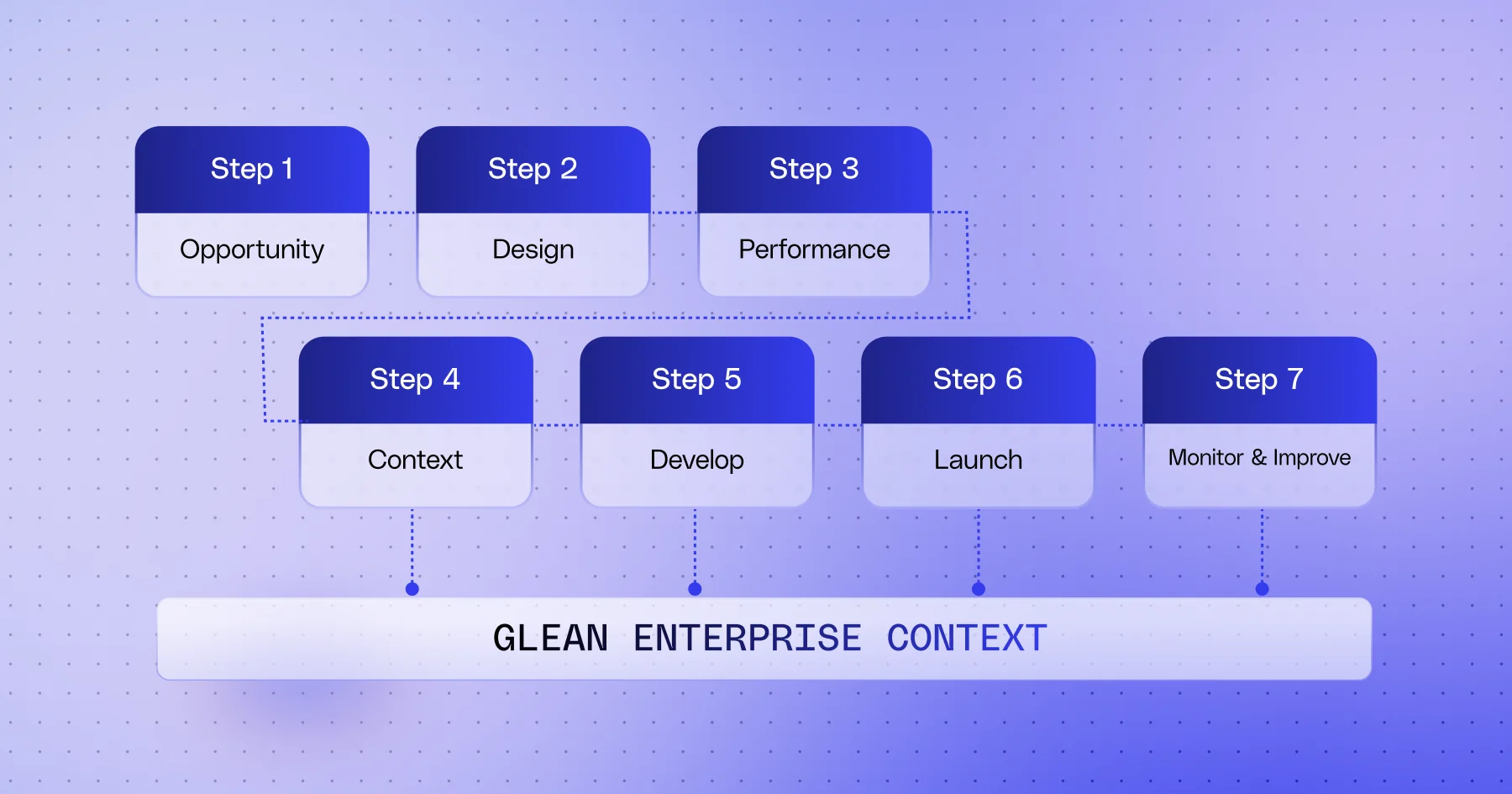
Glean introduced ADLC and new Work AI agent features, showing how enterprise AI is shifting from smarter chatbots to governed agent operations.

Microsoft Agent 365 GA, ServiceNow AI Control Tower, and Cisco Astrix landed in the same week. Agent competition is moving toward control and identity.

SAP Sapphire 2026 reframed enterprise agents as an execution layer inside ERP, data, governance, and partner-controlled business workflows.