Blog
Notes and analysis on AI development.
This Week in AI: DeepSeek retires V4 Pro, Codex harness API, SWE-2
DeepSeek reroutes V4 Pro requests to V4.1 Flash on September 14, and OpenAI opened the Codex agent loop as the Agents API. Cognition SWE-2 scored 50.0% on FrontierCode, 0.9 points behind Fable 5.1, and is free until October 8.
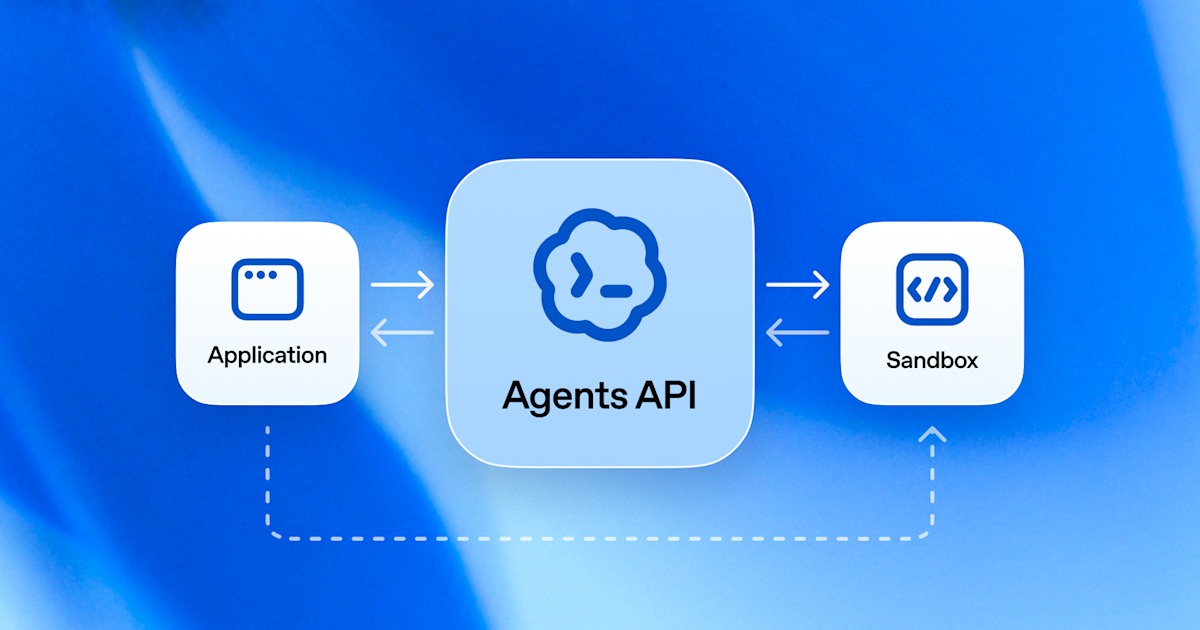
OpenAI Opens the Codex Agent Harness as an API, With US-Only Data and No ZDR
OpenAI put the Codex harness behind the Agents API in public beta on September 10. The API itself is free and a 4GB hosted sandbox costs $0.12 per 20 minutes, but beta data stays in the US and ZDR does not apply.
The Same Model Scores 30 Points Apart Across OpenRouter Hosts, and Default Routing Lands at 69.9%
OpenRouter's own 32-day benchmark table puts DeepSeek V4 Flash 0731 at 76.8% TAU-Bench on one host and 46.4% on another. After an operator's measurements hit the top of Hacker News, OpenRouter said a QoS tier is coming.
DeepSeek Replaces V4 Pro With V4.1 Flash on September 14, Trading Knowledge for Coding
DeepSeek released the 552B open-weight V4.1 Flash on September 10 and will route V4 Pro calls to it from 04:00 UTC on September 14. Agentic coding beats Pro and output is 70% cheaper, but factual recall drops from 55.2 to 42.3.
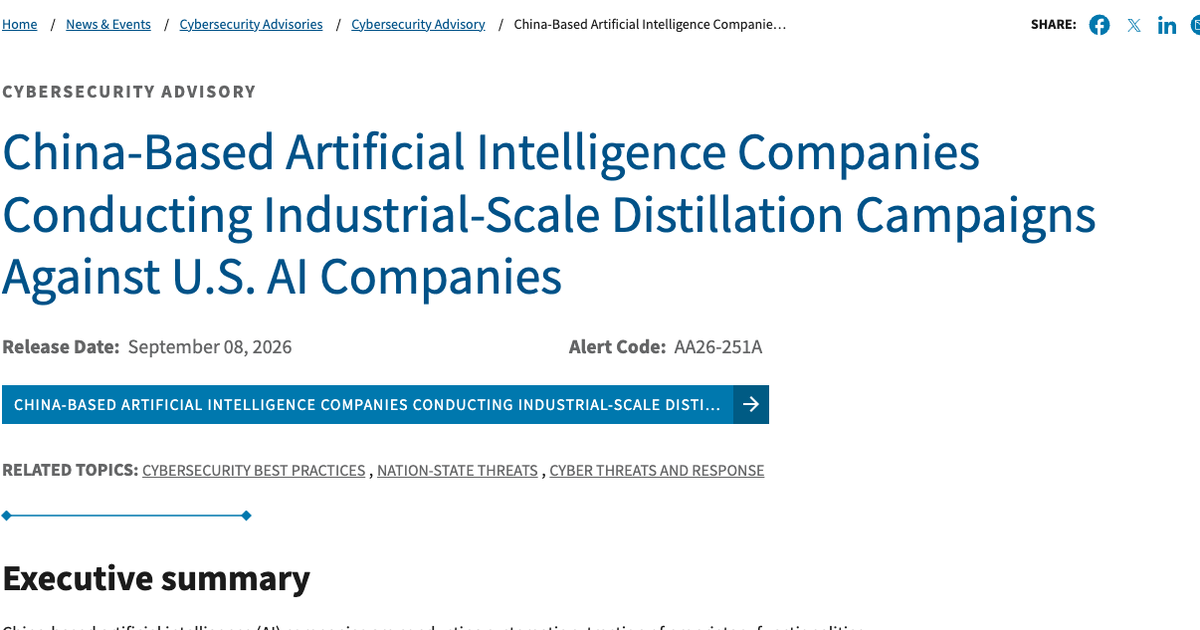
US Advisory Names Six Chinese AI Firms, Then Tells Providers to Quietly Degrade Their Answers
NSA, CISA and the FBI published advisory AA26-251A on September 8, naming DeepSeek, Alibaba and four others. The recommended mitigation is not an account ban but an unannounced drop in answer quality, and the detection signatures do not separate a distillation campaign from a production agent running around the clock.
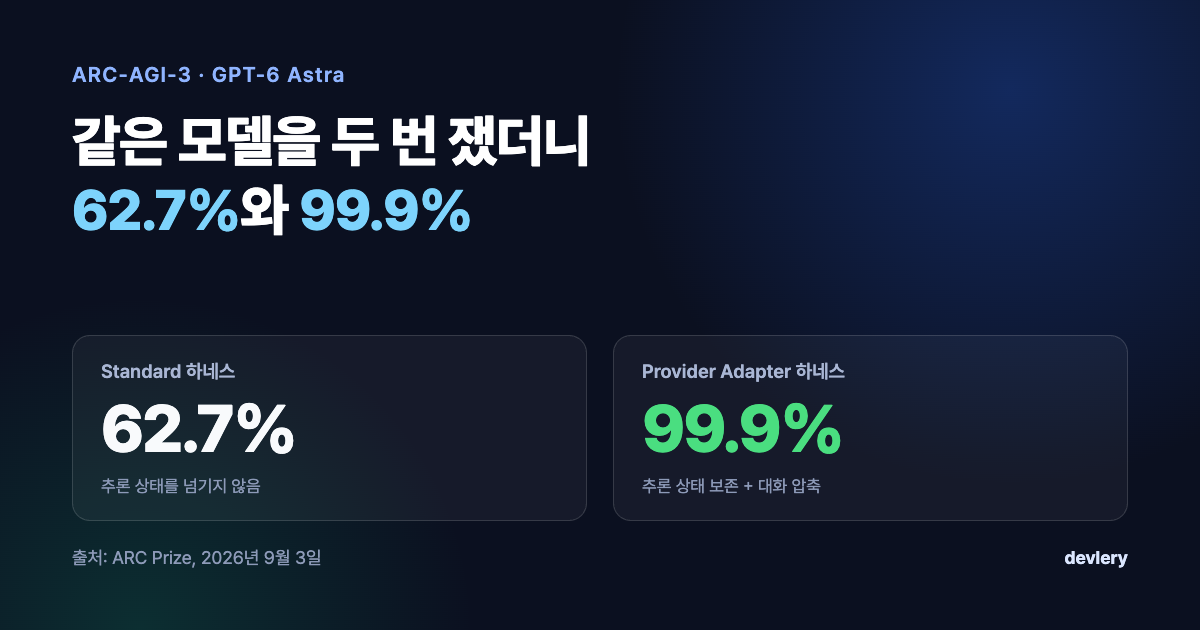
GPT-6 Astra's 99.9% Came From OpenAI's Own Harness; the Neutral One Says 62.7%
ARC Prize ran GPT-6 Astra on ARC-AGI-3 under two harnesses and got 62.7% and 99.9%. Same model, same games. The only difference was whether reasoning state survived between calls. The leaderboard will now carry both numbers.
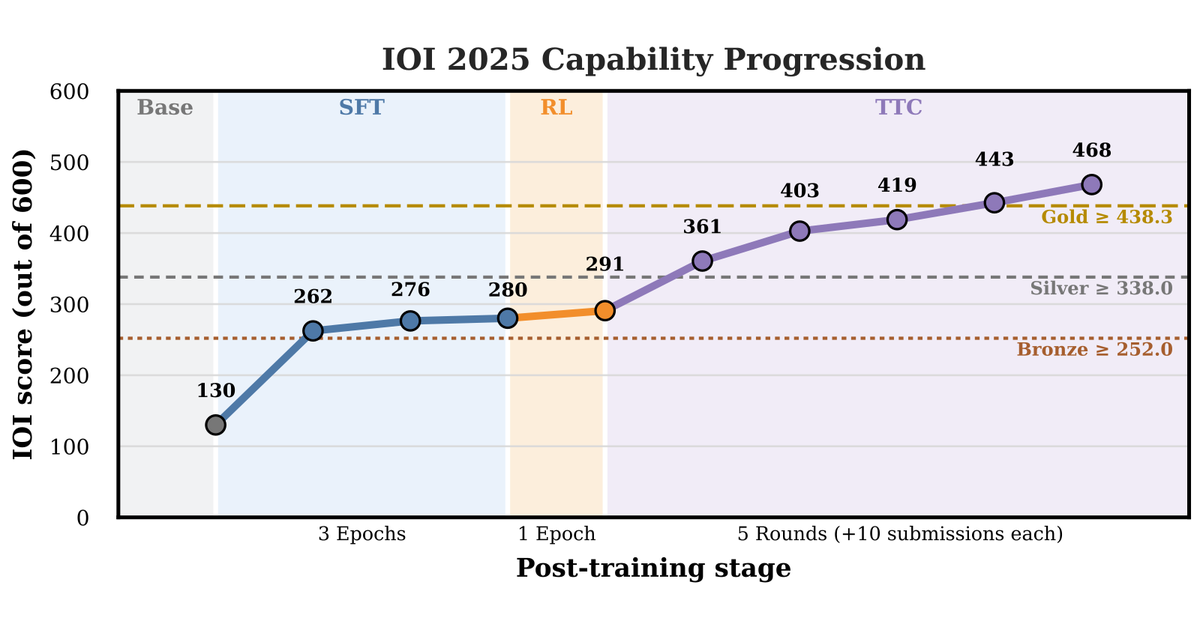
Nvidia 550B Beat the Top Human at IOI 2026, and Retrying Did More Than Training
Nvidia Nemotron-3-Ultra-CC scored 535.4 at IOI 2026, above the 498.27 of the best human contestant. The paper breaks the score down, and most of it came from a test-time loop that resamples 200 candidates rather than from post-training.
Three Coding Agents Agreed on a Tool Only 42% of the Time
Armature ran Claude Code, Codex, and Cursor through 16,893 sessions where each agent had to pick a third-party service and write the integration. The three agreed 42% of the time, and switching the repo language changed the winning email provider.
This Week in AI: GPT-6 Astra opens to the API, Nvidia buys Hugging Face
OpenAI opened GPT-6 Astra to the API and upper ChatGPT tiers on September 3, and the day before Nvidia signed a $12.93B deal to acquire Hugging Face. Meta launched a tier at $0.10 per million tokens if you let it train on your prompts.
One PR Cost This Coding Agent $41, and Only 106K Tokens Were New Code
Sonar instrumented its own coding-agent session traces. An 800-line PR took 512 model round trips, 152.8M cache-read tokens, and roughly $41, while newly read code accounted for only 106K tokens.
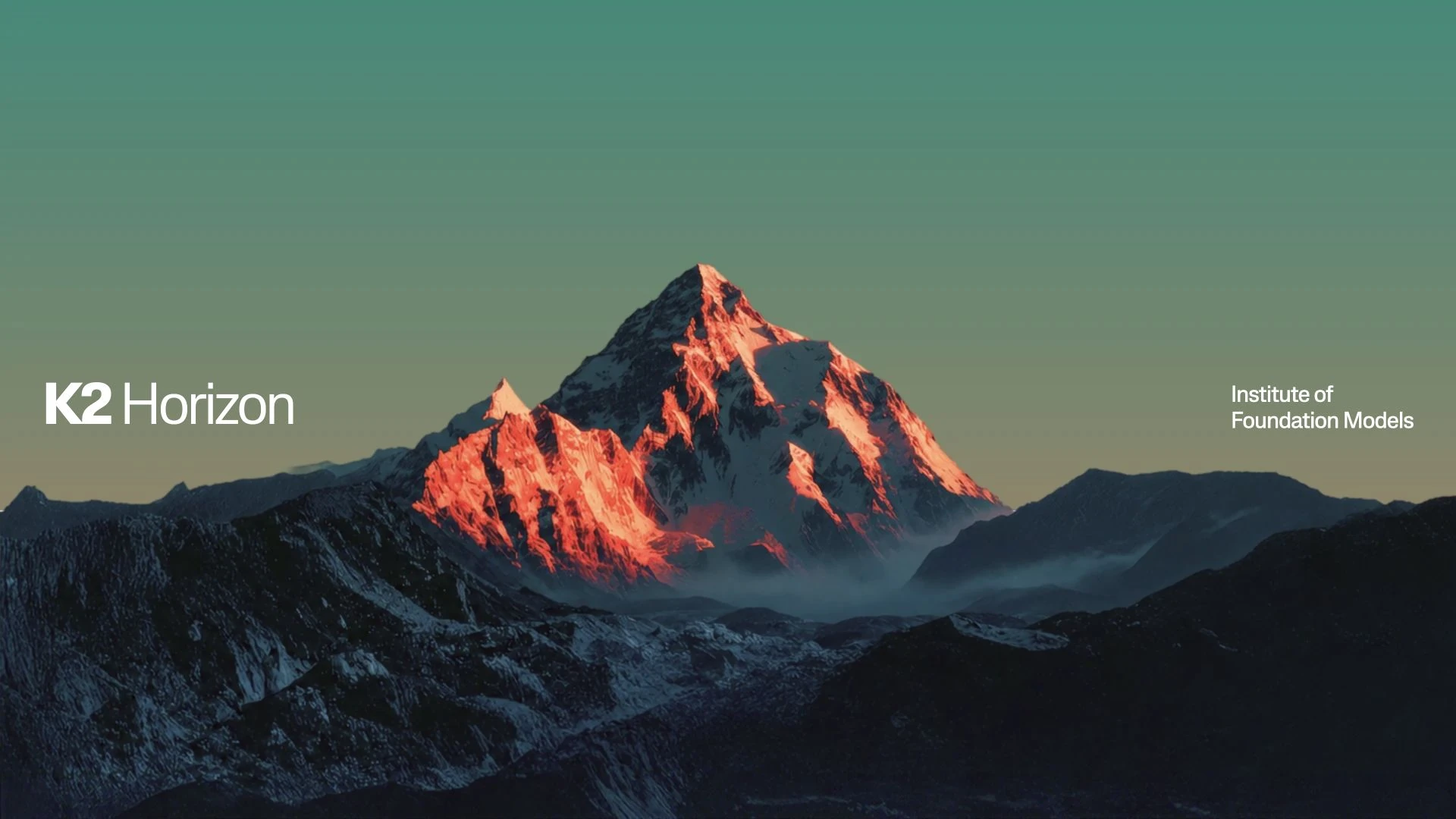
K2 Horizon's 7B Hits 70.6 on SWE-bench, Its Training Repo Is One README Line
MBZUAI-backed IFM released six K2 Horizon models under Apache 2.0 on September 3. The 7B beats Qwen3.5-9B on SWE-bench Verified at 70.6%, but the training-code repos and dataset links are still closed.
GPT-6 Astra Costs 2.5x More Per Token, and Less Per Coding Task
OpenAI shipped GPT-6 Astra on September 3 at $10 and $50 per million tokens, 2.5x GPT-5.6 Sol. On coding work it burns a third of the tokens Sol needed, and the independent Intelligence Index puts both at 61.