AI
100 Models Are Heading to the Pixel TPU, but On-Device AI Still Has a Narrow Gate
Google Tensor SDK Beta opens a LiteRT path to the Pixel 10 TPU, pairing 100+ models with the harder problem of shipping on-device AI.
AI
Google Tensor SDK Beta opens a LiteRT path to the Pixel 10 TPU, pairing 100+ models with the harder problem of shipping on-device AI.
AI
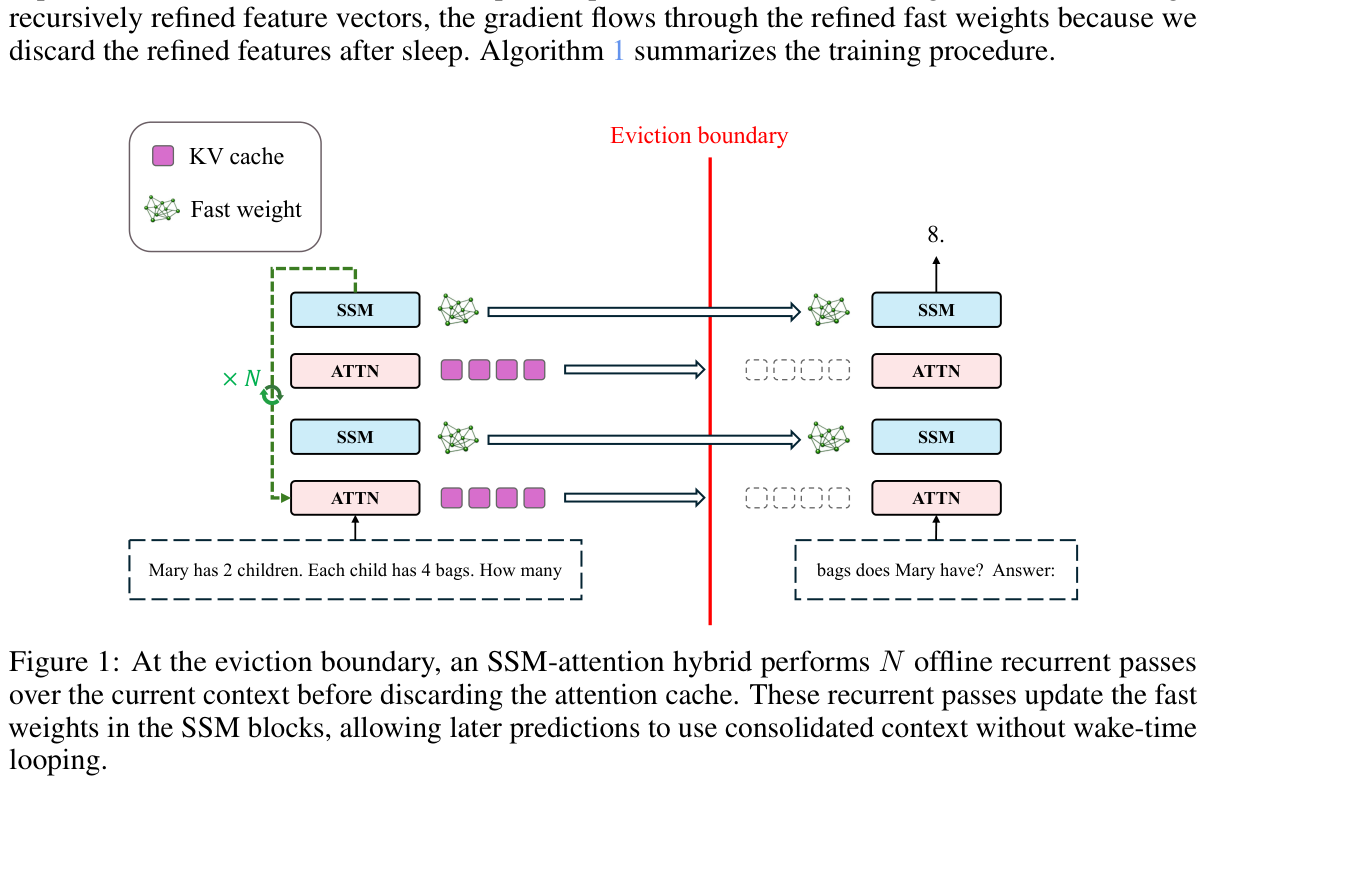
Language Models Need Sleep proposes sleep-like fast weight consolidation, shifting long-agent memory from prompt compaction toward model execution schedules.
AI
Google DeepMind Co-Scientist reached Nature with a multi-agent design that shifts scientific AI from idea generation toward verification loops.

AI
Anthropic Project Glasswing suggests AI security models may shift the bottleneck from vulnerability discovery to verification, disclosure, and patch throughput.
AI
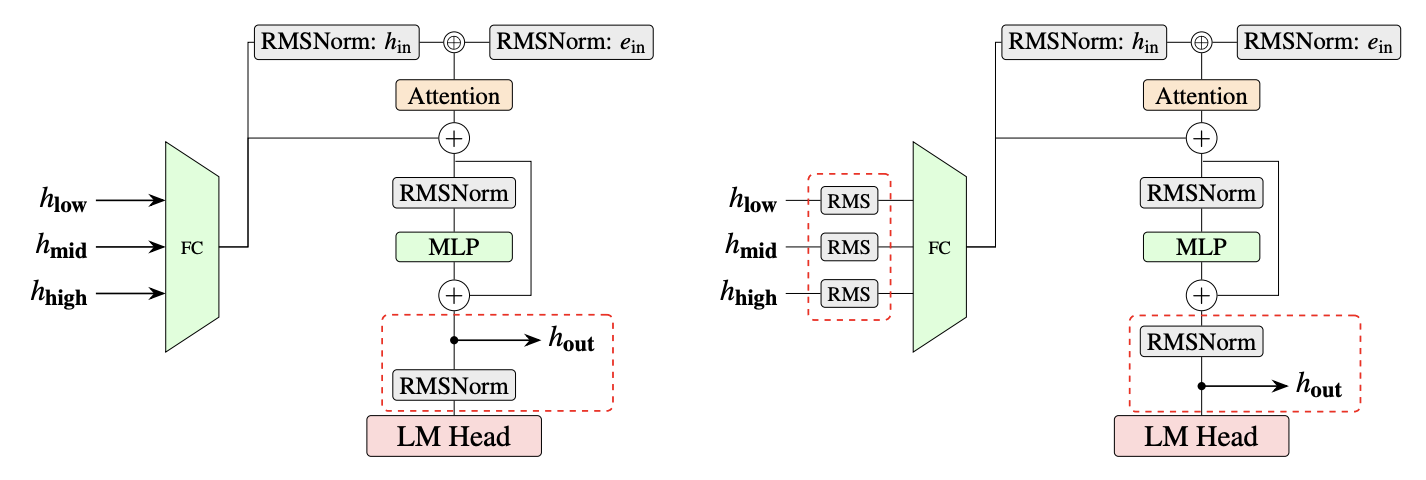
vLLM EAGLE 3.1 targets attention drift in speculative decoding, with early gains for long-context and coding-agent serving workloads.
AI
OpenAI’s unit-distance counterexample shows that AI research automation depends less on answer generation than on proofs experts can inspect.
AI
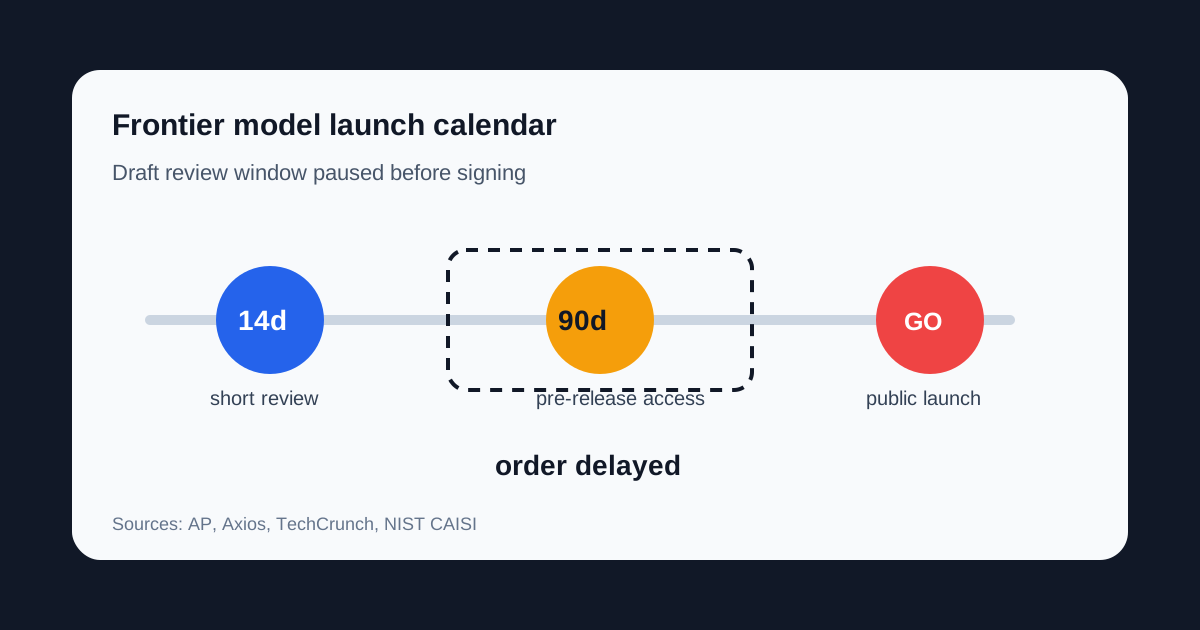
Trump’s delayed AI executive order shows frontier model launches being reshaped around speed, security evaluation, and critical infrastructure readiness.

AI
Datasette Agent connects SQLite exploration with LLMs, plugin tools, permissions, and sandbox execution in a narrow but practical agent experiment.
AI
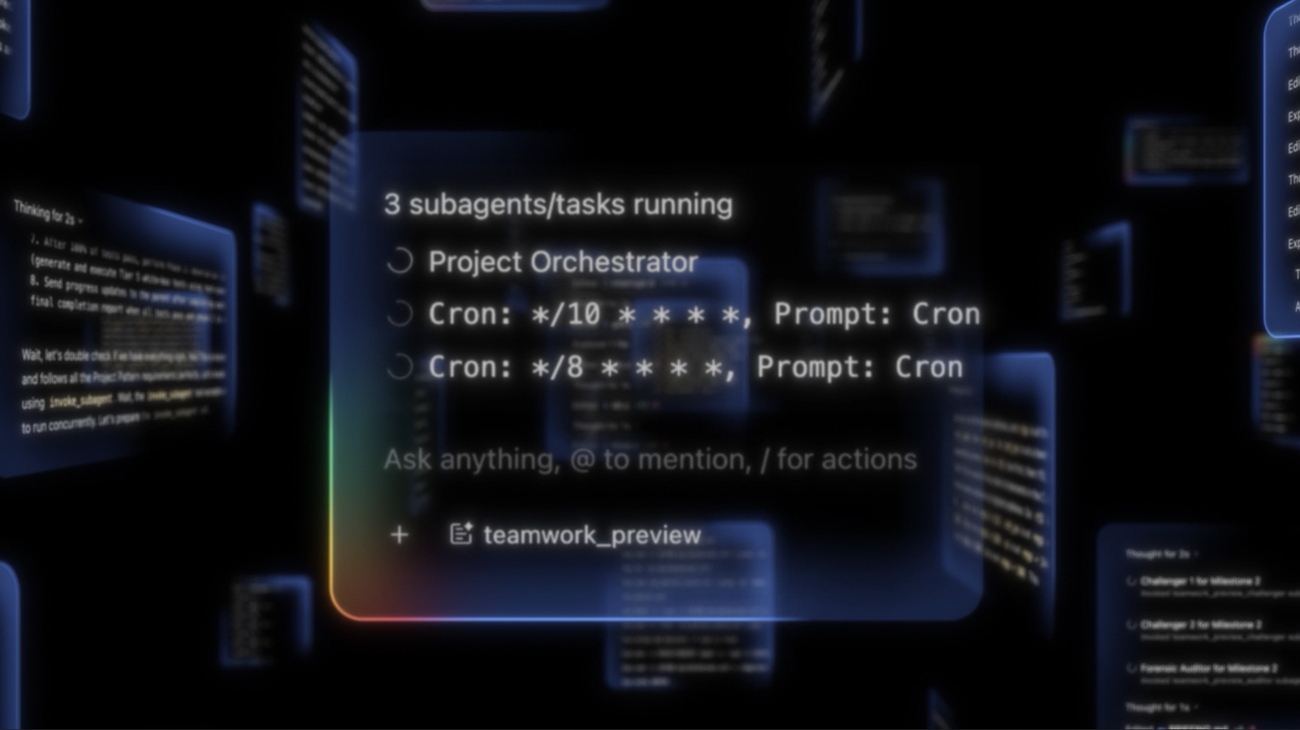
Gemini API Managed Agents hides sandboxing, state, and tool loops behind an API, moving agent competition into runtime infrastructure.
AI
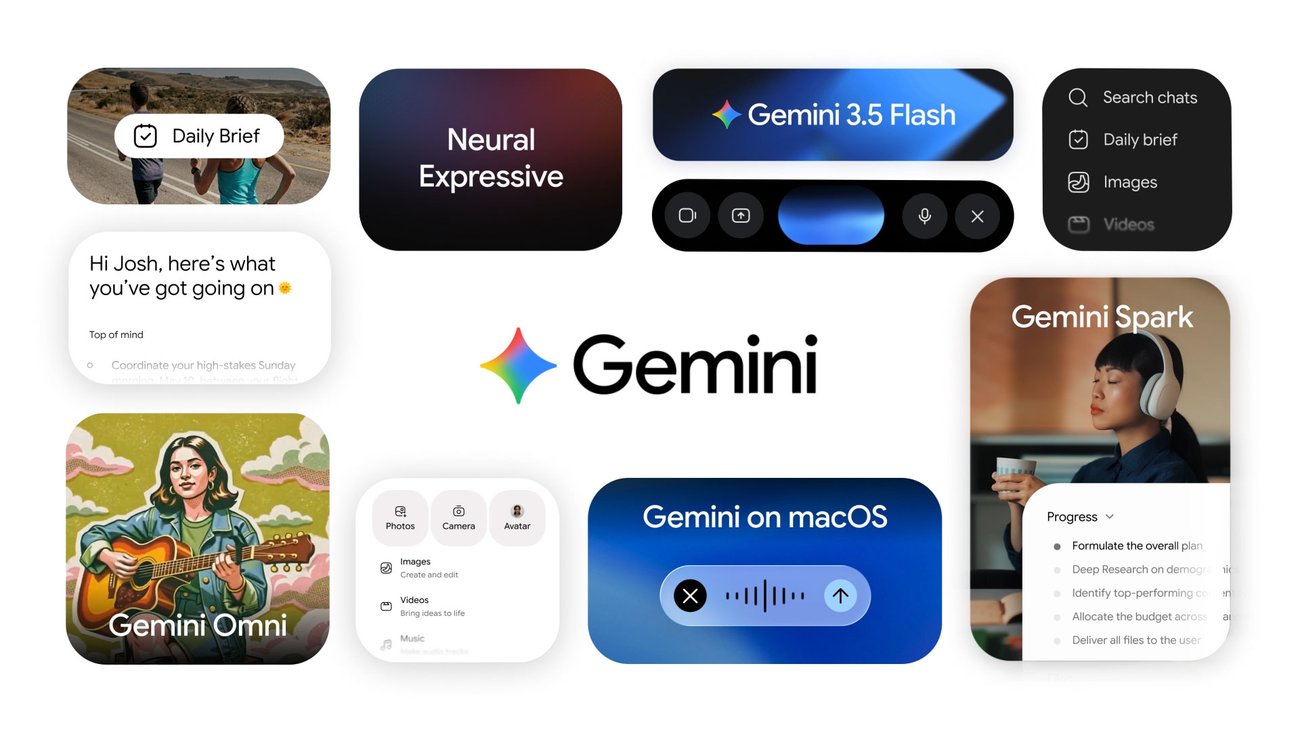
Google Gemini Spark brings background agents, MCP connections, and approval boundaries into a mass-market consumer AI surface.
AI
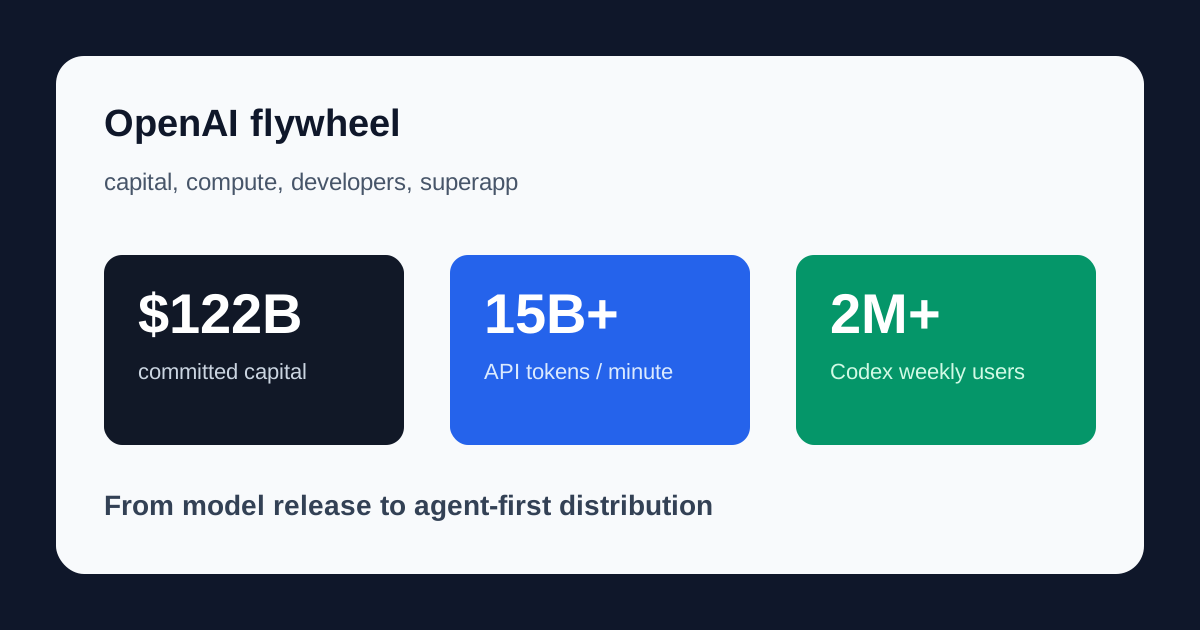
OpenAI’s $122B raise is not just financing. It ties ChatGPT, Codex, API usage, enterprise adoption, and compute into one agent-first flywheel.
AI
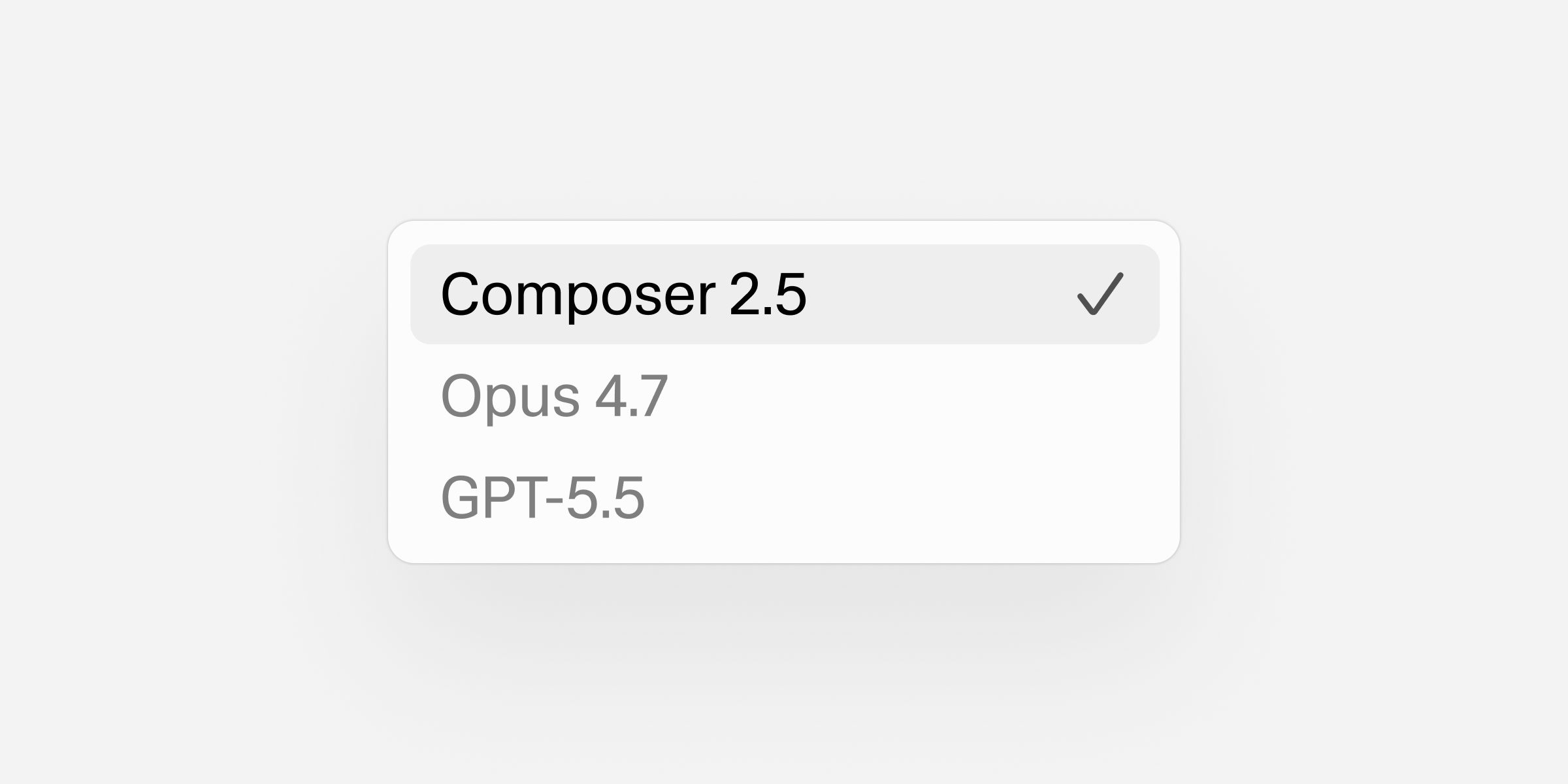
Cursor Composer 2.5 shows that post-training and reward-hacking control now matter as much as the base model in coding-agent competition.