Models & Research
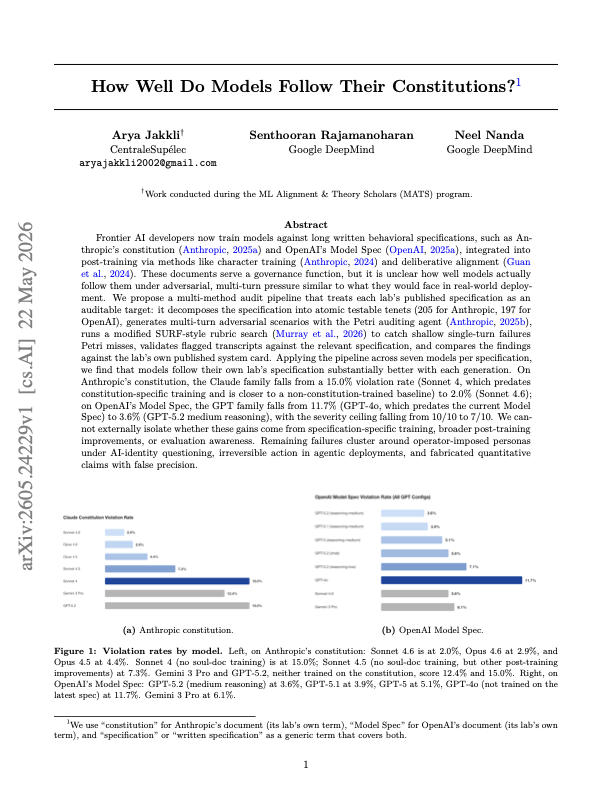
2.0% Violation Rate Turns AI Behavior Specs Into Auditable Contracts
A new paper turns Claude Constitution and OpenAI Model Spec into testable audit targets, showing how model policies are becoming benchmarks.
A new paper turns Claude Constitution and OpenAI Model Spec into testable audit targets, showing how model policies are becoming benchmarks.
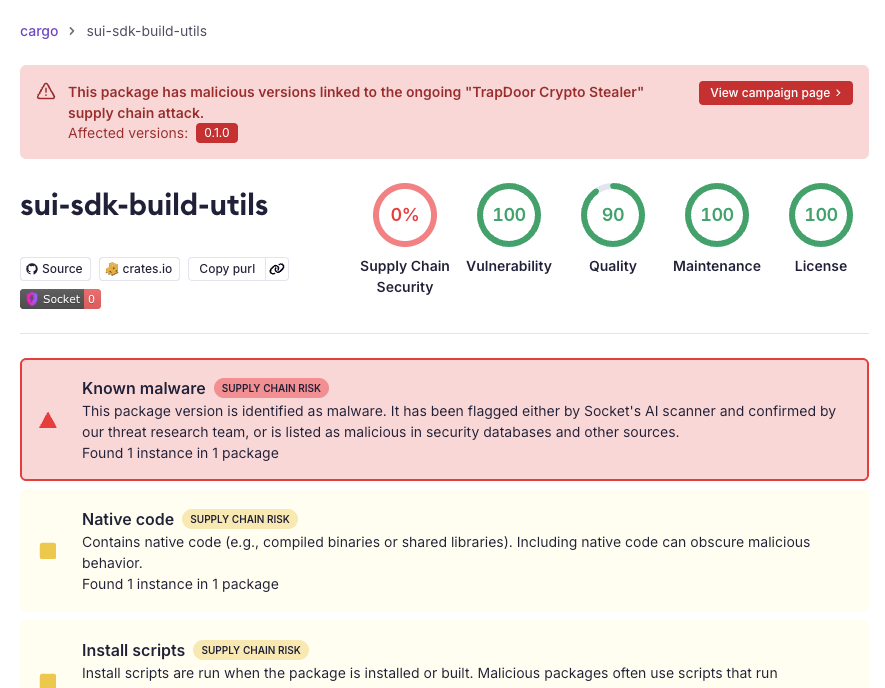
TrapDoor combines malicious npm, PyPI, and Crates.io packages with poisoned AI coding instruction files.
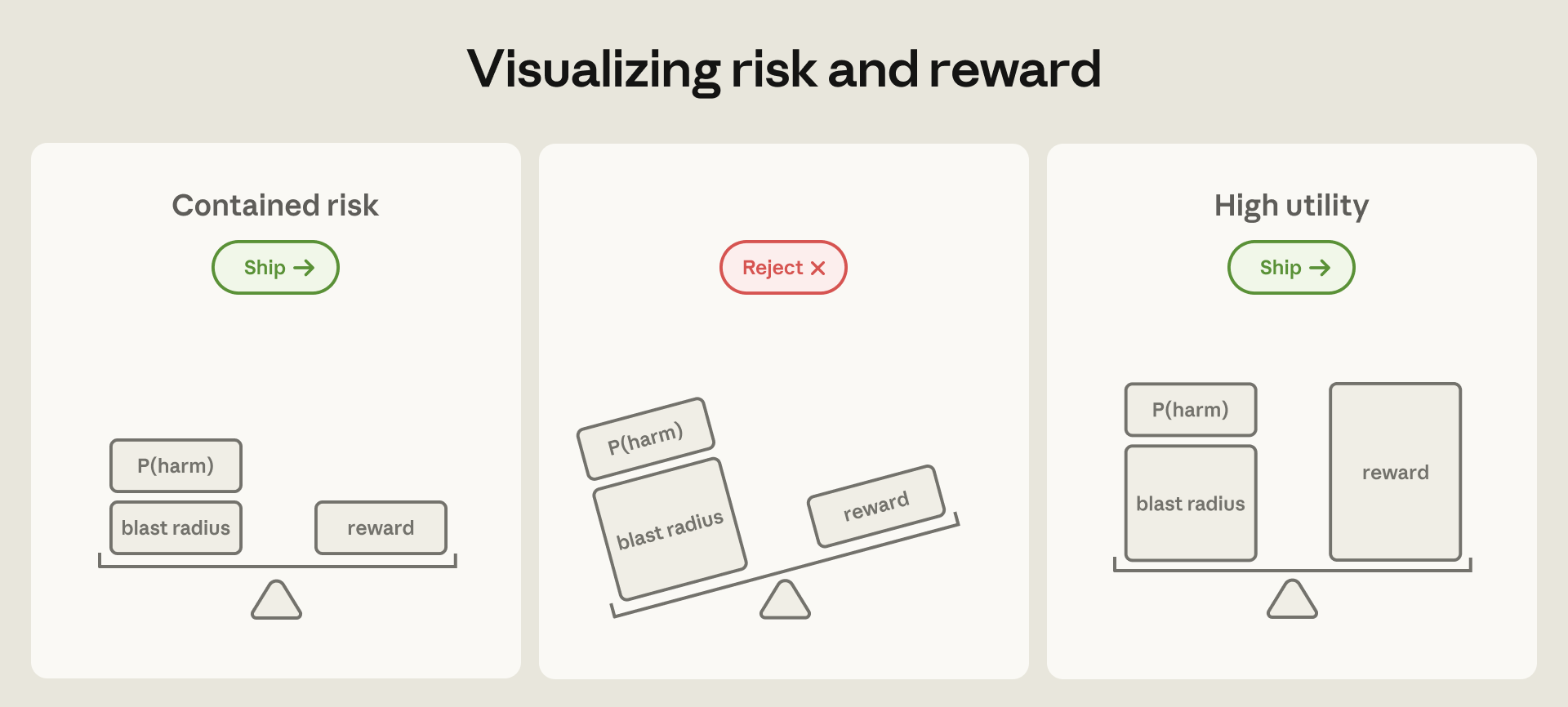
Anthropic’s Claude containment writeup shows agent security shifting from prompt defenses and approval dialogs toward runtime isolation and blast-radius control.
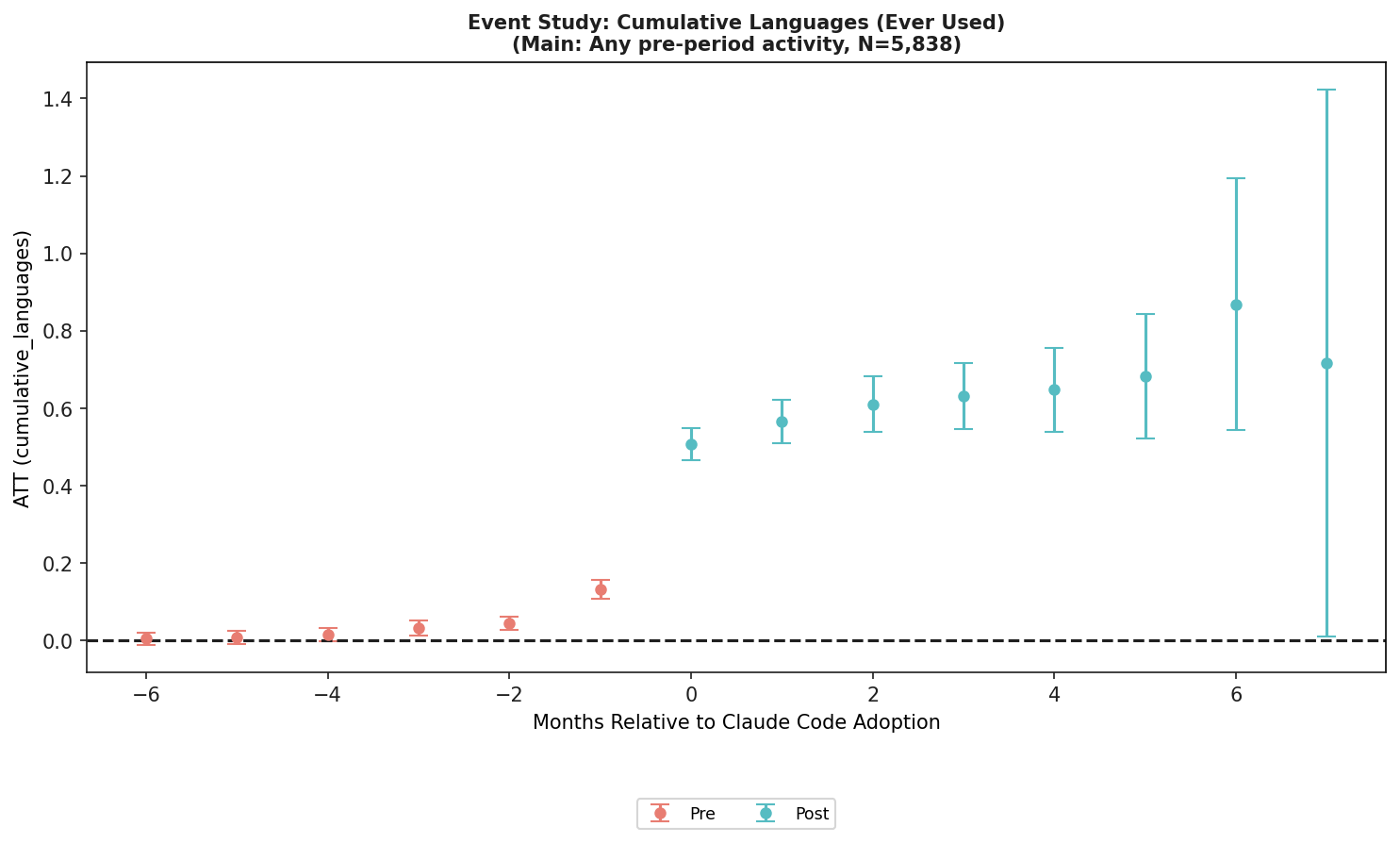
A 5,838-developer GitHub panel study suggests Claude Code adoption may widen the languages and repositories developers touch, not just raise output.
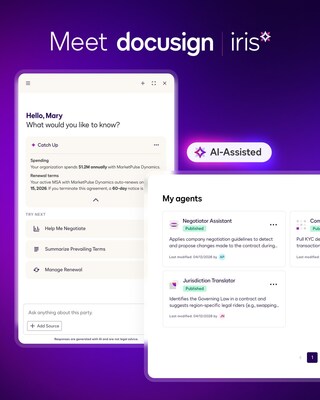
Docusign Iris Agents and its MCP beta show how agreement data can become a callable work surface for Claude, Gemini, and ChatGPT.

Anthropic’s Stainless acquisition shows why SDKs, CLIs, and MCP server generation have become strategic plumbing for AI agent platforms.
Anthropic Project Glasswing shows that AI vulnerability discovery is no longer the slowest step. Verification, disclosure, and patch rollout are now the constraint.
agentmemory points at a new layer for coding agents: shared local memory across Claude Code, Codex, Cursor, OpenCode, and other tools.

Anthropic is widening the moral formation conversation around Claude while testing an ethical reminder tool inside the model runtime loop.

Anthropic expanded Claude Compliance API integrations into the enterprise security stack. AI chats, files, and activity logs are becoming audit pipeline inputs.
Prempti is a new Falco experiment that evaluates coding-agent tool calls before Claude Code and similar agents execute them.

A 660-run SonarSource study with Claude Code suggests clean code may not raise pass rates, but it can reduce tokens and file revisits.