Google Saw the First AI Zero-Day, and Security Timelines Are Changing
Google GTIG disclosed the first zero-day exploit attempt it assesses was developed with AI, shifting how defenders should think about discovery and weaponization speed.
Vulnerabilities, prompt injection, model safeguards, and containment design.
Google GTIG disclosed the first zero-day exploit attempt it assesses was developed with AI, shifting how defenders should think about discovery and weaponization speed.
Microsoft found exposed AI apps, 15% unauthenticated MCP servers, and Mage AI and kagent cases where defaults became real attack paths.
Airia Form Review Step adds human review and audit trails before AI-extracted document data becomes a system-of-record entry.
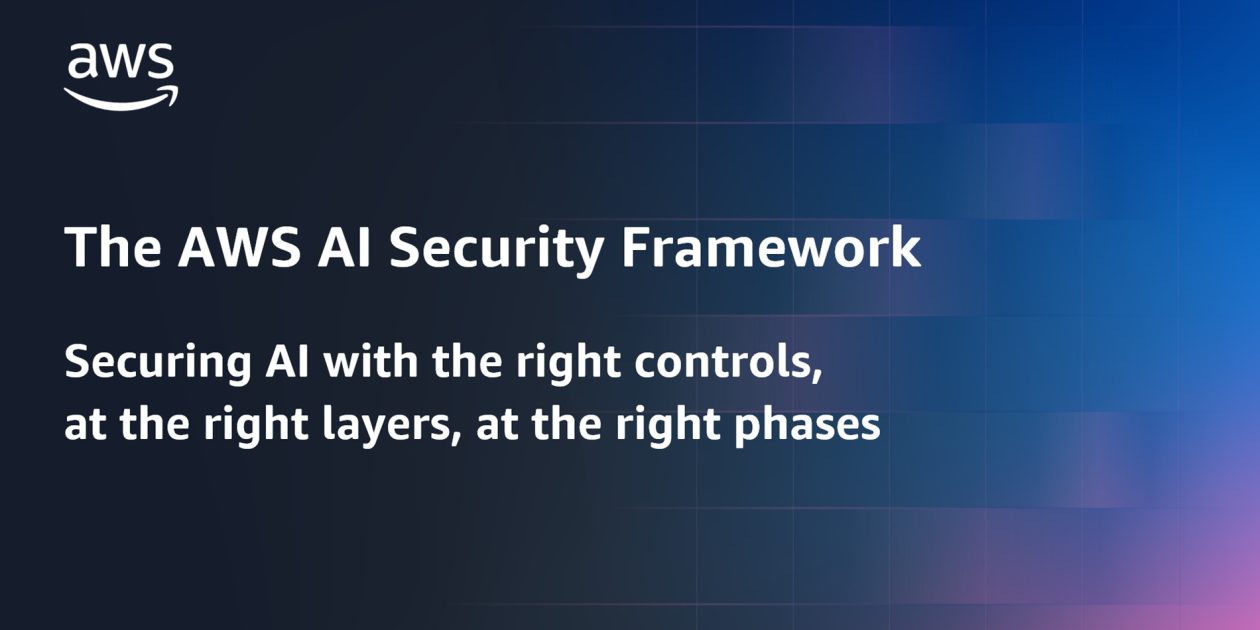
The AWS AI Security Framework separates answering, connected, and acting AI, making agent identity, tool authorization, and observability the new security baseline.
OpenAI’s Codex Windows sandbox design shows that local coding agent security is now an OS boundary problem, not only a model safety problem.
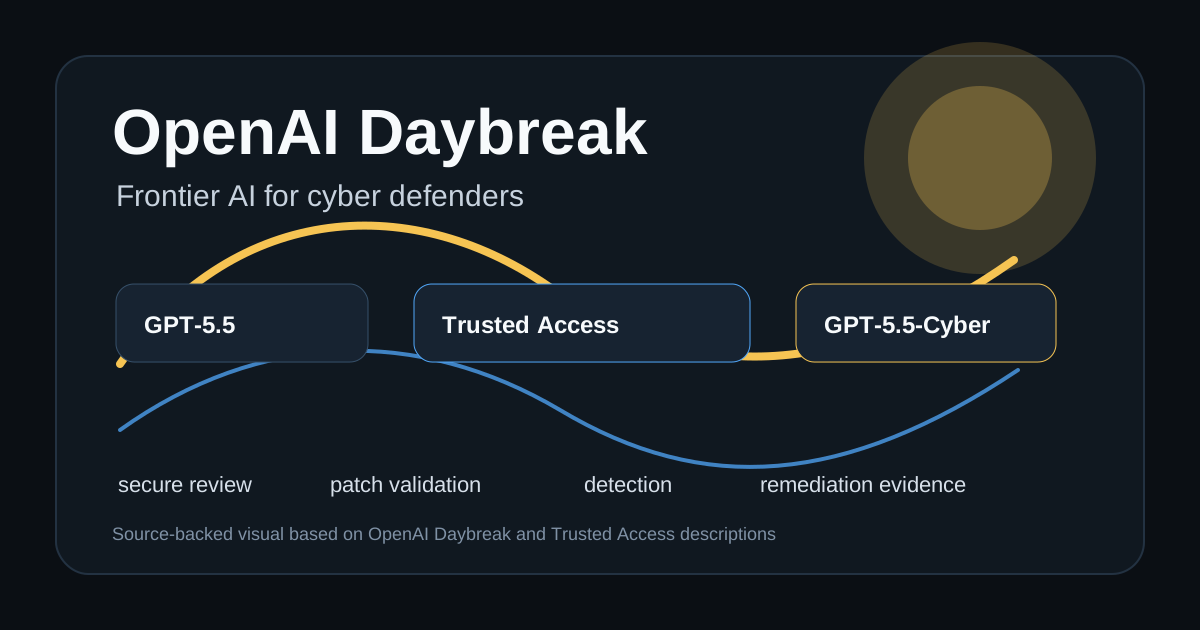
OpenAI Daybreak connects GPT-5.5-Cyber and Codex Security to vulnerability discovery, patch validation, detection, and audit evidence.
Endor Labs expanded AURI with Agent Governance and Package Firewall, shifting AI coding security from code review to runtime control.
OpenAI published GPT-5.5-Cyber and Codex safety practices back to back. The coding-agent race is shifting from model quality to permissions, sandboxing, and audit logs.
Four CrewAI CVEs chain prompt injection into sandbox escape, RCE, SSRF, and arbitrary file reads, showing why AI agent frameworks need fail-closed security.