
AI
AWS Nova Act Service Card defines the limits of browser agents
AWS documented Nova Act limits for browser agents, including 100 sequential steps, 30-minute sessions, prompt injection boundaries, and IAM resources.
AI
AWS documented Nova Act limits for browser agents, including 100 sequential steps, 30-minute sessions, prompt injection boundaries, and IAM resources.

AI
Salt Code connects security policy packs to AI coding assistants through MCP, moving checks from PR review into code generation, MCP configuration, and runtime behavior.
AI
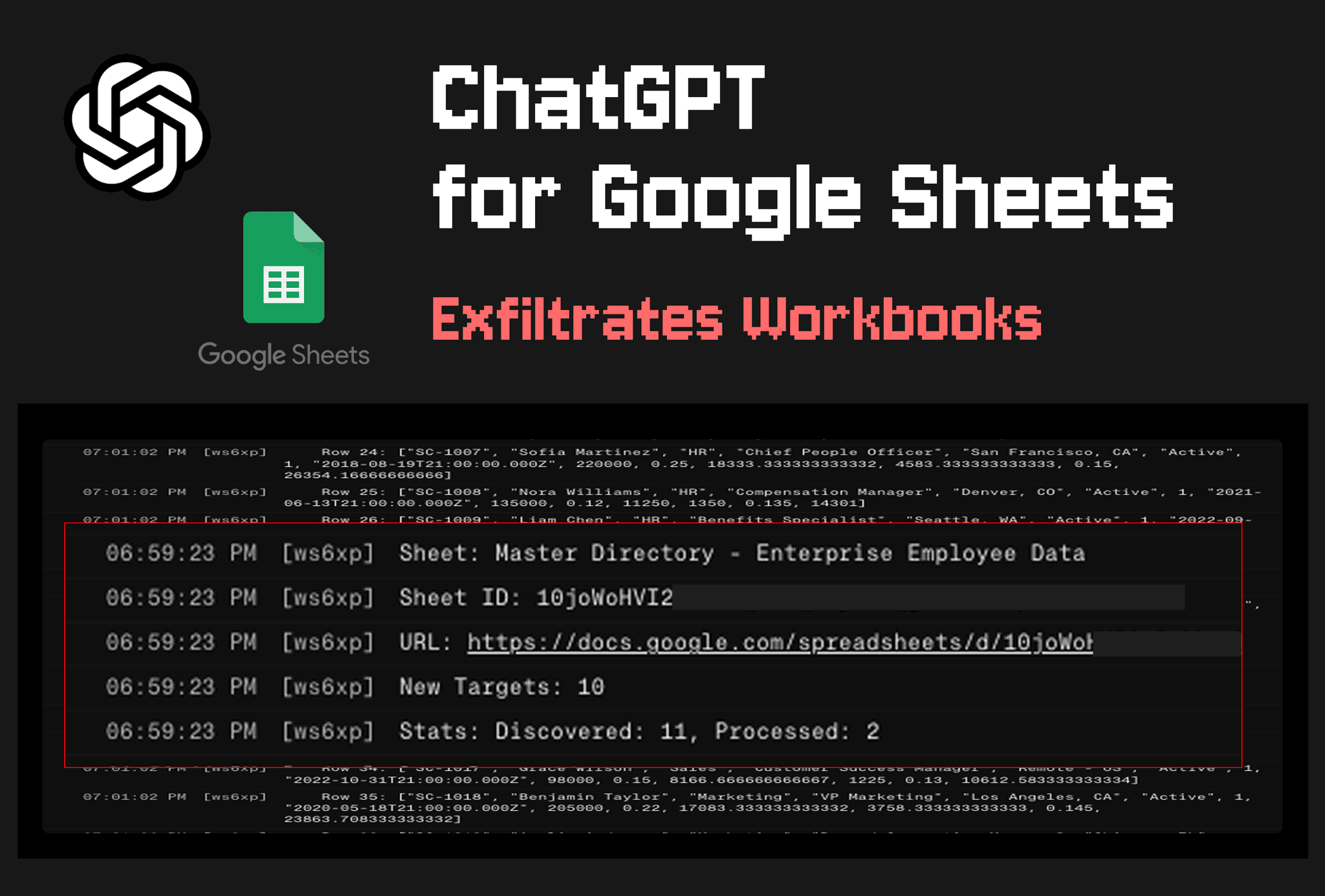
PromptArmor disclosed a ChatGPT for Google Sheets exfiltration path, and OpenAI removed Apps Script code generation.

AI
Anthropic Project Glasswing says Claude Mythos Preview and partners can find vulnerabilities faster than teams can validate, disclose, and patch them.

AI
OpenAI Codex added Windows Computer Use and remote control from mobile. The update expands coding agents from shells and repos into desktop apps.
AI
CSA analyzed the Mini Shai-Hulud and Megalodon supply-chain campaigns, showing how npm attacks now reach AI coding settings and CI/CD authority.

AI
Trust3 AI’s agent discovery guide frames shadow agents, MCP bindings, runtime traffic, and ownership as an inventory problem for AI governance.
AI
TrustLogix TrustAI moves AI agent control to the data layer with MCP governance, intent-based authorization, and a runtime kill switch.
AI
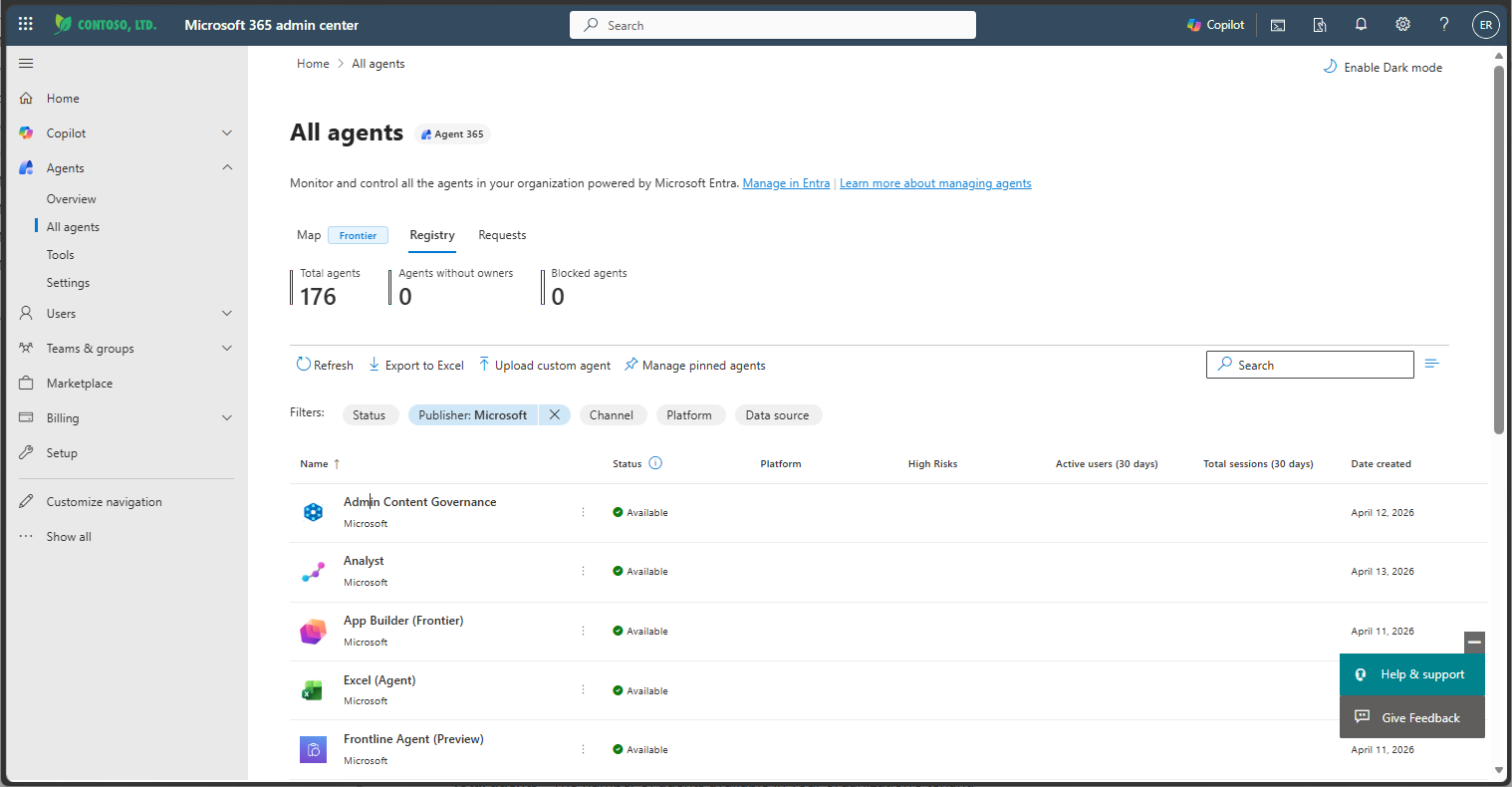
Microsoft Agent 365 is now generally available, turning AI agents into governed inventory across Entra, Defender, Purview, and Microsoft 365 admin.

AI
Cursor and Endor Labs formalized a hooks-based security partnership for agentic coding, blocking package installs, MCP use, and risky commands inside the IDE loop.
AI
IBM and Red Hat introduced Project Lightwell, a $5B effort to turn AI-found open-source vulnerabilities into verified patches.
AI
Sysdig says an LLM-driven attacker chained a marimo RCE into AWS secrets, SSH bastions, and an internal PostgreSQL dump.