Industry & Policy
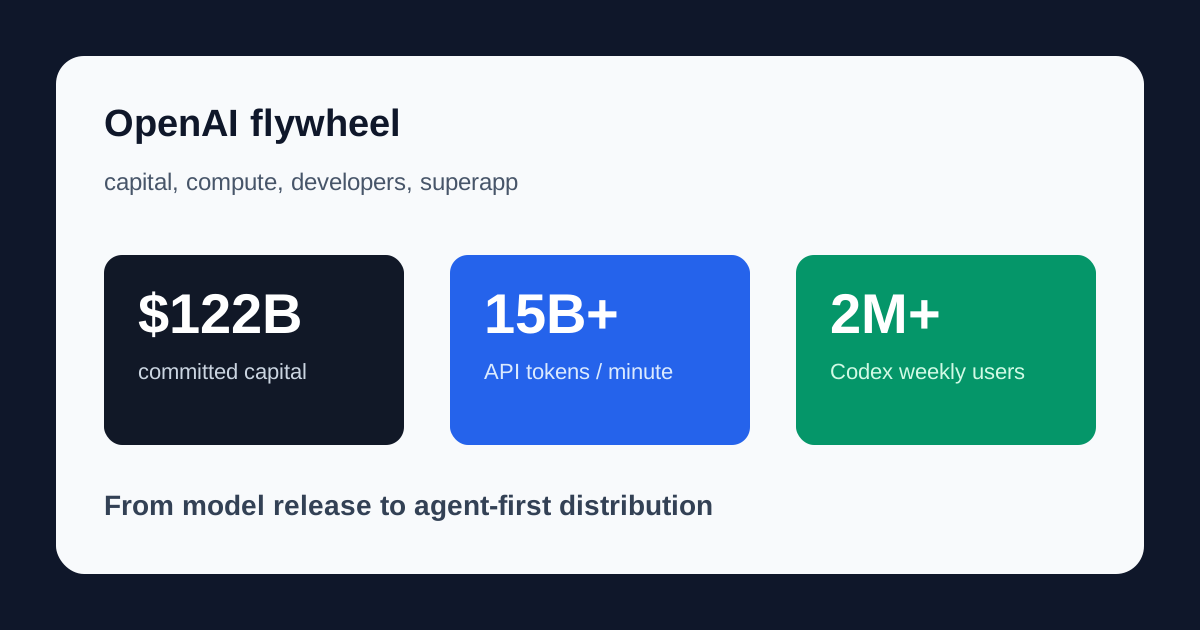
15B tokens per minute, the real cost of OpenAI’s superapp strategy
OpenAI’s $122B raise is not just financing. It ties ChatGPT, Codex, API usage, enterprise adoption, and compute into one agent-first flywheel.
Funding and acquisitions, regulation and lawsuits, markets and hiring.
OpenAI’s $122B raise is not just financing. It ties ChatGPT, Codex, API usage, enterprise adoption, and compute into one agent-first flywheel.

Anthropic’s Stainless acquisition shows why SDKs, CLIs, and MCP server generation have become strategic plumbing for AI agent platforms.
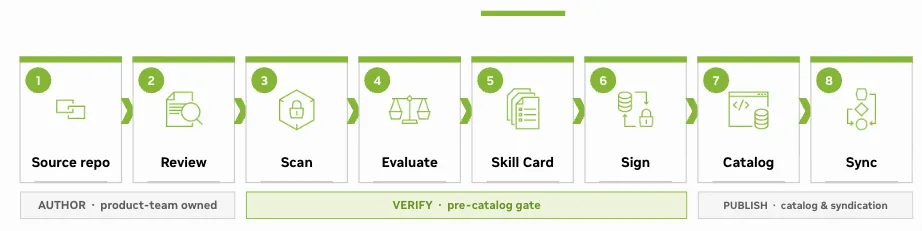
NVIDIA Verified Agent Skills treats agent skills as scanned, carded, and signed artifacts, pointing to a new supply-chain checkpoint for AI agents.
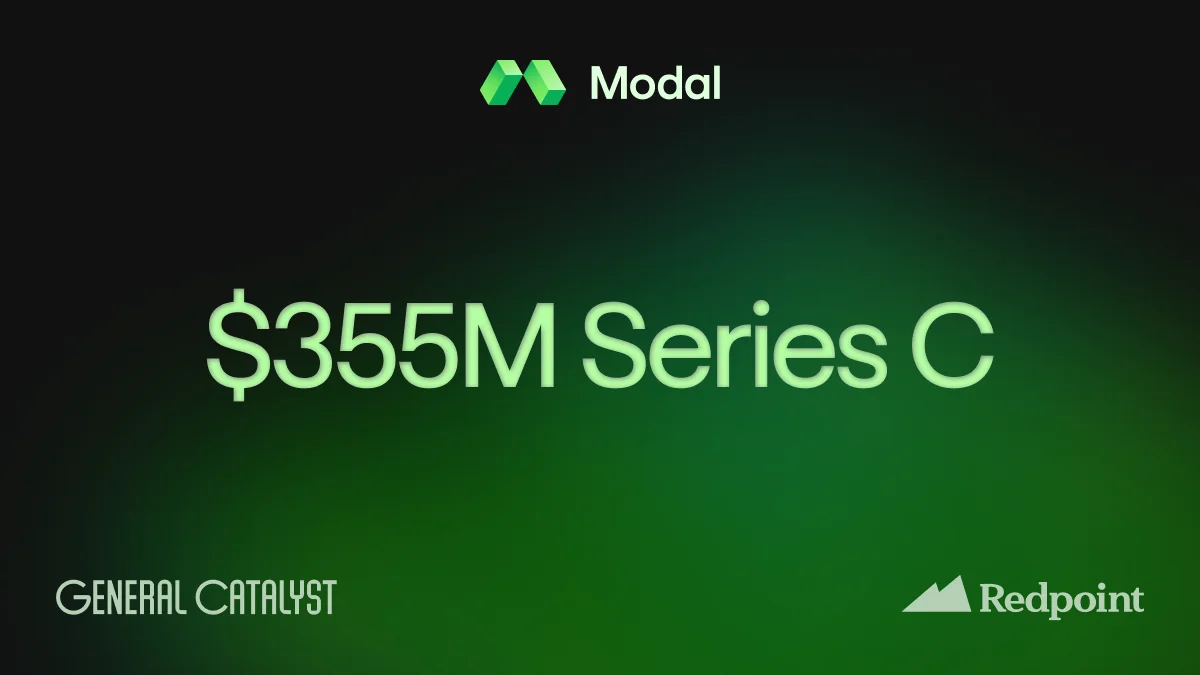
Modal’s Series C shows AI infrastructure moving beyond model APIs into sandboxes, GPU snapshots, RL loops, and agent runtime control.
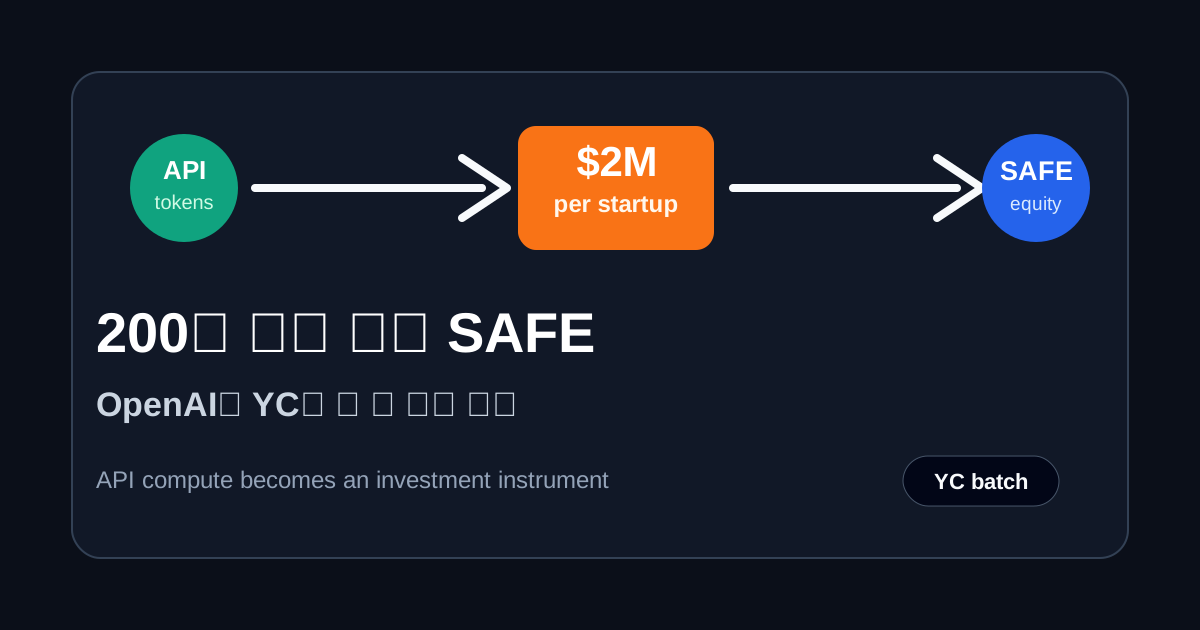
OpenAI reportedly offered YC startups $2 million in API tokens through an uncapped SAFE, turning inference compute into a new investment instrument.

Google and Blackstone's TPU cloud joint venture signals that AI compute is being split from cloud features into capital-backed capacity products.
GitHub Copilot individual plan limits show that coding agents have outgrown flat-rate autocomplete pricing.
Cohere’s Reliant AI acquisition shows enterprise AI shifting from general chatbots toward regulated industry agents, evidence tracking, and data sovereignty.
Google is moving the personal and free Gemini CLI path to Antigravity CLI. The June 18 cutoff marks a shift in the operating layer for coding agents.

Atlassian data contribution settings show how Jira, Confluence, Rovo, and Teamwork Graph data defaults now shape AI improvement loops.
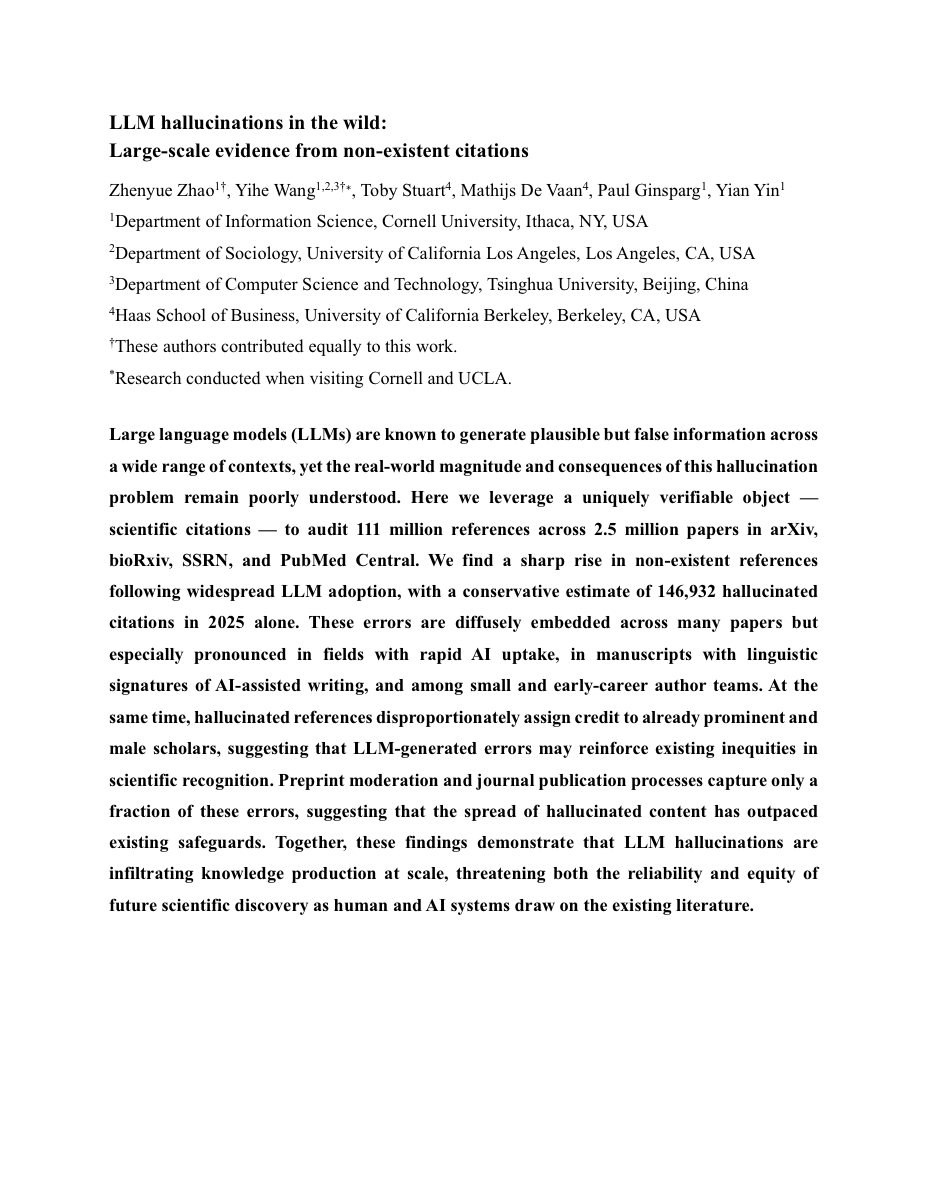
arXiv scrutiny of AI-generated manuscripts is not a blanket LLM ban. It is a warning about hallucinated citations entering research infrastructure.
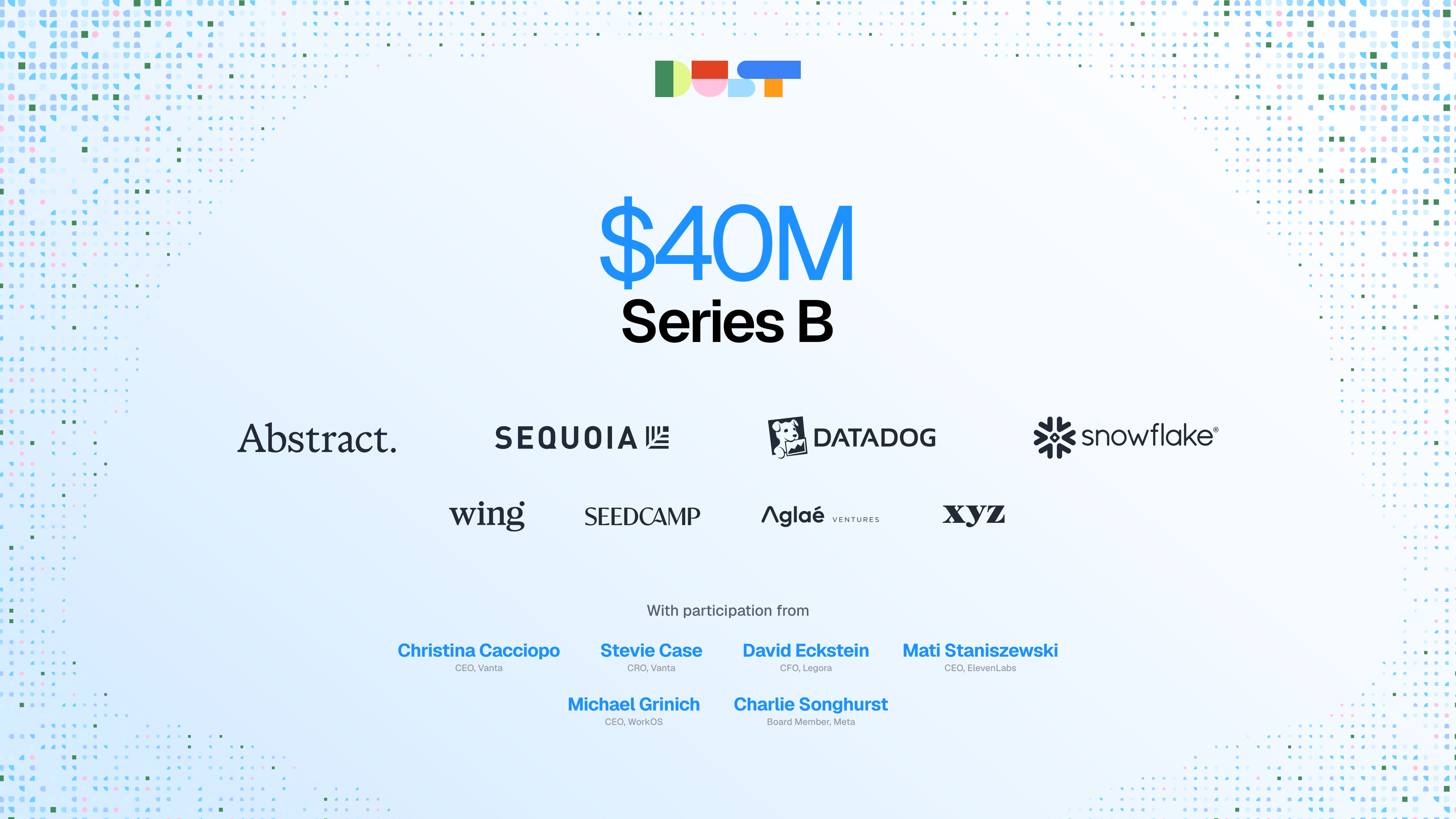
Dust’s Series B is a signal that enterprise AI is moving from personal chatbots toward shared workspaces where people and agents operate together.