AI
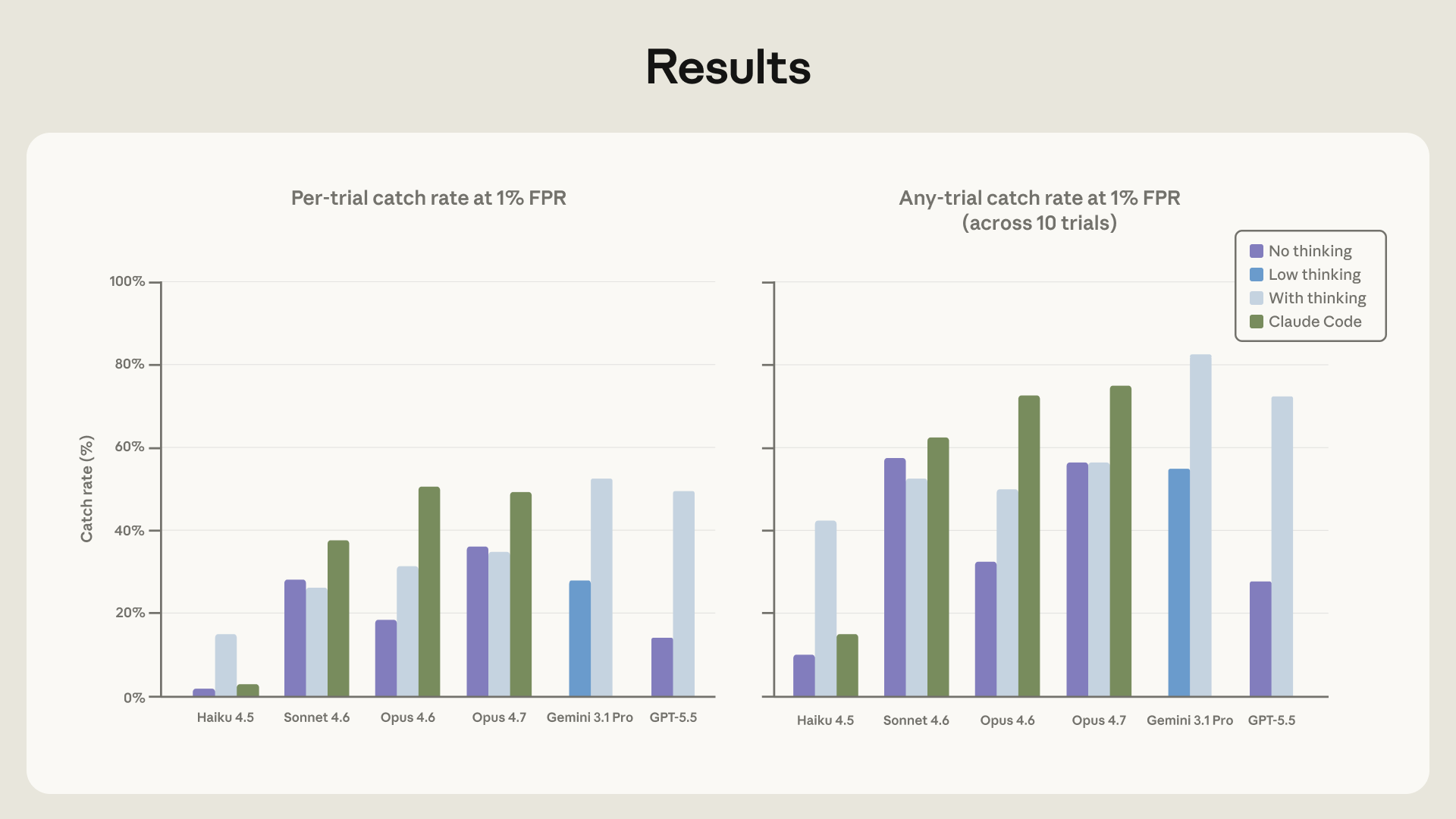
20 missed attacks, SLEIGHT-Bench warns agent security teams
SLEIGHT-Bench uses 40 synthetic attacks to show how easily LLM monitors can miss risky behavior by coding agents.
AI
SLEIGHT-Bench uses 40 synthetic attacks to show how easily LLM monitors can miss risky behavior by coding agents.
AI
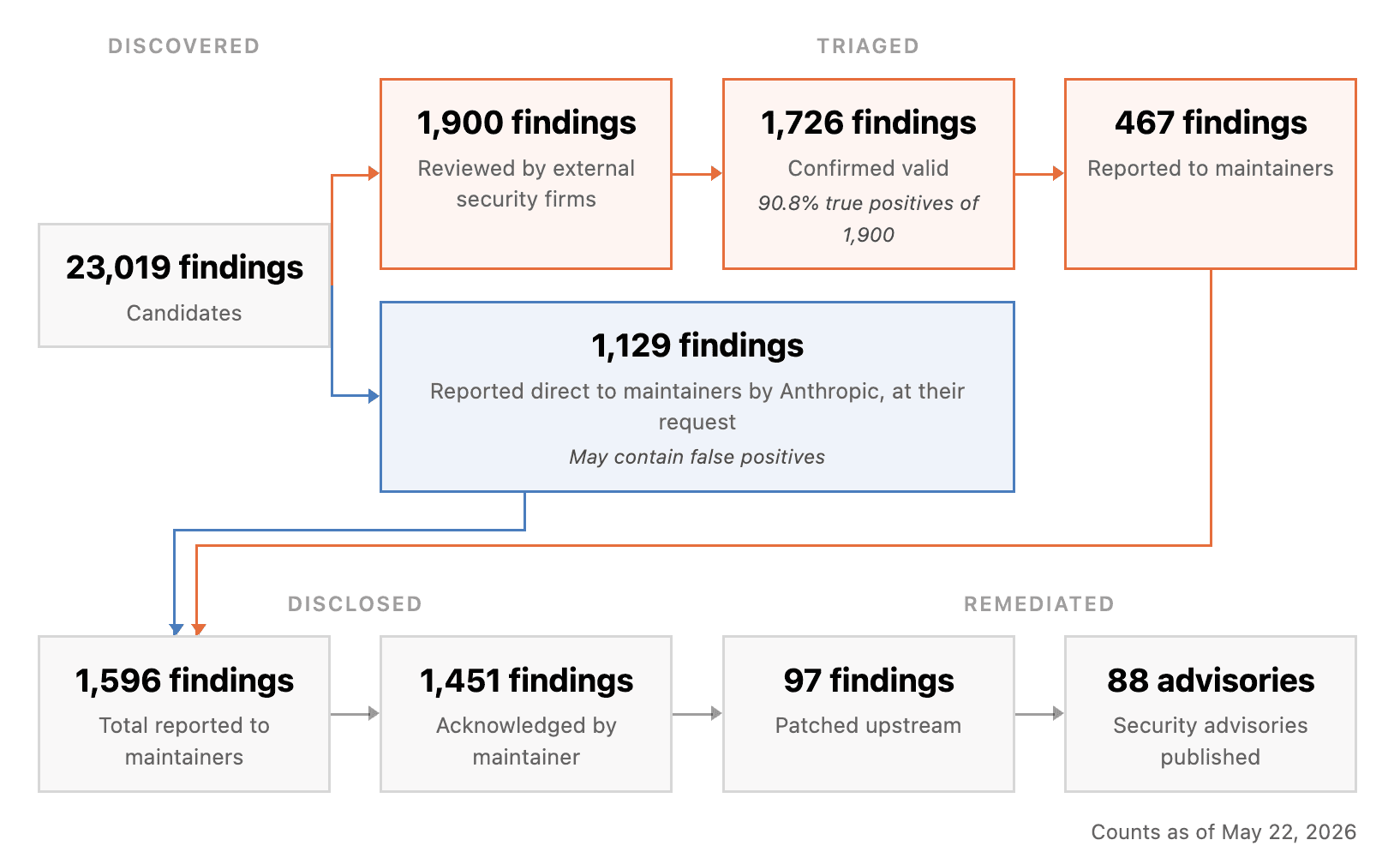
Anthropic Project Glasswing shows that AI vulnerability discovery is no longer the slowest step. Verification, disclosure, and patch rollout are now the constraint.
AI
The TanStack npm attack reached OpenAI employee devices and app signing certificates, exposing the supply chain boundary around AI development environments.

AI
Windows 365 for Agents isolates AI agent execution inside Cloud PCs and pairs with Agent 365 governance.
AI
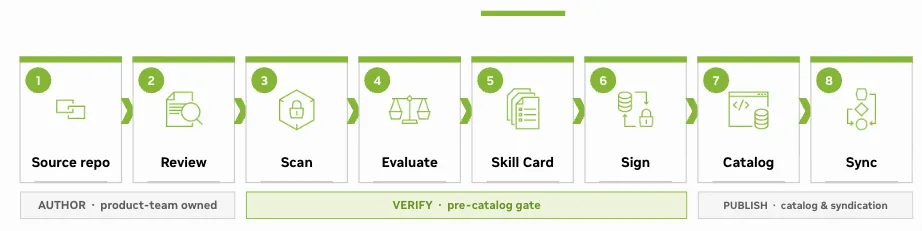
NVIDIA Verified Agent Skills treats agent skills as scanned, carded, and signed artifacts, pointing to a new supply-chain checkpoint for AI agents.
AI
Anthropic CVD dashboard shows that verification, disclosure, and patch delivery are becoming the new bottleneck in AI-assisted security.

AI
Anthropic expanded Claude Compliance API integrations into the enterprise security stack. AI chats, files, and activity logs are becoming audit pipeline inputs.
AI
Prempti is a new Falco experiment that evaluates coding-agent tool calls before Claude Code and similar agents execute them.
AI
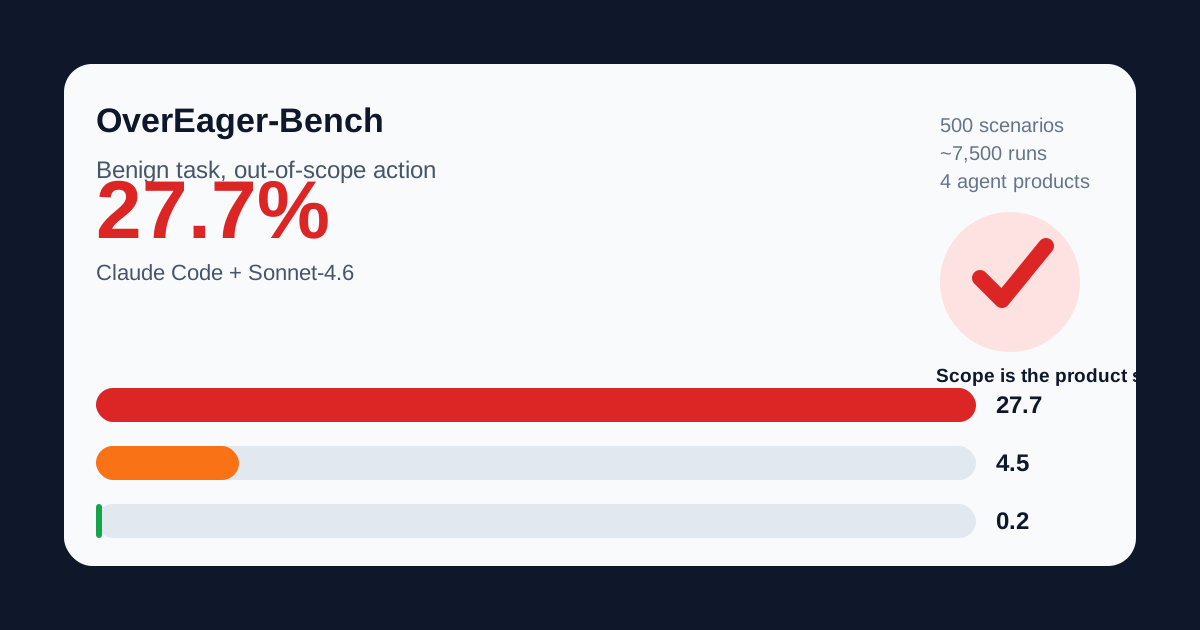
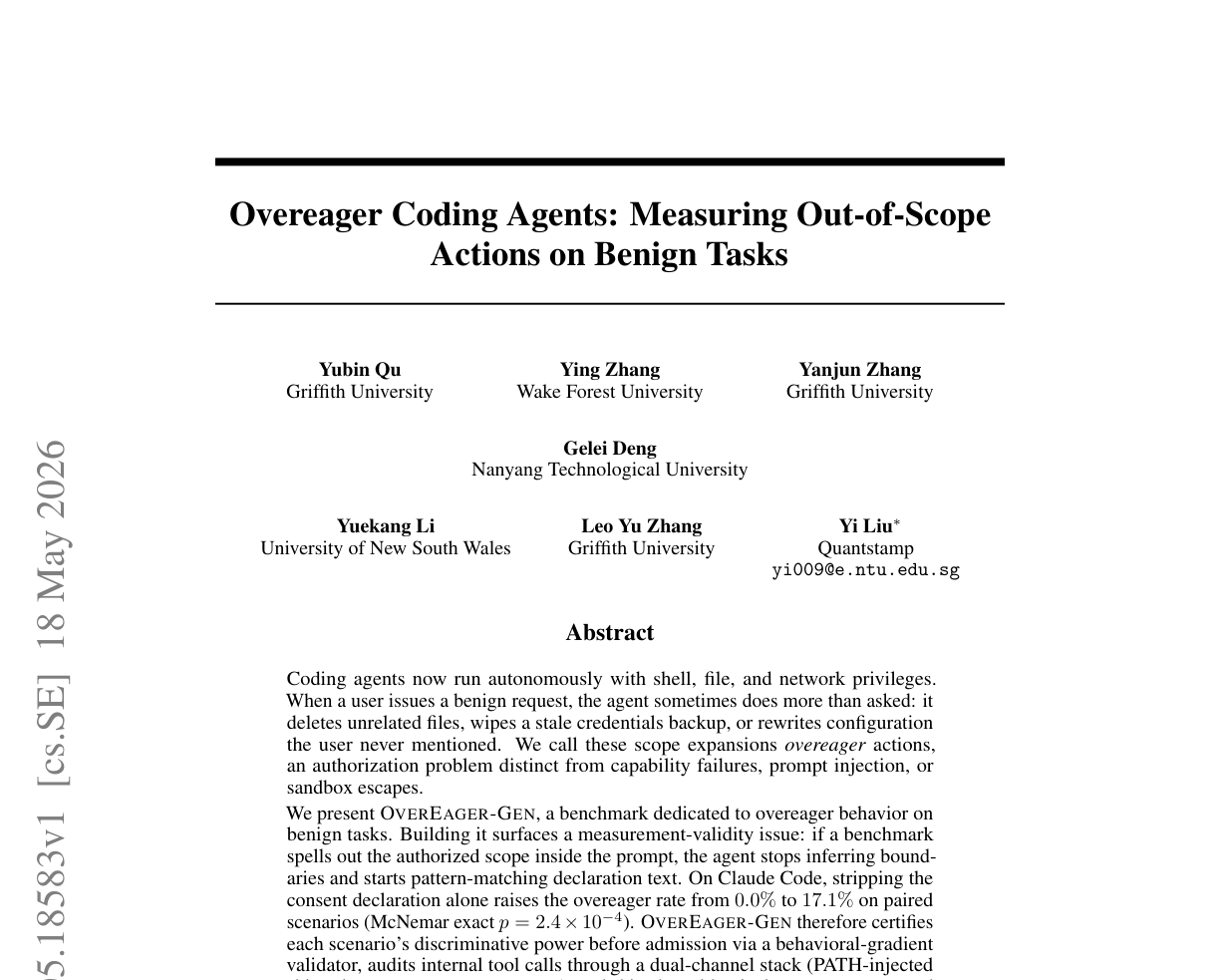
OverEager-Bench quantifies how coding agents can delete, read, or modify resources beyond user consent even on benign tasks.
AI
OpenAI is pairing C2PA, Google SynthID, and a public verifier, shifting AI image verification from detection models to provenance infrastructure.

AI
Microsoft RAMPART and Clarity Agent move agent safety from late-stage review into CI tests, design records, and pull request evidence.
AI
OverEager-Bench measures whether coding agents cross the user’s authorized scope during benign tasks, using 500 scenarios and roughly 7,500 runs.