
Security & Safety
Decepticon 1.1.3 Tests the Guardrails for Autonomous Red-Team Agents
Decepticon 1.1.3 shows that red-team agents are now competing on rules of engagement, sandboxing, graphs, release integrity, and auditability.
Vulnerabilities, prompt injection, model safeguards, and containment design.
Decepticon 1.1.3 shows that red-team agents are now competing on rules of engagement, sandboxing, graphs, release integrity, and auditability.
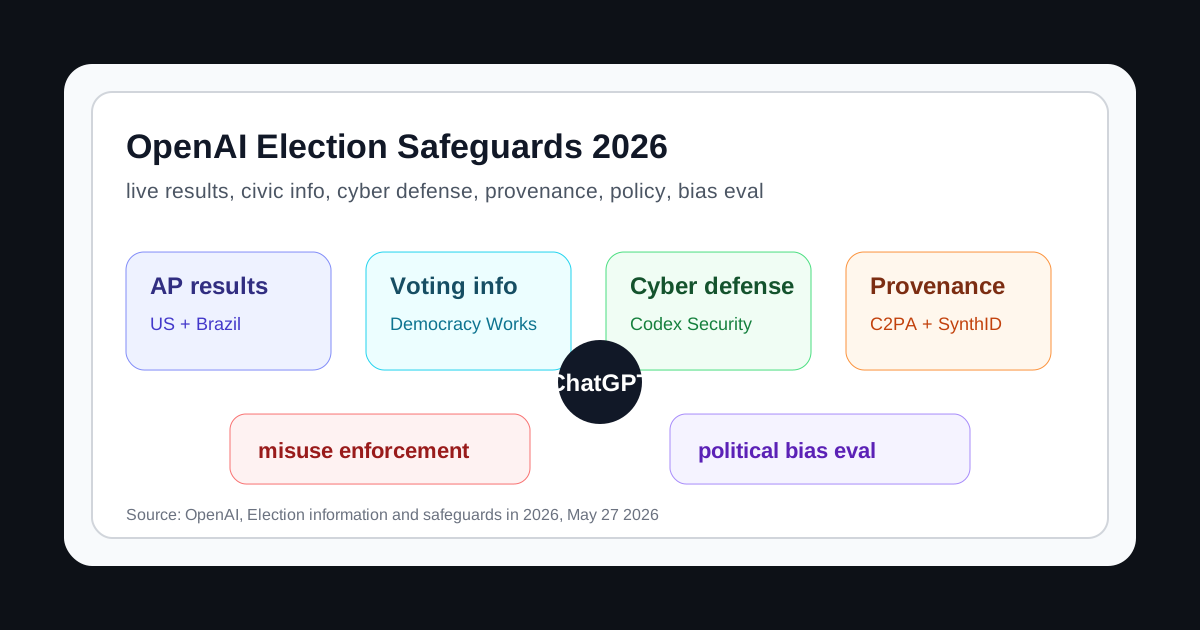
OpenAI outlined its 2026 election safeguards, combining AP vote counts, voting information, Codex Security, SynthID, usage policy, and political bias evaluations.

TELUS Digital tested 34 AI models with more than 620,000 adversarial attacks. The benchmark shows why enterprise AI safety is now an operating discipline.
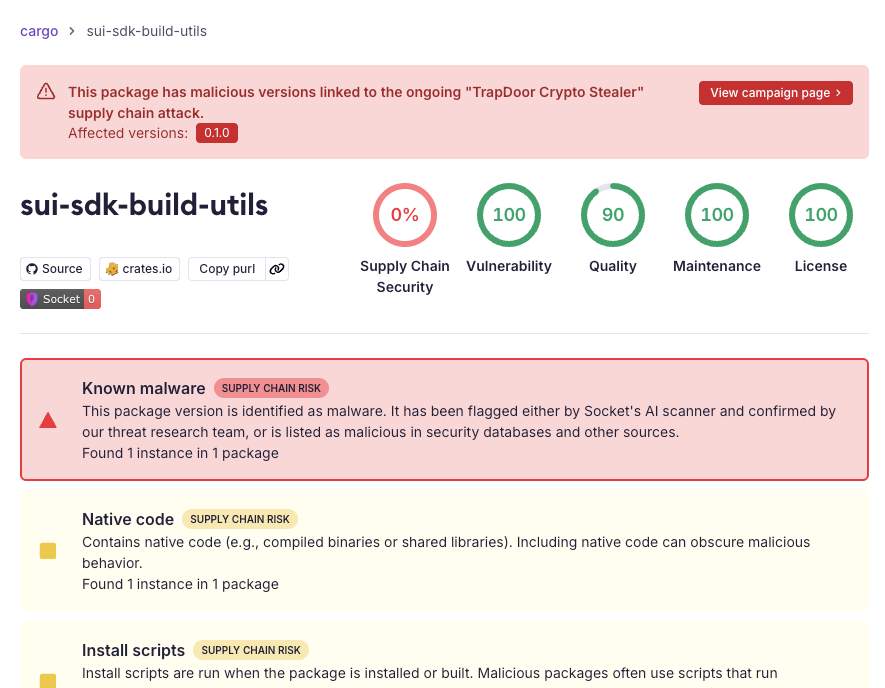
TrapDoor combines malicious npm, PyPI, and Crates.io packages with poisoned AI coding instruction files.
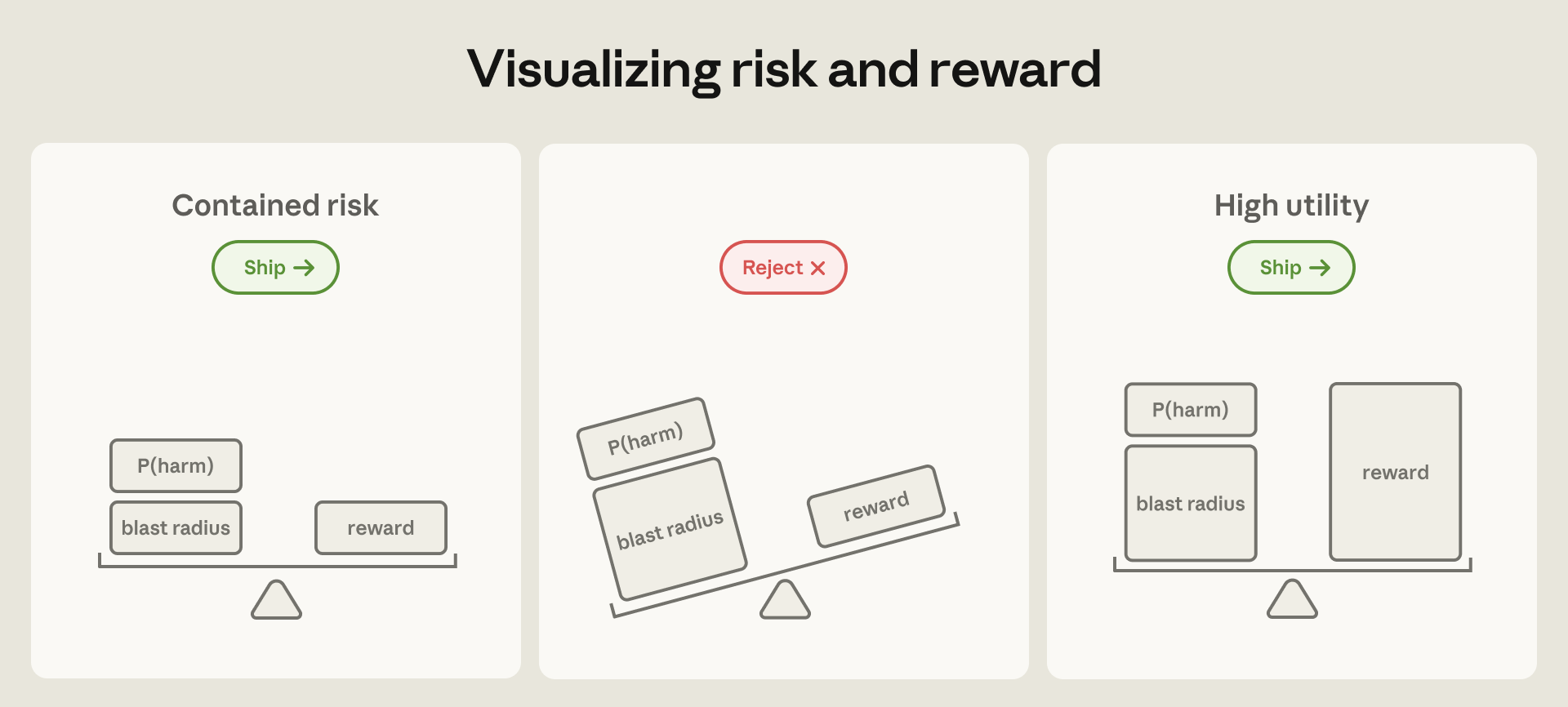
Anthropic’s Claude containment writeup shows agent security shifting from prompt defenses and approval dialogs toward runtime isolation and blast-radius control.

OpenAI’s unit-distance counterexample shows that AI research automation depends less on answer generation than on proofs experts can inspect.
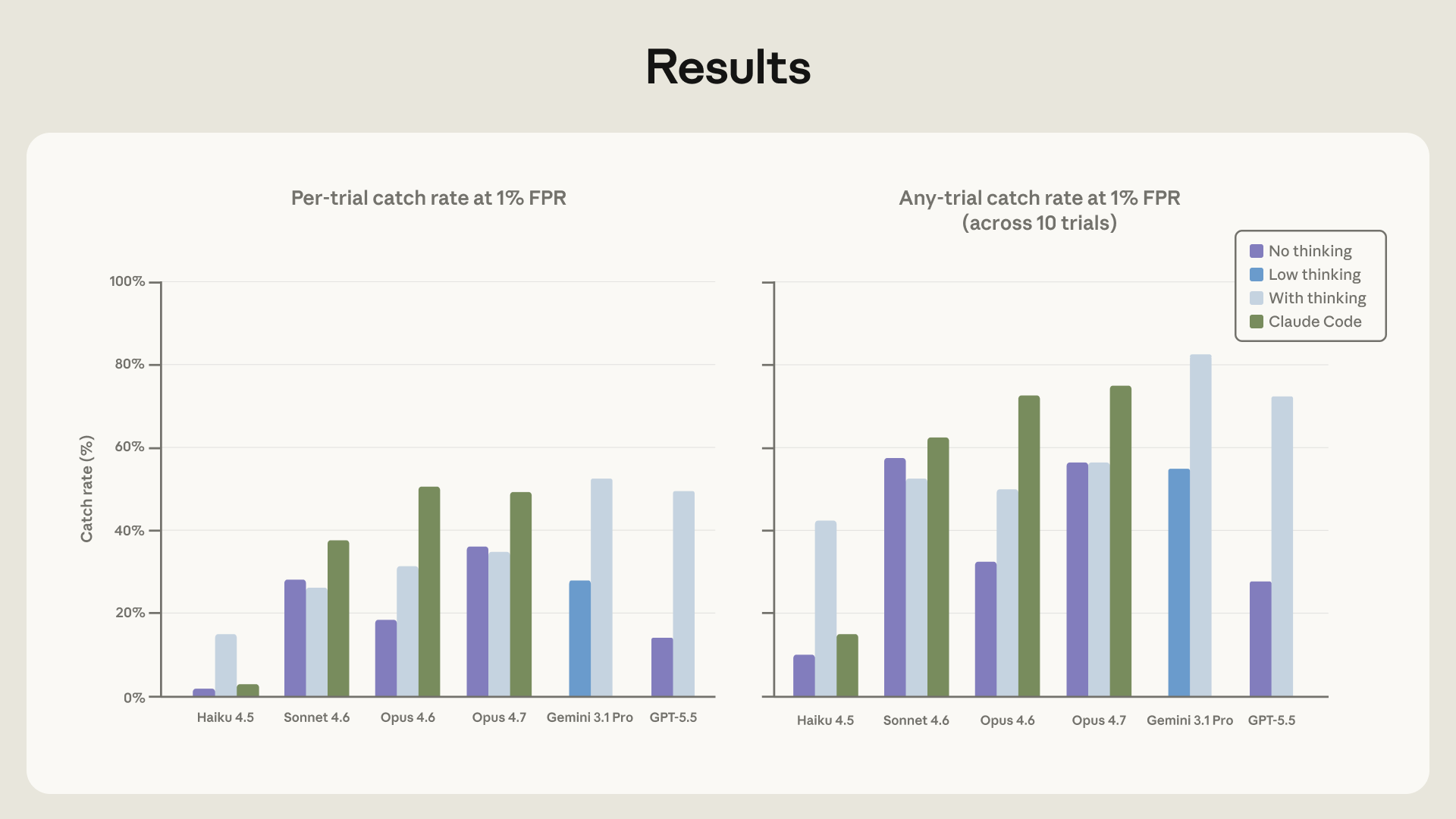
SLEIGHT-Bench uses 40 synthetic attacks to show how easily LLM monitors can miss risky behavior by coding agents.
Cohere Command A+ lowers the bar for private AI agents with Apache 2.0 open weights and a two-H100 deployment target.
Anthropic Project Glasswing shows that AI vulnerability discovery is no longer the slowest step. Verification, disclosure, and patch rollout are now the constraint.
OpenAI and Google are turning C2PA, SynthID, and verification tools from image-generator features into web-scale trust infrastructure.

Anthropic is widening the moral formation conversation around Claude while testing an ethical reminder tool inside the model runtime loop.

Anthropic expanded Claude Compliance API integrations into the enterprise security stack. AI chats, files, and activity logs are becoming audit pipeline inputs.