AI Coding
Sierra localized Agent Studio in four months with AI coding agents
Sierra published a concrete Agent Studio localization case study covering 900+ frontend files, batch scripts, lint loops, and context-window failures.
Sierra published a concrete Agent Studio localization case study covering 900+ frontend files, batch scripts, lint loops, and context-window failures.
OpenAI published an internal Codex usage report. The practical signal is task queues, AGENTS.md, repo questions, migrations, tests, and incident triage.
GitHub Copilot usage metrics now classify users by code-first, agent-first, and multi-agent usage over a 28-day window.

Kog KIE tech preview claims 3,000 tokens/s on 8x MI300X. The useful question is what 2B-model, batch-1 latency means for coding agents.

Google Antigravity teamwork-preview used 93 subagents, 15,314 model calls, and 2.6B+ tokens to build an OS demo. The useful signal is the cost model.

Harness 2026 survey data links heavy AI coding use with faster deployment, more delivery pressure, and downstream security, rollback, and burnout signals.

Fujitsu announced OpenAI and Anthropic collaborations on the same day, pointing to a multi-model SI strategy built around Claude, Codex, FDE, and enterprise controls.

GitHub Copilot made Claude Opus 4.8 generally available with a 15x premium request multiplier before AI Credits arrive on June 1. Teams should review budgets and model policy before defaulting to it.

CodeRabbit says a Claude-based planning gate cut AI PR bugs by 20% and shortened review cycles by 30%, shifting agent quality control before code execution.

Microsoft 365 Copilot’s new design turns the prompt box into a Work IQ-driven workspace for context, latency, and in-app agent execution.
CodeGraph v0.9.7 tries to cut the repository-reading cost of Claude Code, Codex, Cursor, and other coding agents with a local code graph.
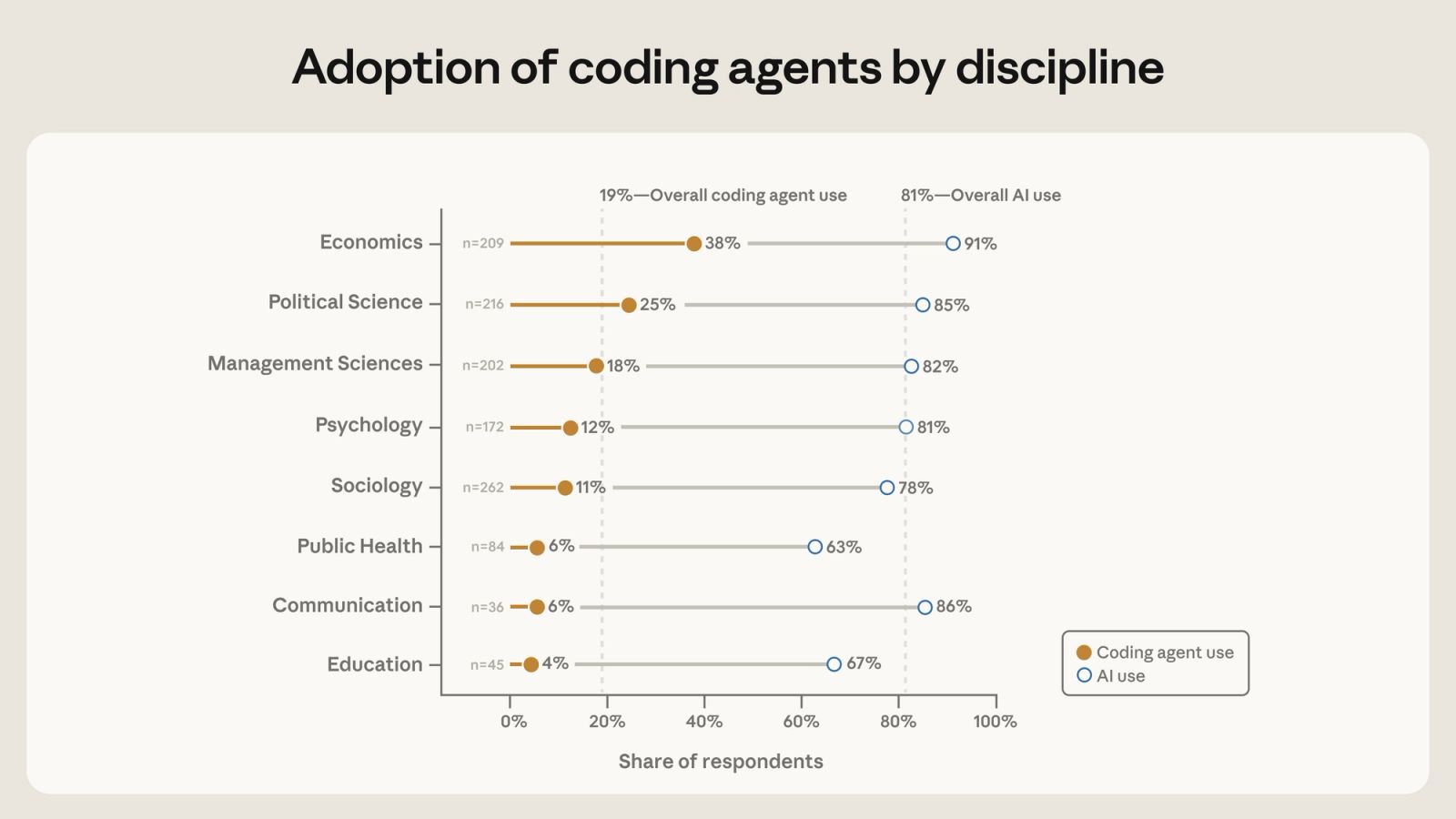
Anthropic surveyed 1,260 quantitative social scientists: 81% have used AI for research, but only 20% regularly use coding agents.