Claude Code Monitor turns coding agents into live log readers
Anthropic added Monitor to Claude Code v2.1.98, letting Claude watch background command output and react to logs, CI status, and file changes while a coding session continues.
- What happened: Anthropic added a
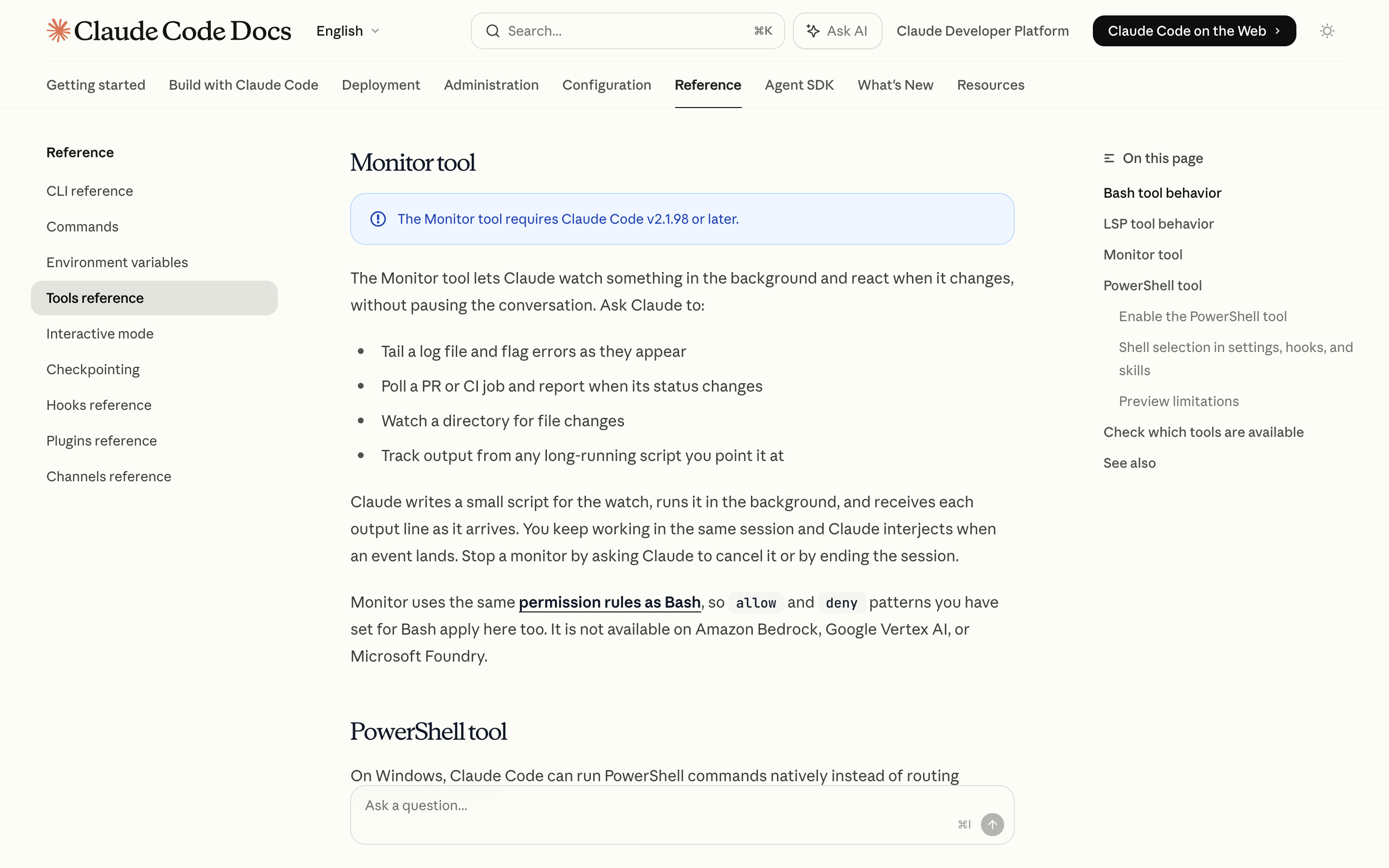
Monitortool in Claude Code v2.1.98.- Monitor runs a background command and feeds each stdout line back to Claude during the same conversation.
- Developer impact: logs, CI polling, directory watchers, and long-running scripts can become live context for the coding agent.
- The practical loop becomes shorter: error detection, analysis, and code repair can happen without a separate copy-paste step.
- Constraint: useful output lines can become token input, so noisy logs can become expensive.
- Watch: Monitor points toward always-on background agents, but Claude Code quality concerns still shape adoption.
Anthropic shipped Claude Code v2.1.98 on April 9 with a new built-in tool called Monitor. The tool runs a background command, streams each line of stdout back to Claude, and lets Claude react while the user continues the same coding session. In practice, a development server, CI poller, file watcher, or log tail can become live input to the agent instead of something the developer has to copy into chat after a failure.
That changes the role of a coding agent. Most AI coding tools still wait for a prompt, an assigned issue, or a finished background task. Monitor gives Claude Code a continuous feed from the running system. If an API endpoint starts returning 500s while the developer is editing another file, Claude can notice the log line and offer to inspect the cause before the user asks.
Background work becomes live context
Monitor did not arrive in isolation. Claude Code had already been expanding its background execution model through earlier 2.x releases. Version 2.0.60 introduced background subagents, version 2.0.64 let asynchronous background agents wake the main agent by sending messages, and Ctrl+B made it possible to move Bash commands and agents into the background from the same workflow.
The unpublished architecture discussed in Claude Code community analysis is often described as KAIROS: an always-on background agent system with a tick loop, a SleepTool-style pause mechanism, and tight blocking budgets. The Korean source article treats Monitor as a likely building block for that direction. Its immediate role is narrower: it turns background execution from "run this and report when it ends" into "stream the process as events arrive."
Background subagent support arrives in Claude Code.
A background agent can message and wake the main agent.
Bash commands and agent work can move into the background from one shortcut.
Stdout lines from a background command stream back to Claude as live events.
An always-on project watcher that can continue beyond an open IDE session.
What Monitor can watch
Claude Code's tool reference defines Monitor as a background command runner that sends each output line back to Claude so the model can react to logs, file changes, or polled status mid-conversation. The mechanism is intentionally simple: Claude prepares or runs a watcher command, the process stays in the background, and each stdout line becomes new context for the active agent.
The obvious first use case is log tailing. A developer can keep a server running while Claude watches for error patterns. When a stack trace appears, Claude can point to the route, function, or test that likely produced it. The developer no longer has to switch terminals, select log text, and paste it back into the chat.
CI and PR status polling is another fit. Instead of asking the agent to check a workflow after a fixed delay, a polling command can emit state changes. Claude can react when a build moves from pending to failed, or when a test job exposes a new failing file.
Directory watching turns filesystem changes into agent events. A command can watch generated files, configuration changes, or build outputs and emit only the lines the agent should inspect. Long-running scripts, migrations, and test suites also become easier to supervise because Claude can see partial progress rather than only the final exit state.
# Commands a Monitor-style workflow can supervise
tail -f /var/log/app/error.log

# Or filter a development server stream before sending it to the agent
npm run dev 2>&1 | grep -i error
Monitor follows the same allow and deny permission patterns as Claude Code's Bash tool, and the user still has to approve the command. Stopping a monitor requires asking Claude to cancel it or ending the session. As of the source article's snapshot, the feature requires Claude Code v2.1.98 or later and is not supported on Amazon Bedrock, Google Vertex AI, or Microsoft Foundry; it works through Anthropic's direct API path.
The workflow impact is latency
The main developer benefit is not that Monitor replaces Datadog, Grafana, inotifywait, or CI dashboards. It removes a small but constant delay inside local development. Without Monitor, the loop is usually: error happens, developer notices, developer collects context, developer asks the AI to analyze it. With Monitor, the agent can already have the log line when the error happens.
That makes Claude Code more useful during work that mixes editing and observation: API endpoint development, flaky test diagnosis, background migration checks, or CI cleanup. The agent can propose the next diagnostic command based on fresh output, while the developer decides whether to let it patch the code.
It also makes background work more transparent. A long build can emit progress, memory warnings, or a specific compiler error before the whole job exits. That is where Monitor is different from a notification system. The output stream becomes a running conversation artifact rather than a final message.
How this differs from Cursor and Copilot
Background work is now common in AI coding products, but continuous event streaming is still less common. Cursor's Background Agents run work in cloud sandboxes and notify the user when a job completes. GitHub Copilot's Coding Agent works from GitHub issues, opens pull requests, and integrates with checks. Windsurf's Cascade remains closer to an assistant interaction model. The Korean original frames Claude Code Monitor as the first major coding-agent feature that streams process output into the active conversation line by line.
| Capability | Claude Code Monitor | Cursor Background Agent | GitHub Copilot Coding Agent | Windsurf Cascade |
|---|---|---|---|---|
| Background execution | Yes | Yes | Yes | No |
| Live event streaming | Yes | No | No | No |
| Mid-conversation intervention | Yes | No | No | No |
| Log and CI watching | Yes | Completion-oriented | PR-oriented | No |
| Directory watching | Yes | No | No | No |
| Cost model | Token-based | Subscription bundled | Subscription bundled | Subscription bundled |
| Cloud-provider support | Anthropic API only | Cloud sandbox | GitHub platform | Available in product |
Comparison reflects the source article's April 2026 snapshot; product behavior can change quickly in this category.
Cursor's model is still valuable for isolated implementation tasks. A cloud agent can work on a branch while the developer does something else. But "tell me when the task finishes" and "keep reading the runtime stream with me" are different interaction models.
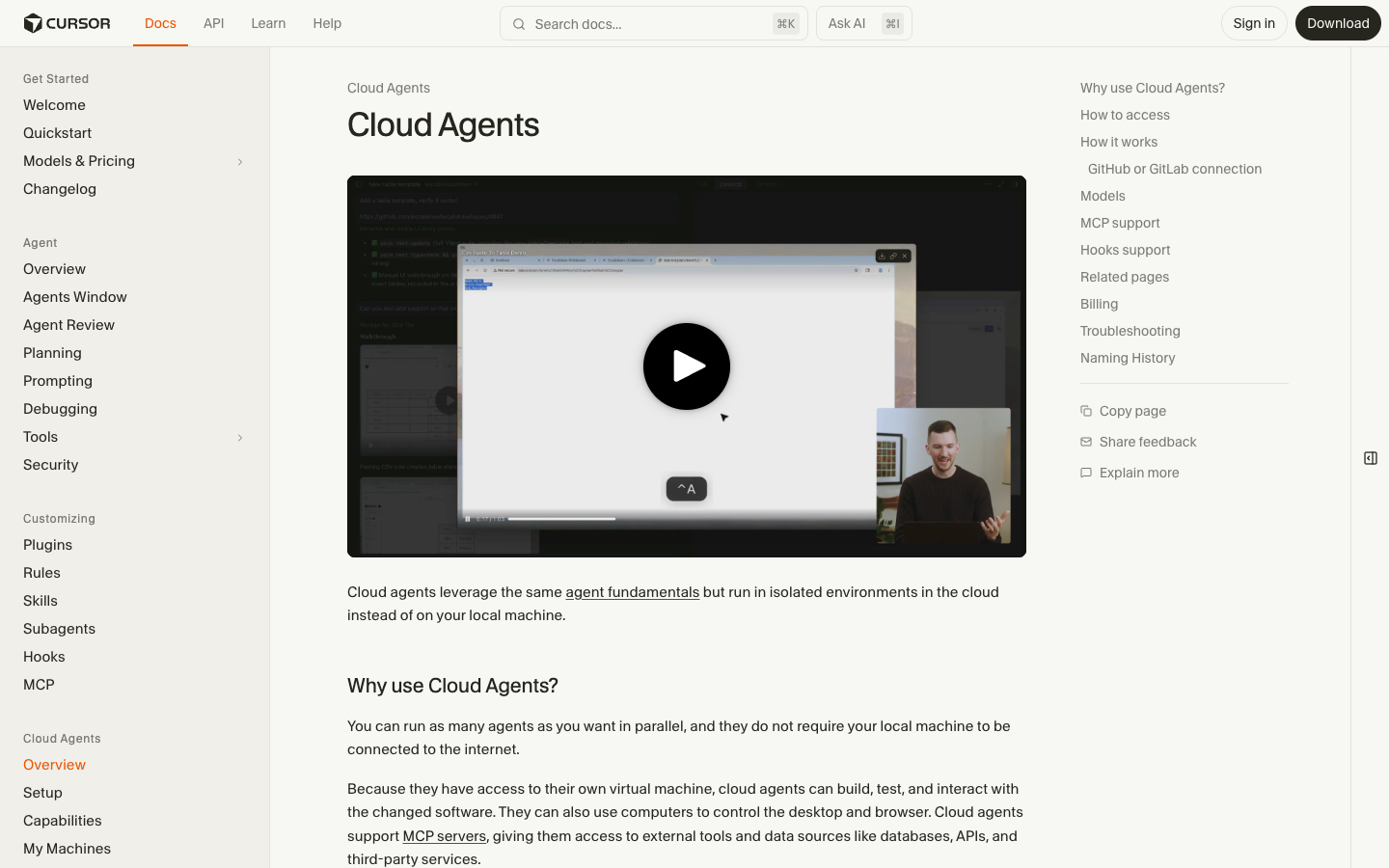
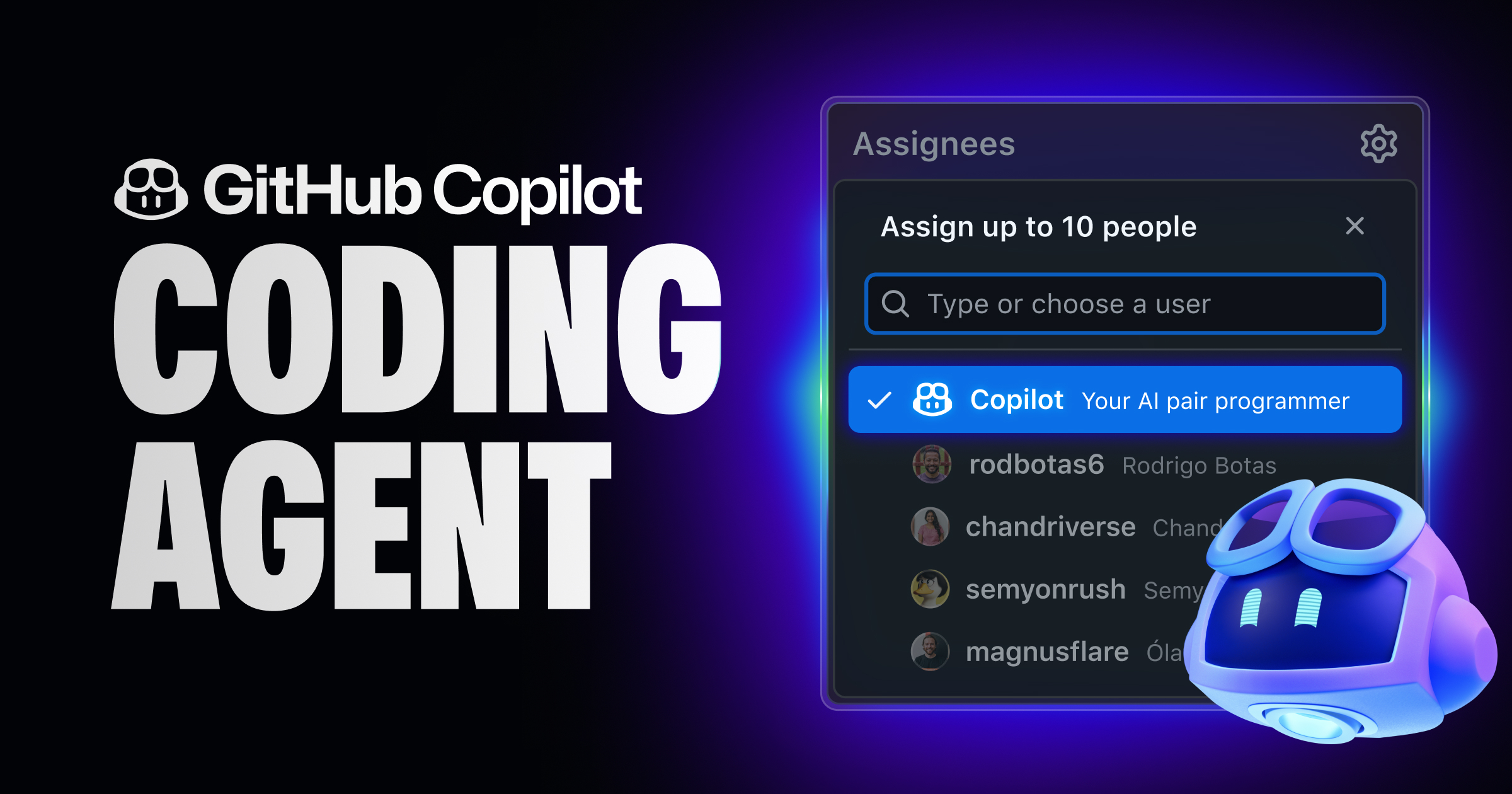
GitHub Copilot's Coding Agent is similarly issue and PR centered. It can work in GitHub's workflow and produce a pull request, but it is not designed to sit inside a local conversation and react to every emitted log line.
That is why the cost model matters. Monitor's advantage comes from sending process output into the model. Noisy logs can inflate token use, and a naive tail -f on a busy service may be the wrong command. Practical Monitor workflows will likely need filtering, sampling, or summarization at the shell layer before the output reaches Claude.
v2.1.98 also adds guardrails
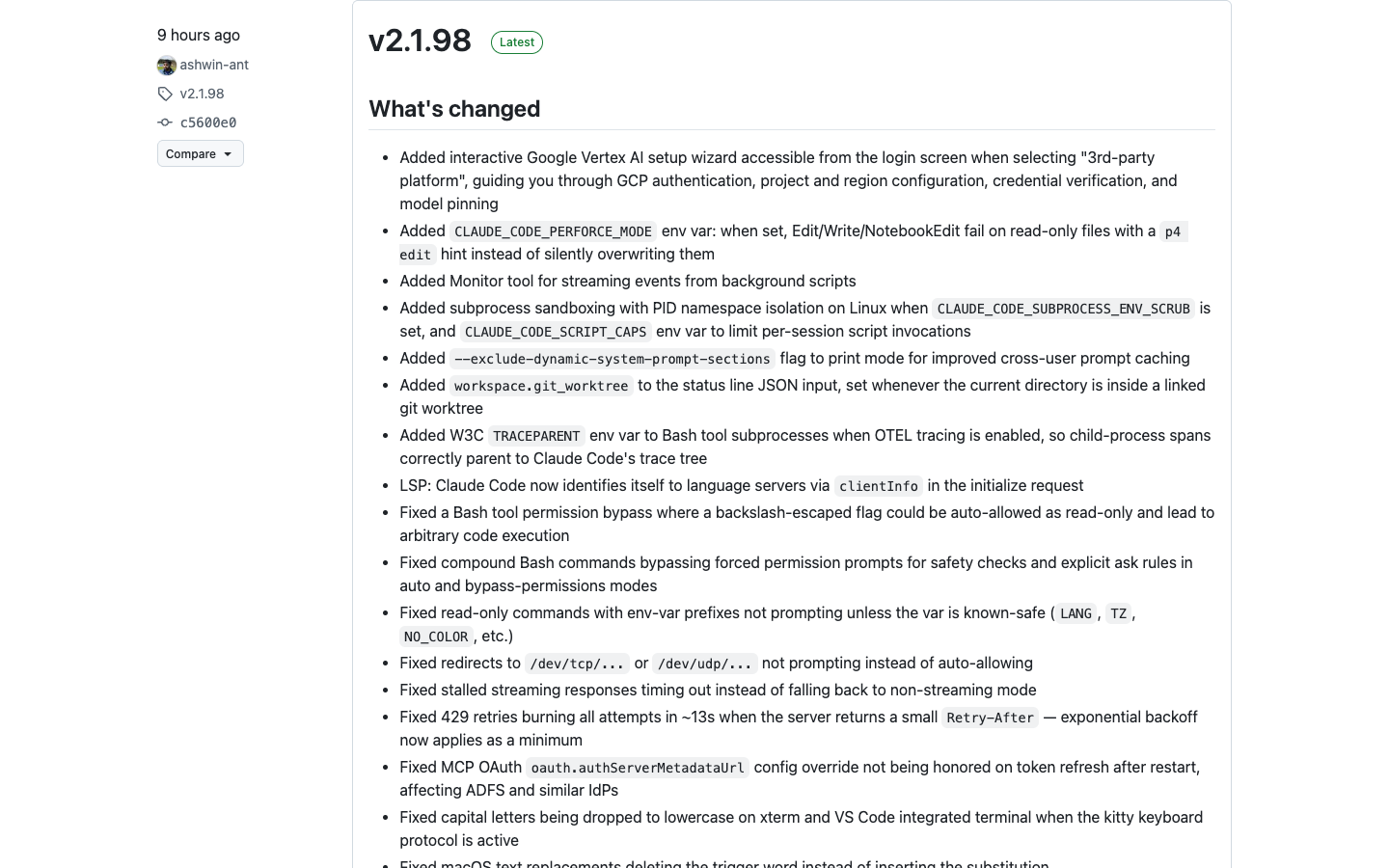
The rest of the v2.1.98 release helps explain Anthropic's posture. Monitor gives the agent more autonomy, but the release also adds controls around subprocesses, scripts, and observability.
On Linux, subprocess sandboxing through PID namespace isolation appears alongside the CLAUDE_CODE_SUBPROCESS_ENV_SCRUB setting. That matters because a feature that runs more background commands increases the need to isolate what those subprocesses can see and inherit.
The CLAUDE_CODE_SCRIPT_CAPS environment variable lets teams limit script executions per session. That is a direct safety valve for an agent that may otherwise keep launching or supervising scripts during a long debugging session.
The release also improves OTEL tracing with W3C TRACEPARENT support. For teams that already route traces and logs into an observability stack, that makes Claude Code's activity easier to connect to existing operational data.
The combined direction is visible: Anthropic is making Claude Code more autonomous while adding mechanisms that enterprise teams can inspect and constrain.
Community interest and the trust problem
Developer interest in monitoring around Claude Code existed before Monitor. Community projects already offered dashboards and usage trackers, including a SQLite and React-based Claude Code Agent Monitor, a terminal usage monitor, Claude HUD-style overlays, macOS multi-session dashboards, and VS Code integrations. Those projects point to a real user need: when agents run longer and touch more files, developers want visibility into what they are doing and how much they cost.
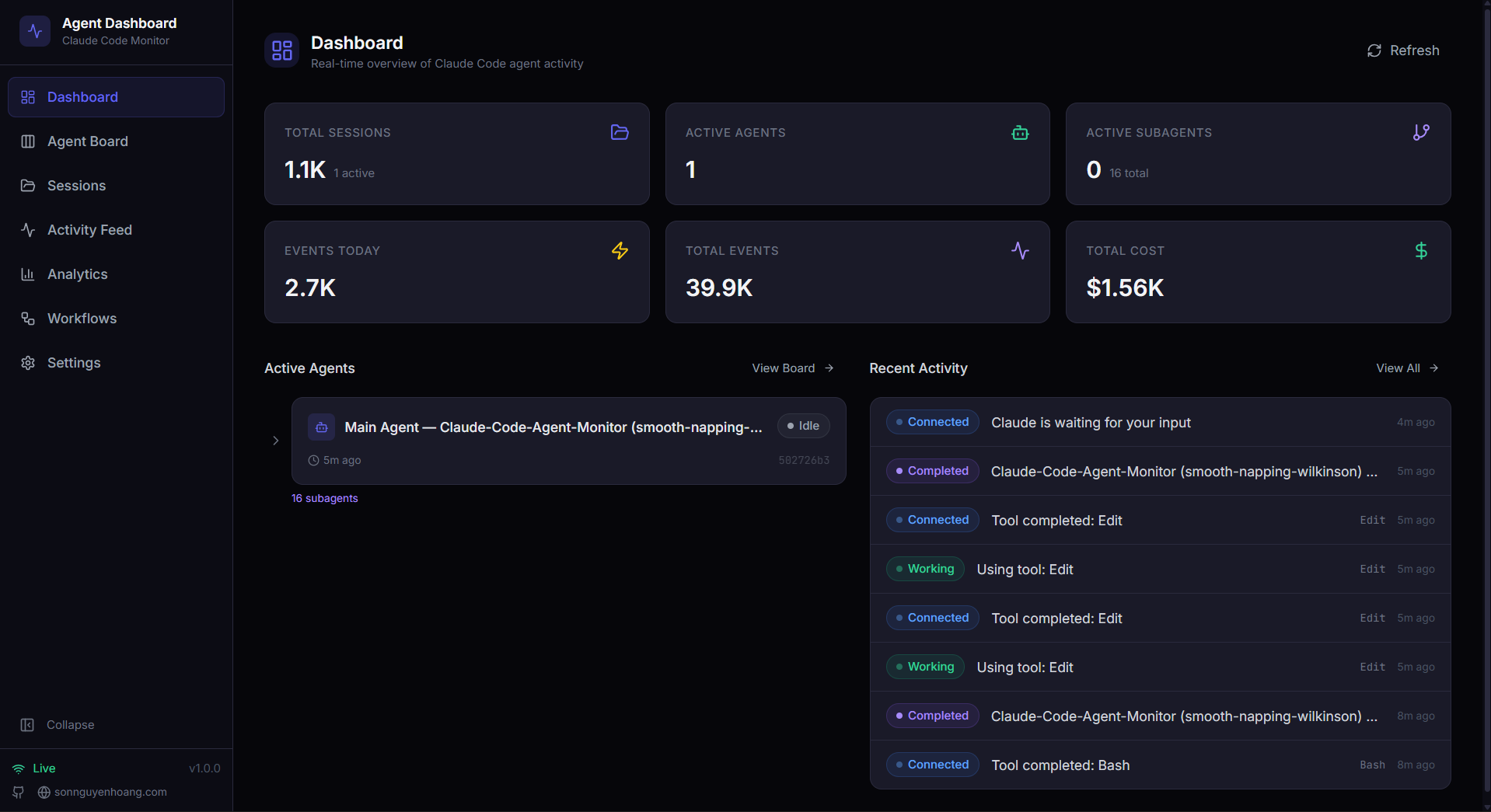
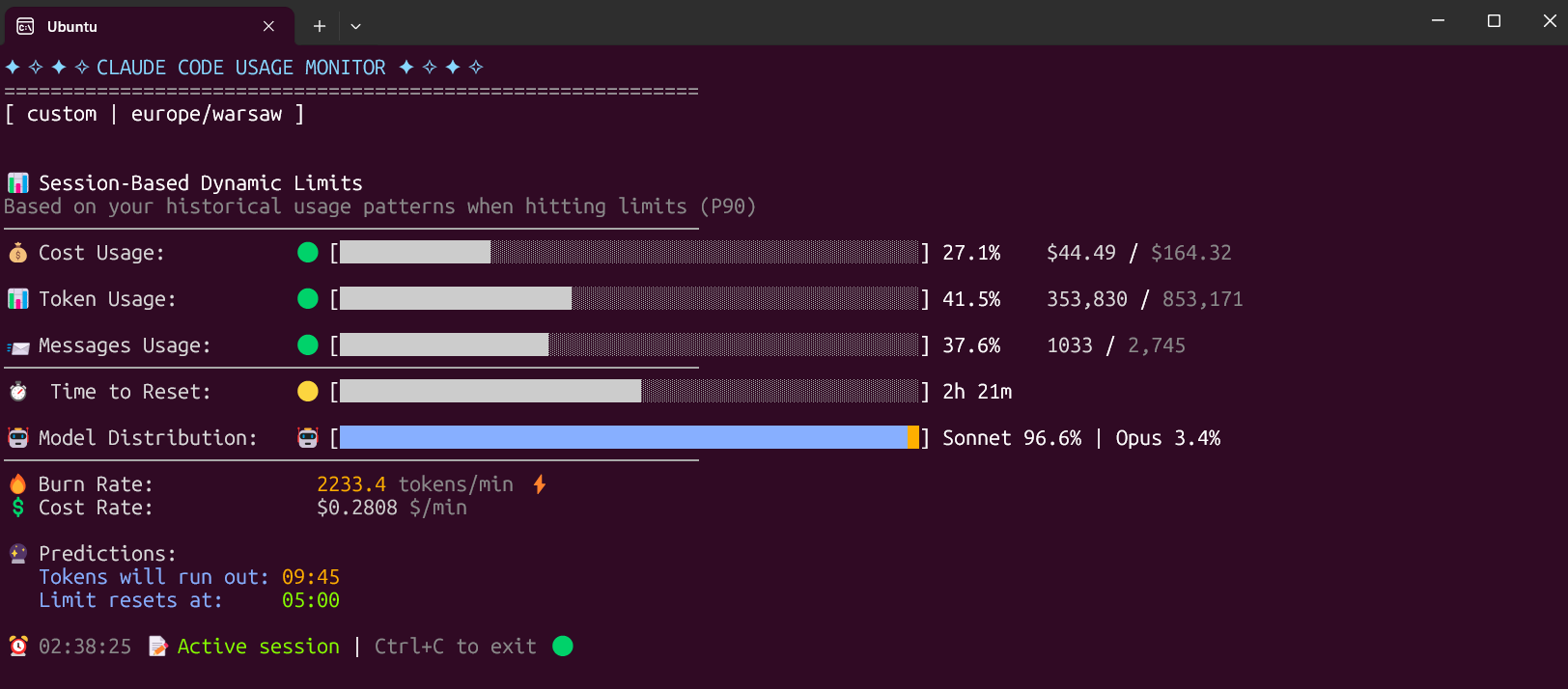
The harder adoption issue is trust in Claude Code itself. The Korean source cites an April analysis by AMD AI director Stella Laurenzo covering 6,852 Claude Code sessions and reporting a 67% drop in thinking depth. That claim became a high-engagement community controversy, and the discussion around Monitor sits inside that larger quality debate.
Stella Laurenzo analysis, April 2026
The source article cites an analysis of 6,852 Claude Code sessions that became a major community reference point in complaints about quality regression.
That does not invalidate Monitor as a mechanism. It does change how teams should roll it out. A proactive agent that watches logs is useful only if its interventions are concise, accurate, and easy to decline. If the agent adds noisy commentary on top of noisy logs, the feature becomes another interruption source.
What comes next
Monitor points toward agentic DevOps more than toward a standalone logging feature. The near-term loop is "detect an error, explain the likely cause, and ask whether to patch." The longer loop is "detect an error, reproduce it, prepare a fix, and open a pull request." Claude Code already has the code-editing side of that loop; Monitor supplies a way to notice runtime signals earlier.
If an always-on KAIROS-style background system becomes product reality, Monitor would be one of its core senses. A project watcher could keep reading test output, development logs, or production-like telemetry and then prepare an intervention when a threshold is crossed. That starts to blur the boundary between coding agents and tools such as PagerDuty or Datadog.
Token efficiency will decide whether that vision is practical. Teams will need patterns such as error-only filters, sampling windows, summary buffers, and explicit allowlists for watched commands. The simplest version of Monitor is powerful, but the production-grade version needs to avoid turning every line of output into paid model context.
Enterprise availability is the other unresolved piece. Bedrock, Vertex AI, and Foundry support would matter for companies that already consume Claude through cloud providers for data residency, billing, and procurement reasons. Until then, Monitor is easiest to test in direct Anthropic API setups and harder to standardize inside large organizations.
The product signal is still clear. Claude Code is moving from a reactive coding assistant toward a proactive project participant. Monitor gives the agent a live view of the system it is changing. The open question is whether Anthropic can combine that visibility with disciplined cost control, enterprise deployment paths, and enough model quality for developers to let the agent speak before being asked.